MEDINDIA
 English
 हिन्दी
 Español
 français
 中文
中文
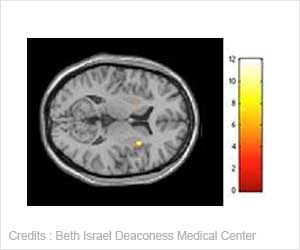
Specific region of the brain which monitors food preferences may steer your food choices, according to a new study.


Food Choices During Traveling
Diet management while traveling is very important to keep from becoming sick. Here are some tips to healthy travel diet.
Diet management while traveling is very important to keep from becoming sick. Here are some tips to healthy travel diet.
TOP INSIGHT

Neural activity when tasting the sucrose gradually increased over time while the neural activity when tasting the water decreased, which gave us evidence that the brain signal is closely related to the change in food preference.
"Your brain has to weigh different probable outcomes or options to make good decisions that are required for survival," stated Patricia Janak, senior author and Bloomberg Distinguished Professor of Psychological and Brain Sciences and Neuroscience at Johns Hopkins. "We knew the ventral pallidum is involved in that process. Exactly how the neurons there perform, that was still a bit of a mystery, particularly in real-time when the best decision for you to make right now can change based on your state."
David Ottenheimer, lead author and a former Johns Hopkins doctoral student who is now at the University of Washington, stated he devised the research to discover how the neurons in the ventral pallidum related to the food decisions subjects made choice shifted due to changes in physiological state.

Brain Studies Reveal Child�s Food Choice Influenced by Food Advertisements
Brain imaging studies show that certain regions of the brain are more active when a child watches food advertisements than when watching other advertisements.
Brain imaging studies show that certain regions of the brain are more active when a child watches food advertisements than when watching other advertisements.
"At the start, they picked the water when they were thirsty," Ottenheimer stated. "At the end of the test, when they were no longer thirsty, they picked the sugar water, which tastes sweeter."

Inadequate Sleep can Cause Poor Dietary Choices
Recently scientists have discovered that sleep deprived teens are more prone to make fast food choices as compared to the well-rested ones.
Recently scientists have discovered that sleep deprived teens are more prone to make fast food choices as compared to the well-rested ones.
"We saw that the neural activity when tasting the sucrose gradually increased over time while the neural activity when tasting the water decreased, which gave us proof that the brain signal is closely related to the change in choice as the subjects became less thirsty and were less interested in the water," Ottenheimer stated.

Turn This Diwali into a Lighter Sweeter Celebration
Diwali is just round the corner! Its tough to stay health-conscious but still we are giving you a few easy tips to manage your calories and remain in shape.
Diwali is just round the corner! Its tough to stay health-conscious but still we are giving you a few easy tips to manage your calories and remain in shape.
"We hypothesize that the ventral pallidum neurons that are tracing our choices may actually be involved in developing the choices we make when faced with food decisions," Ottenheimer said. "In the future, ventral pallidum may be a good therapeutic target to modify our decision-making processes."
"These same circuits are accountable for decisions made in addiction," Janak stated. "So the data we gain here can help in understanding how we prioritize drugs over other rewards"
Source-Medindia
 Email
Email