MEDINDIA
 English
 हिन्दी
 Español
 français
 中文
中文
About three out of four people who have a stroke for the first time have high blood pressure and atrial fibrillation is present in about one out of five strokes.
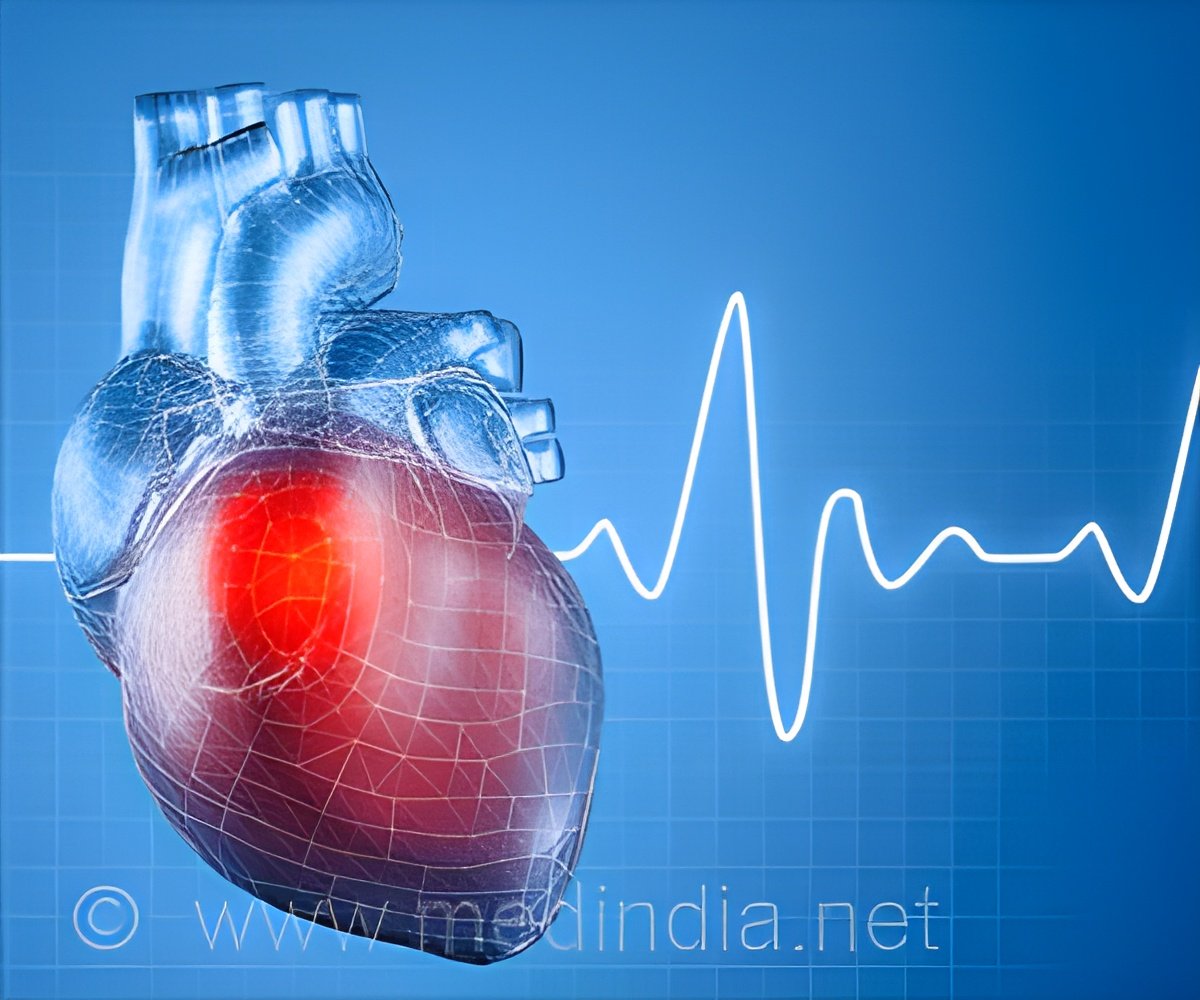
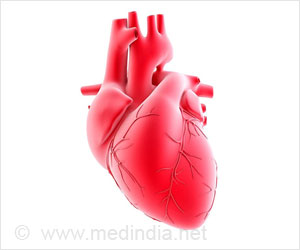
Catheter Ablation: A Better Treatment For Atrial Fibrillation
Catheter ablation procedure in treating patients with atrial fibrillation (AF) was found to be better than the conventional drug therapies.
Catheter ablation procedure in treating patients with atrial fibrillation (AF) was found to be better than the conventional drug therapies.
TOP INSIGHT

Many medications used to treat atrial fibrillation (AF) also reduce blood pressure (BP). The relation between BP and mortality is unclear in patients with AF.
"Interventions aimed at reducing blood pressure variability over the long term, such as optimizing the medications and improving adherence are strongly needed," he added.
The study was a post-hoc analysis of the Atrial Fibrillation Follow-up Investigation of Rhythm Management (AFFIRM) trial, a prospective randomized comparison of two treatment strategies in patients with AF.
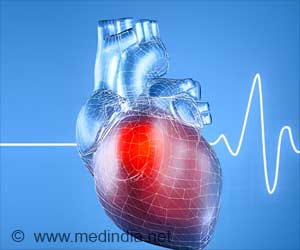
Incidence of Undiagnosed Atrial Fibrillation in High-risk Patients
Atrial fibrillation affects millions of people worldwide. In high-risk patients, the detection rate of atrial fibrillation lasting six or more minutes at 18 months was 29%.
Atrial fibrillation affects millions of people worldwide. In high-risk patients, the detection rate of atrial fibrillation lasting six or more minutes at 18 months was 29%.
The patients were categorised into four quartiles based on their mean standard deviation in SBP: those who SBP varied by less than 10.09 mmHg from visit to visit (1st quartile); and then those with variations of10.09-13.85 mmHg (2nd), 13.86-17.33 mmHg (3rd) and ?17.34 mmHg (4th).
Exploring Mathematical Methods to Measure the Effectiveness of Treating Atrial Fibrillation
A complex mathematical method to measure electrical communications within the heart that can successfully predict the effectiveness of catheter ablation.
A complex mathematical method to measure electrical communications within the heart that can successfully predict the effectiveness of catheter ablation.
Specifically stroke rate progressively increased from 2.5% to 3.0% to 3.8% and 6.2% from the first to the fourth quartile (p<0.001) and similarly, the major bleeding rate was directly related to SBP-VVV quartiles (10.8%, 11.2%, 15.6%, 20.8% respectively; p<0.001).
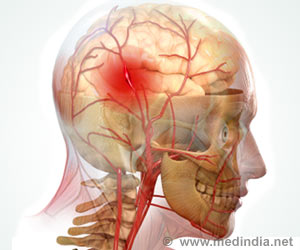
High Rates of Stroke History in Asymptomatic Atrial Fibrillation Patients
Screening is needed to identify atrial fibrillation patients with no symptoms so that stroke prevention treatment can be given.
Screening is needed to identify atrial fibrillation patients with no symptoms so that stroke prevention treatment can be given.
Dr. Proietti said these outcomes will likely translate to higher mortality in patients in the higher quartiles.
"A better effort in controlling blood pressure in the clinical follow-up is pivotal to obtain a better management of patients with atrial fibrillation and improvement of outcomes", he reiterated.
Source-Eurekalert
 Email
Email