MEDINDIA
 English
 हिन्दी
 Español
 français
 中文
中文
Screening is needed to identify atrial fibrillation patients with no symptoms so that stroke prevention treatment can be given.
Atrial Fibrillation - Causes, Symptoms, Diagnosis, Treatment, Complication, Risks
Atrial fibrillation may not be life-threatening in itself but it is important to understand the causes, symptoms and treatments because of the risk of life-threatening complications.
Atrial fibrillation may not be life-threatening in itself but it is important to understand the causes, symptoms and treatments because of the risk of life-threatening complications.
TOP INSIGHT

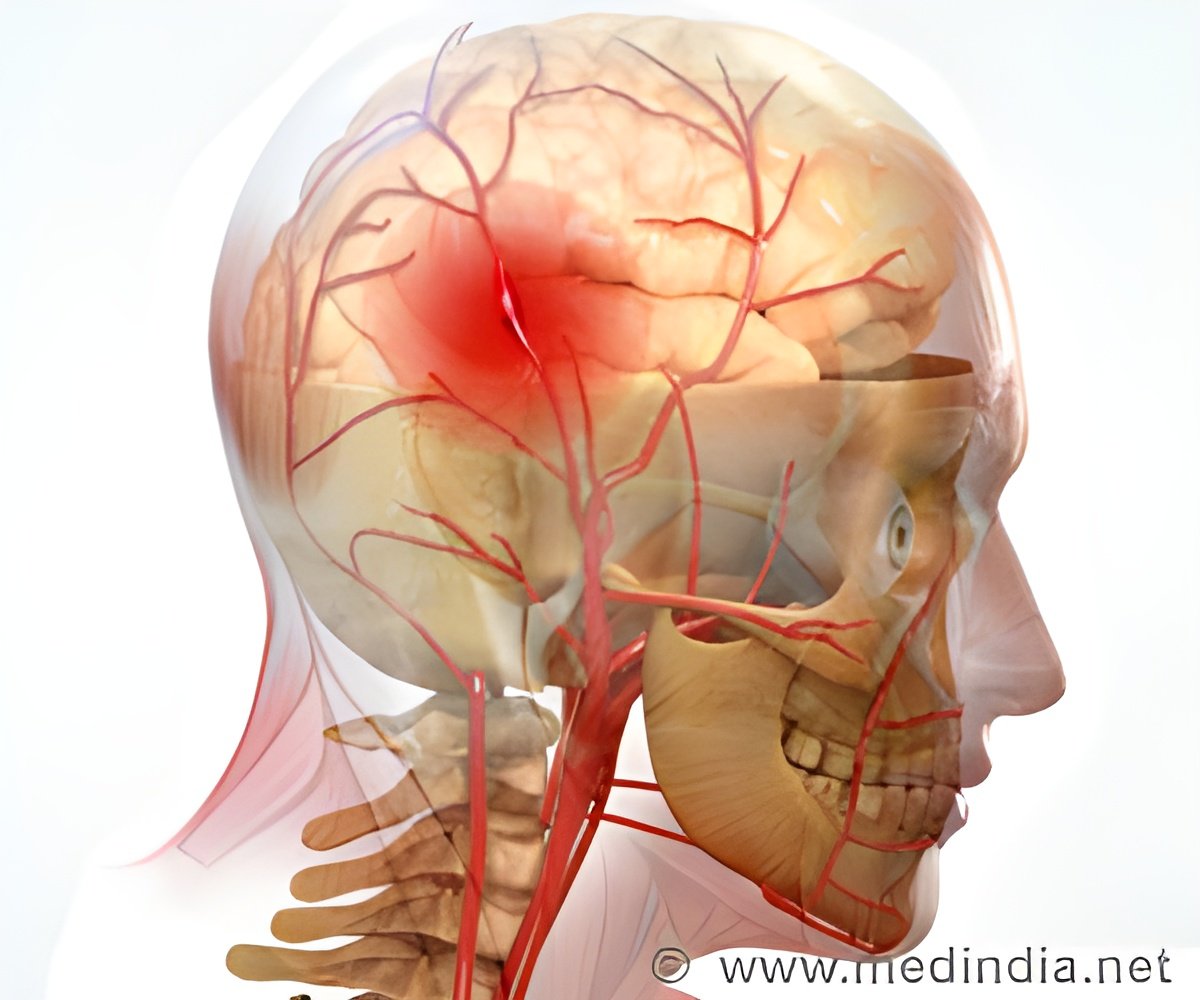
People with non-valvular atrial fibrillation with few or no symptoms are more likely to have had a stroke before diagnosis than symptomatic atrial fibrillation patients.
"Appropriate anticoagulant therapy substantially reduces the risk of stroke, but in many cases non-valvular atrial fibrillation is only diagnosed after a patient has had a stroke," he continued. "When patients are unaware of their atrial fibrillation they remain untreated and unprotected from a stroke."
GLORIA-AF (Global Registry on Long-Term Oral Antithrombotic Treatment in Patients with Atrial Fibrillation) is a large, multinational, prospective registry program involving patients with newly diagnosed non-valvular atrial fibrillation. This sub-analysis compared characteristics between symptomatic and asymptomatic patients in Western Europe.
In United States Costs Soar For Atrial Fibrillation Hospitalizations
Research reveals that U.S. hospitalizations and costs of care for atrial fibrillation nearly doubled from 1998 to 2010.
Research reveals that U.S. hospitalizations and costs of care for atrial fibrillation nearly doubled from 1998 to 2010.
A total of 4,119 patients (two-thirds) were asymptomatic/minimally symptomatic (hereafter referred to as 'asymptomatic') and one-third (1,892) were symptomatic at the time of diagnosis. A number of differences were observed between the two groups.

Delayed Use of Blood Thinners for Patients With Atrial Fibrillation Increases Dementia Risk
The risk of dementia in low-risk patients was 30% higher for those who received delayed treatment, and a significant 136% higher for high-risk patients.
The risk of dementia in low-risk patients was 30% higher for those who received delayed treatment, and a significant 136% higher for high-risk patients.
Dr Christow said, "The finding of a higher rate of the previous stroke in the asymptomatic patients despite no differences in the number of stroke risk factors may be explained by a longer but undiagnosed history of atrial fibrillation."
New Guidelines on Atrial Fibrillation Launched
Atrial fibrillation is associated with a 1.5-2 fold increased the risk of death. By 2030,14-17 million cases of atrial fibrillation will be reported in Europe.
Atrial fibrillation is associated with a 1.5-2 fold increased the risk of death. By 2030,14-17 million cases of atrial fibrillation will be reported in Europe.
Dr Christow concluded: "These results underline the urgent need for public programs to detect atrial fibrillation in the general population."
Source-Eurekalert
 Email
Email