MEDINDIA
 English
 हिन्दी
 Español
 français
 中文
中文
Bariatric surgery may be an effective treatment for non-alcoholic fatty liver disease (NAFLD), suggests a new study.

TOP INSIGHT

Gastric bypass could be the best surgical option for NAFLD patients in whom excess fat is stored in the liver.
Read More..
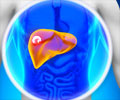
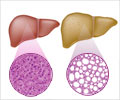
NAFLD is more common in people who have certain conditions, including obesity and conditions that may be related to obesity, such as type 2 diabetes. Researchers have found NAFLD in 40% to 80% of people who have type 2 diabetes and in 30% to 90% of people who are obese.
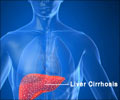
When the fat builds up in the liver and causes inflammation and damage, it is known as non-alcoholic steatohepatitis (NASH), which can lead to scarring of the liver--a potentially life-threatening condition called cirrhosis.

Bariatric Surgery - Short Term and Long Term Outcomes
The benefits of bariatric surgery outweigh its side-effects. With the surgery you can lose 45 to 60% of the original weight and this has benefits on blood sugar, sleep and heart disease.
The benefits of bariatric surgery outweigh its side-effects. With the surgery you can lose 45 to 60% of the original weight and this has benefits on blood sugar, sleep and heart disease.
The new study evaluated the effects of bariatric surgery on liver function and indicators of liver inflammation and scarring. The researchers included 1,995 morbidly obese patients who underwent bariatric surgery between January 2010 and July 2018.
FLI is an algorithm that predicts liver steatosis or fat deposition. It is based on waist circumference, body mass index and levels of triglyceride and an enzyme found in the liver called γ-glutamyltransferase.
Gastric sleeve was associated with a greater reduction of liver enzymes and both FLI and BARD compared with gastric band. However, gastric sleeve led to a smaller reduction of FLI and BARD compared with gastric bypass surgery.
Source-Eurekalert
 Email
Email