MEDINDIA
 English
 हिन्दी
 Español
 français
 中文
中文
Older patients should be reassured that surgery and anesthesia are unlikely to be implicated in causing persistent cognitive decline or incident dementia.


Opting Out Rule Does Not Increase Anesthesia Care Access
Overall, opt-out states experienced a lower growth in anesthesia cases compared with non-opt-out states, 'opt-out' alone is not the silver bullet to improving access.
Overall, opt-out states experienced a lower growth in anesthesia cases compared with non-opt-out states, 'opt-out' alone is not the silver bullet to improving access.
TOP INSIGHT

Postoperative cognitive dysfunction for a few weeks after surgery is one of these potential risks, but the effects of surgery have been unclear.
More than one in 10 people who have surgery are 65 or older and advanced age can affect the potential for surgical risks. Postoperative cognitive dysfunction for a few weeks after surgery is one of these potential risks, but the effects of surgery, anesthesia, pre-existing health conditions, and other factors have been unclear. Whether this short-term postoperative cognitive dysfunction leads to long-term memory loss and lessened ability to learn, concentrate and think is uncertain, but the current study suggests it is unlikely.
In the study, researchers examined the association between exposure to surgery and level of cognitive functioning in a sample of 4,299 middle-aged twins younger than 70 and 4,204 elderly twins who were aged 70 or older. Results from cognitive tests of twins who had either major, minor, hip and knee replacement or other surgery within 18 to 24 years before cognitive examination were compared to the cognitive results of a reference group, comprised of twins who had no surgical procedures. Test results were also compared in an intrapair analysis of twins, one of whom was exposed to surgery while the other was not, to assess genetic and shared environmental confounding.
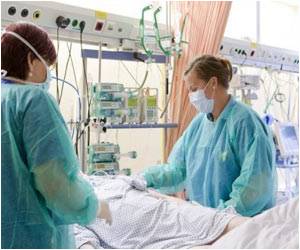
No Link Found Between Anesthesia and Mild Cognitive Impairment
There is no association between exposure to anesthesia for surgery and the development of mild cognitive impairment in the elderly patients.
There is no association between exposure to anesthesia for surgery and the development of mild cognitive impairment in the elderly patients.
The authors also analyzed data for patients who had undergone surgery from three months to two years before cognitive examination and found no effect of the short time interval between surgery and cognitive examination on cognitive function. The results suggest preoperative cognitive functioning and underlying diseases are more important for cognitive functioning in mid- and late life than surgery and anesthesia, the authors report.
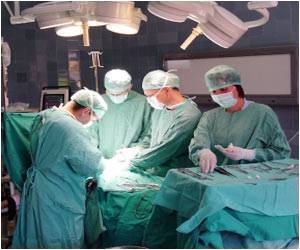
Mayo Clinic Study Claims There Is No Link Between Surgical Anesthesia and Mild Cognitive Impairment
Elderly patients can develop delirium after exposure to anesthesia for surgery. But, researchers have found no link between surgical anesthesia and the development of MCI.
Elderly patients can develop delirium after exposure to anesthesia for surgery. But, researchers have found no link between surgical anesthesia and the development of MCI.
An accompanying editorial commented favorably on the study: "On the basis of a growing body of evidence, of which the study by Dokkedal et al. is symbolic, older patients should be reassured that surgery and anesthesia are unlikely to be implicated in causing persistent cognitive decline or incident dementia," said editorial authors Michael S. Avidan, M.B., B.Ch. and Alex S. Evers, M.D., Washington University School of Medicine in St. Louis. "The large number of patients and the use of rigorous longitudinal cognitive testing in the study increased the reliability of the findings."

Babies Repeatedly Exposed To Anesthesia May Suffer From Altered Emotional Behavior
Children may develop anxiety, depression, and learning disabilities when given they are exposed to anesthesia multiple times at age 4 or younger.
Children may develop anxiety, depression, and learning disabilities when given they are exposed to anesthesia multiple times at age 4 or younger.
Source-Eurekalert
 Email
Email