MEDINDIA
 English
 हिन्दी
 Español
 français
 中文
中文
Having too little KMT2C is associated with decreased expression of genes, potentially leading to changes in gene expression related to autism.
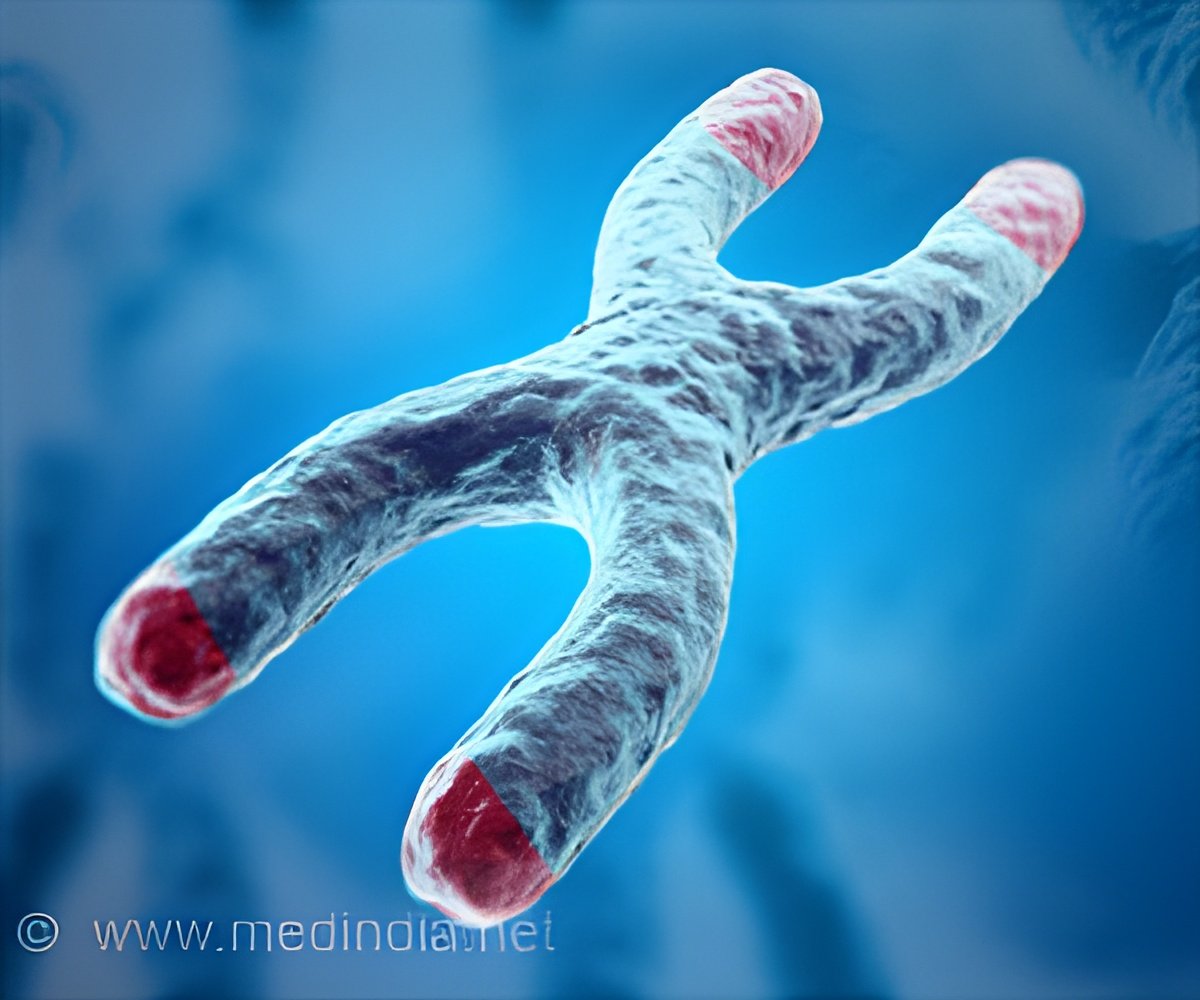
Transcriptomic dysregulation and autistic-like behaviors in Kmt2c haploinsufficient mice rescued by an LSD1 inhibitor
Go to source). Previous studies have shown that haploinsufficiency (a condition where, of the two copies of the gene, only one remains functional) of KMT2C is a risk factor for ASD and other neurodevelopmental disorders. However, the molecular mechanism through which the loss-of-function mutation in KMT2C leads to these conditions remains unclear.

Autism
Autism is a neurodevelopmental disorder typically characterized by impaired social and communication skills combined with repetitive movements.
Autism is a neurodevelopmental disorder typically characterized by impaired social and communication skills combined with repetitive movements.
TOP INSIGHT

KMT2C is linked to the genes showing decreased expression, indicating that having too little KMT2C may cause changes in gene expression related to #ASD. #autism
The research team included Professor Tadafumi Kato from the Department of Psychiatry and Behavioral Science at Juntendo University Graduate School of Medicine, Dr. Takumi Nakamura and Dr. Atsushi Takata from the RIKEN Center for Brain Science, and Professor Takashi Tsuboi from Graduate School of Arts and Sciences, The University of Tokyo.
Autism and Genetic Expression: New Insights
To get to the bottom of KMT2C’s role in ASD pathogenesis, the team developed and analyzed genetically engineered strain mice (Kmt2c+/fs) having a frameshift mutation that models the KMT2C haploinsufficiency. They then performed various behavioral analyses, in which they observed that the mutant mice exhibited lower sociality, inflexibility, auditory hypersensitivity, and cognitive impairments, which are all ASD-related symptoms.
L-Carnosine: Benefits, Uses, and Autism Hope
Explore L-Carnosine''s potential for autism recovery and more. Research hints at its benefits in addressing ASD symptoms.
Explore L-Carnosine''s potential for autism recovery and more. Research hints at its benefits in addressing ASD symptoms.
To gain mechanistic insights into their finding, the researchers carried out chromatin immunoprecipitation, a technique to determine the location on the DNA where the protein interacts with it.

Quiz on Autism
Introduction Autism spectrum disorder is a complex genetic disorder that impairs social, behavioral, and communication functions in humans. Autistic people may act, communicate, interact, and learn differently than most other people. ASD ...
Introduction Autism spectrum disorder is a complex genetic disorder that impairs social, behavioral, and communication functions in humans. Autistic people may act, communicate, interact, and learn differently than most other people. ASD ...
Finally, the researchers tested the effects of vafidemstat, a brain penetrant inhibitor of LSD1 (lysine-specific histone demethylase 1A), that could ameliorate histone methylation abnormalities. They found that vafidemstat improved the social deficits in the mutant mice and had an exceptional rescuing effect by changing the expression levels of the differentially expressed genes to their normal expression level. This finding showed that vafidemstat is a valid drug for mutant mice and can potentially help restore the normal transcriptomic state.

Unveiling the Critical Role of Early Intervention in Autism Care
Every April 2, World Autism Awareness Day is commemorated to raise awareness, reduce stigma, and show support for individuals living with the condition.
Every April 2, World Autism Awareness Day is commemorated to raise awareness, reduce stigma, and show support for individuals living with the condition.
Reference:
- Transcriptomic dysregulation and autistic-like behaviors in Kmt2c haploinsufficient mice rescued by an LSD1 inhibitor - (https://www.nature.com/articles/s41380-024-02479-8)
Source-Eurekalert
 Email
Email