MEDINDIA
 English
 हिन्दी
 Español
 français
 中文
中文
Certain interleukins and gut microbiome links suggest inflammation may drive alcohol craving and disease risks.
The effect of alcohol withdrawal therapy on gut microbiota in alcohol use disorder and its link to inflammation and craving
Go to source).

Alcoholism
Alcohol use disorder or alcoholism is an inability to control drinking. It can cause short term and long term physical, as well as psychological effects on the patient.
Alcohol use disorder or alcoholism is an inability to control drinking. It can cause short term and long term physical, as well as psychological effects on the patient.
TOP INSIGHT

Ever wonder why a night of heavy #drinking leaves you feeling so foggy? It's not just a #hangover. Harmful drinking disrupts your gut, triggering a chain reaction that inflames your #brain and drives unhealthy behaviors. The link between your gut and your mind is real. #BrainHealth #GutHealth #Alcohol
How Harmful Drinking Alters the Gut Microbiome and Fuels Unhealthy Behaviors
Researchers note that harmful drinking patterns disrupt the gut microbiome, leading to brain inflammation and contributing to unhealthy behaviors. These may include reduced sociability in individuals with AUD, along with heightened risks of depression and anxiety. Earlier studies have also suggested that specific gut bacteria may play an indirect role in driving alcohol cravings.In the latest research, published in Alcohol: Clinical & Experimental Research, scientists in Germany focused on butyrate—a short-chain fatty acid known for its anti-inflammatory properties. Butyrate not only helps regulate appetite but may also be linked to mechanisms that influence alcohol craving, highlighting its potential as a therapeutic target.
Researchers worked with 63 people with AUD undergoing withdrawal therapy over 10-14 days, analyzing their blood and stool. They used metagenomic (“shotgun sequencing”) and statistical analysis to explore associations between changes to the microbiome and alcohol craving.

Bubbles and Brews - Alcohol Facts
There is more to alcohol than mere intoxication. Infamous because of its social abuse but indispensable because of its many industrial applications.
There is more to alcohol than mere intoxication. Infamous because of its social abuse but indispensable because of its many industrial applications.
Gut Bacteria Shifts Linked to Immune Response and Butyrate Production
Changes in the abundance of several bacteria correlated with shifting levels of interleukins (ILs, proteins involved in the immune response, such as inflammation). The participants’ improved potential to synthesize butyrate likely led to higher butyrate levels, with the potential for more effective appetite regulation.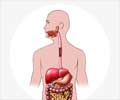
Know More About the Digestive System
Introduction: The digestive system comprises the gastrointestinal tract and other organs of digestion. It involves food and fluid that is taken in its breakdown into nutrients which the body then uses for its functioning, energy, growth, ...
Introduction: The digestive system comprises the gastrointestinal tract and other organs of digestion. It involves food and fluid that is taken in its breakdown into nutrients which the body then uses for its functioning, energy, growth, ...
The study helps illuminate connections between the gut and the brain that influence physical and mental health. The findings add to evidence that butyrate affects alcohol craving, possibly via its role in regulating appetite, and may be a potential therapeutic target.

Alcohol Self Screening Test
Take this anonymous self-test to evaluate your alcohol consumption and determine if your drinking pattern poses a risk for hazardous health conditions.
Take this anonymous self-test to evaluate your alcohol consumption and determine if your drinking pattern poses a risk for hazardous health conditions.
Reference:
- The effect of alcohol withdrawal therapy on gut microbiota in alcohol use disorder and its link to inflammation and craving - (https://onlinelibrary.wiley.com/doi/10.1111/acer.70128)
 Email
Email