MEDINDIA
 English
 हिन्दी
 Español
 français
 中文
中文
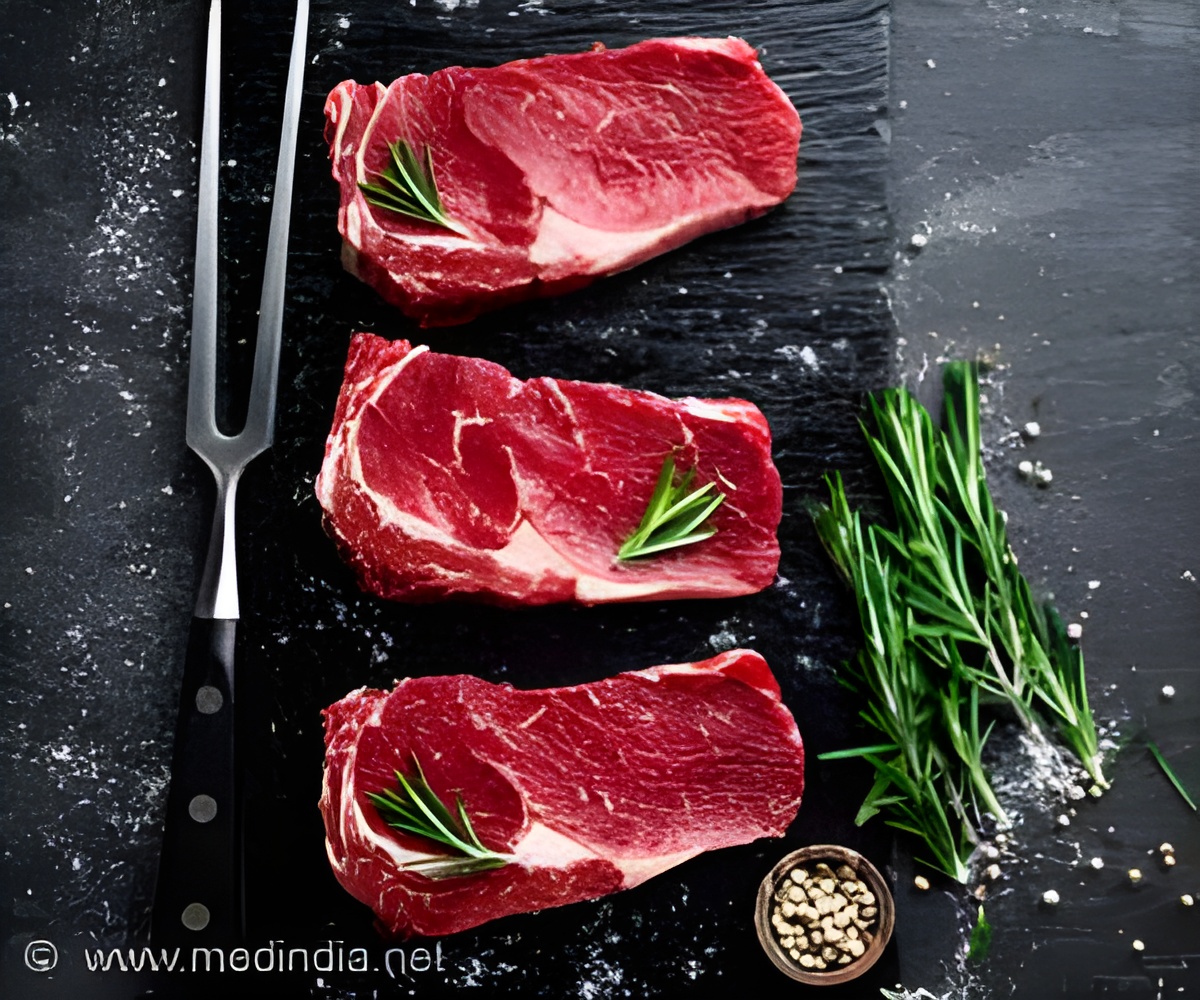
By-product of red meat metabolism, trimethylamine-N-Oxide (TMAO), that is produced in the gut after consumption of red meat, impairs artery function and increases the risk for heart attack and death.
Congenital Heart Disease – Septal Defects
Heart diseases that are present at birth are called “ Congenital heart diseases”.
Heart diseases that are present at birth are called “ Congenital heart diseases”.
TOP INSIGHT

People with higher levels of trimethylamine-N-Oxide (TMAO) are more than twice as likely to die from stroke or heart attack. Age- related decline can be reversed via dietary changes and targeted therapies like novel nutritional supplements.
Eat a slab of steak or a plate of scrambled eggs, and your resident gut bacteria get to work immediately to break it down. As they metabolize the amino acids L-carnitine and choline, they churn out a metabolic byproduct called trimethylamine, which the liver converts to trimethylamine-N-Oxide (TMAO) and sends coursing through your bloodstream.
Previous studies have shown that people with higher blood levels of TMAO are more than twice as likely to have a heart attack or stroke and tend to die earlier.
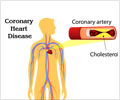
Coronary Heart Disease - Causes, Symptoms, Risk Factors, Diagnosis, Tretment
In coronary heart disease, blood is unable to flow through blocked arteries. The main symptom is chest pain or angina. Treatment is with medications or surgery.
In coronary heart disease, blood is unable to flow through blocked arteries. The main symptom is chest pain or angina. Treatment is with medications or surgery.
Drawing on animal and human experiments, Brunt and her team set out to answer three questions: Does TMAO somehow damage our vascular system? If so, how? And could it be one reason why cardiovascular health gets worse--even among people who exercise and don't smoke--as we get older?

Lifestyle Paths to Prevent Heart Disease
Heart disease can be of many types depending upon whether they involve the heart muscles or artery walls or heart beats. Bad lifestyle choices contribute to heart disease.
Heart disease can be of many types depending upon whether they involve the heart muscles or artery walls or heart beats. Bad lifestyle choices contribute to heart disease.
Adults with higher blood levels of TMAO had significantly worse artery function, the new study found, and showed greater signs of oxidative stress, or tissue damage, in the lining of their blood vessels.

'Red Flags' You Should Look Out For
Any deviation from normal health can cause symptoms, some of which are ominous and need immediate attention.
Any deviation from normal health can cause symptoms, some of which are ominous and need immediate attention.
"Just putting it in their diet made them look like old mice," said Brunt. She noted that 12-month-old mice (the equivalent of humans about 35 years old) looked more like 27-month-old mice (age 80 in people) after eating TMAO for several months.
Preliminary data also show that mice with higher levels of TMAO exhibit decreases in learning and memory, suggesting the compound could also play a role in age-related cognitive decline.
On the flip side, old mice that ate a compound called dimethyl butanol, (found in trace amounts in olive oil, vinegar and red wine) saw their vascular dysfunction reverse. Scientists believe that this compound prevents the production of TMAO.
Brunt notes that everyone--even a young vegan--produces some TMAO. But over time, eating a lot of animal products may take a toll.
"The more red meat you eat, the more you are feeding those bacteria that produce it," she said. Senior author Doug Seals, director of the Integrative Physiology of Aging Laboratory, said the study is an important breakthrough because it sheds light on why our arteries erode with age, even in the healthiest people.
"Aging is the single greatest risk factor for cardiovascular disease, primarily as a result of oxidative stress to our arteries," said Seals. "But what causes oxidative stress to develop in our arteries as we age? That has been the big unkown. This study identifies what could be a very important driver."
The research team is now further exploring compounds that might block production of TMAO to prevent age-related vascular decline.
For now, they said, a plant-based diet may also keep levels in check.
Source-Eurekalert
 Email
Email