MEDINDIA
 English
 हिन्दी
 Español
 français
 中文
中文
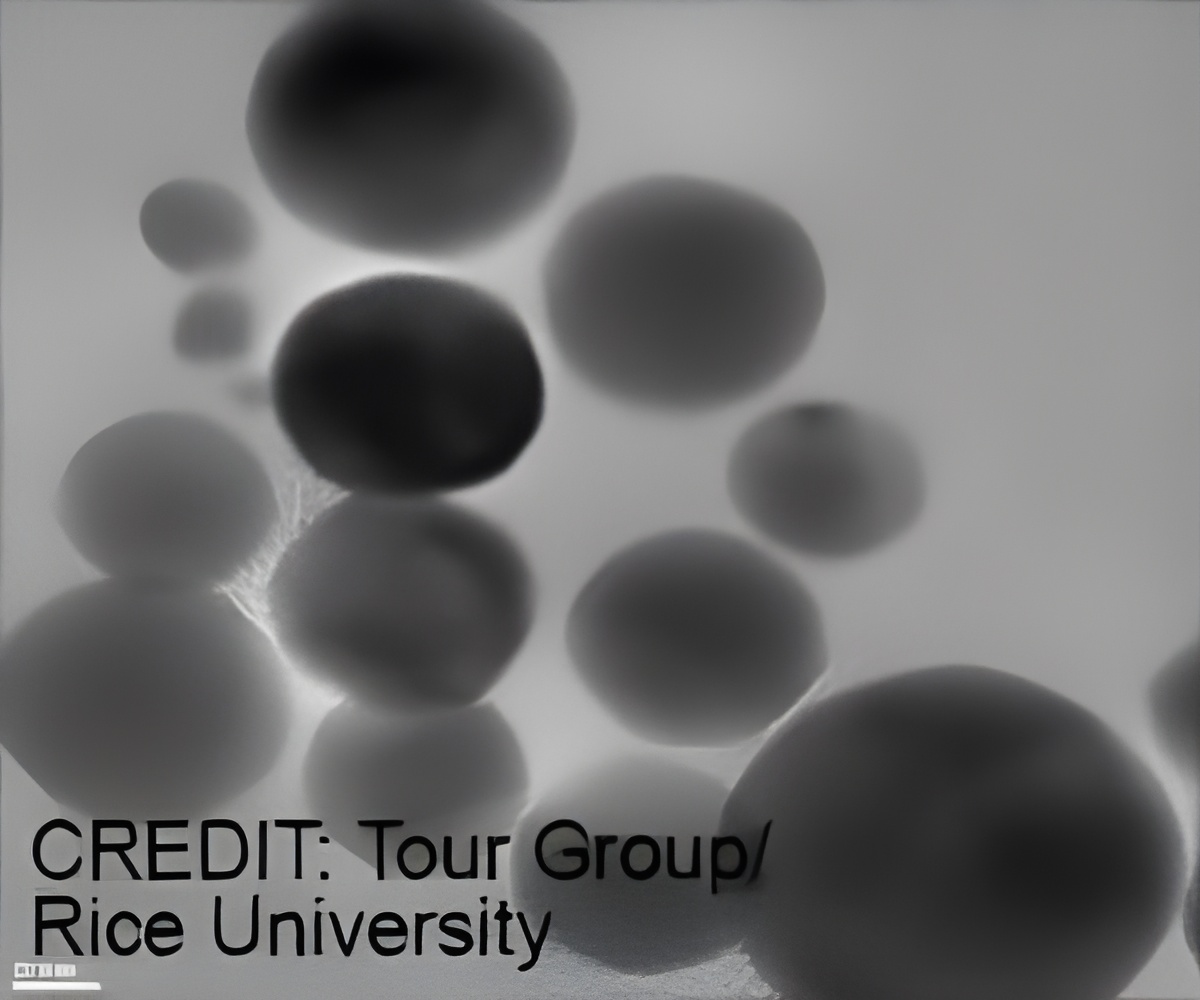
Nanozymes are made by treating medical-grade charcoal. They pass through membranes of cells' mitochondria to curtail damaging levels of superoxides, radical oxygen ions, that are generated in infections like COVID-19 during the cytokine storm, without killing the cells themselves.

Coronavirus
Coronaviruses infect animals, humans, and birds. Human coronaviruses, such as SARS, MERS, and 2019-nCoV cause respiratory distress and even death. The S protein is the infectious agent of the virus.
Coronaviruses infect animals, humans, and birds. Human coronaviruses, such as SARS, MERS, and 2019-nCoV cause respiratory distress and even death. The S protein is the infectious agent of the virus.
TOP INSIGHT

Nanozymes are oxidized charcoal nanoparticles. They are highly effective antioxidants that break down damaging reactive oxygen species (ROS) that are produced in abundance in response to an injury, stroke or infection.
Read More..
The researchers suggested the materials, described in the American Chemical Society journal ACS Applied Nano Materials, could aid treatment of COVID-19 patients.
The biocompatible, highly soluble charcoal is a superoxide dismutase, and was synthesized and tested by scientists at Rice University, the University of Texas Health Science Center's McGovern Medical School and the Texas A&M Health Science Center.

Indian Namaste the Preferred Greeting over Conventional Handshake
COVID-19 pandemic is causing changes in how we greet each other. The traditional Indian way of greeting with folded hands (Namaste) is now being preferred over handshake. Namaste has more to it than just being a greetings, read to find out
COVID-19 pandemic is causing changes in how we greet each other. The traditional Indian way of greeting with folded hands (Namaste) is now being preferred over handshake. Namaste has more to it than just being a greetings, read to find out
They have now found oxidized charcoal nanoparticles are not only effective antioxidizers, but can also be made from an activated carbon source that is inexpensive, good manufacturing practice (GMP)-certified and already being used in humans to treat acute poisoning.
Medicinal Properties of Activated Charcoal
Do you know how a piece of charcoal can save you from snakebites and poisoning? Read more to know the treatments doctors provide with activated carbon to save lives.
Do you know how a piece of charcoal can save you from snakebites and poisoning? Read more to know the treatments doctors provide with activated carbon to save lives.
The disc-like nanozymes are prepared from powdered, medical-grade charcoal oxidized by treatment with highly concentrated nitric acid. The nanozymes teem with oxygen-containing functional groups that bust up superoxides in solution.
Top 10 Amazing Benefits of Activated Charcoal
Interested in learning the health benefits of activated charcoal? Learn about how it helps from skin lightening to poison treatment how it saves your life from dangerous toxins and detoxifies your body inside out.
Interested in learning the health benefits of activated charcoal? Learn about how it helps from skin lightening to poison treatment how it saves your life from dangerous toxins and detoxifies your body inside out.
The researchers noted it may be worthwhile to study the application of their nanozymes to treat the cytokine storms -- an excessive immune system response to infection -- suspected of contributing to tissue and organ damage in COVID-19 patients.
"While speculative that these particles will be helpful in COVID-19, if administration is timed correctly, they could reduce the damaging radicals that accompany the cytokine storm and could be further chemically modified to reduce other injury-causing features of this disease," Kent said.
Source-Eurekalert
 Email
Email