In adults with concussions, a progressive aerobic exercise intervention has the potential to not only decrease exercise intolerance, but also treat multiple post-concussive symptoms, showed new research.


Benefits of Aerobic Exercises
Aerobics is a physical exercise that includes activities like dance, cycling, running, stretching and many more. Aerobic exercise can benefit your health in many ways.
Aerobics is a physical exercise that includes activities like dance, cycling, running, stretching and many more. Aerobic exercise can benefit your health in many ways.
‘In concussed adolescents, sub-symptom threshold aerobic exercise interventions have been shown to speed recovery and decrease the burden of concussive symptoms.’





“While aerobic exercise trials in teens with sports-related concussion have shown promise, a similar program in adults has not yet been studied. The individuals in the current study are experiencing chronic symptoms following injury, often affecting their ability to return to work, exercise and perform other daily activities,” says Mercier. “Unfortunately, for this patient population there are few personalized, non-pharmacological interventions with the potential to treat multiple symptoms.” This ongoing aerobic exercise clinical trial has the potential to decrease overall symptom burden in adults following concussion as measured using the Rivermead Post-concussion Symptom Questionnaire (RPQ), says Mercier. Measures of specific symptoms including fatigue, mood, anxiety, dizziness, headache and sleep will be evaluated. The researchers also will analyze blood biomarkers and magnetic resonance imaging (MRI) data to better understand the mechanisms of recovery following the intervention.
Fifty-six adults aged 18 to 65 presenting with persistent symptoms of more than three months to five years will be enrolled in the study. Study participants will be randomized to complete either a six-week aerobic exercise program or a six-week stretching program. Aerobic and stretching prescriptions will be for five days per week for 30 minutes each. Participants will be prescribed a heart rate target for exercise based on their individual symptom threshold. They will log their activity in a daily online diary.
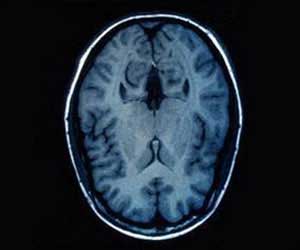
Concussion-related Mechanisms May Increase Alzheimer�s Risk
Concussion in the lower cortical thickness in the brain combined with genetic risk factors increases the risk of late-onset Alzheimer’s disease.
Concussion in the lower cortical thickness in the brain combined with genetic risk factors increases the risk of late-onset Alzheimer’s disease.
Recruitment for the study will continue until the end of 2020, when the researchers will evaluate the efficacy of aerobic exercise to treat adults with PPCS, says Mercier.
Advertisement

Aerobic Exercise and Heart-healthy Diet can Prevent Memory Problems
Heart-healthy diet and regular aerobic exercise can slow cognitive decline in older adults with cognitive impairment without dementia (CIND).
Heart-healthy diet and regular aerobic exercise can slow cognitive decline in older adults with cognitive impairment without dementia (CIND).
Source-Newswise

Brain Injury from Concussion May Not Fully Recover Even After a Year
How long does it take an athlete to recover from a concussion? New research has found an athlete’s brain may still not be fully recovered one year after being allowed to return to play.
How long does it take an athlete to recover from a concussion? New research has found an athlete’s brain may still not be fully recovered one year after being allowed to return to play.