MEDINDIA
 English
 हिन्दी
 Español
 français
 中文
中文
Rising diagnoses are leaving many parents unsure about what’s ADHD and what’s normal child behavior, highlighting the need for proper guidance.
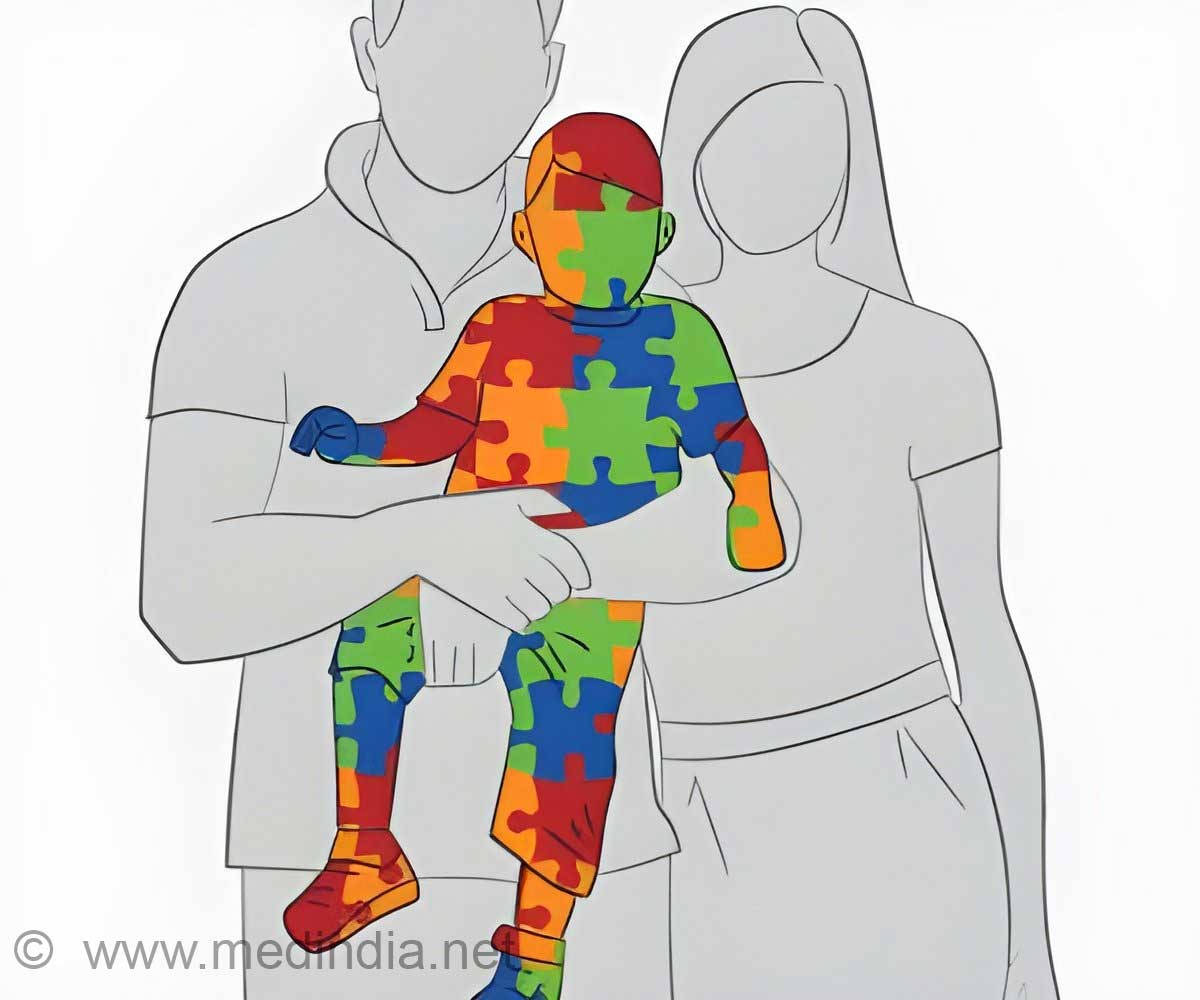
Developmental and Behavioral Complexities in Children
Go to source)
The new book, Developmental and Behavioral Complexities in Children, aims to resolve parental confusion regarding developmental differences in kids. The book clarifies that rise in pediatric mental health diagnoses may be due to increased awareness, which lead many parents to unnecessarily doubt on their child's behavior.
Jo-Ann Blaymore Bier, a retired developmental-behavioral pediatrician from Boston Children’s Hospital, occupational therapist Theresa A.

Quiz on Autism
Introduction Autism spectrum disorder is a complex genetic disorder that impairs social, behavioral, and communication functions in humans. Autistic people may act, communicate, interact, and learn differently than most other people. ASD ...
Introduction Autism spectrum disorder is a complex genetic disorder that impairs social, behavioral, and communication functions in humans. Autistic people may act, communicate, interact, and learn differently than most other people. ASD ...
TOP INSIGHT

Did You Know?
Highly active kids who perform well don't necessarily have #ADHD or autism spectrum disorder. Experts say that #neurodiversity is the key, and support is needed to improve child's quality of life. #parentingsupport #childdevelopment #overdiagnosis #mentalhealth #asd #medindia
Intended Audience: Students, Professionals, and Parents
Johnson, and Ellen Mullane who is a social worker, also say that opinions can differ among professionals which adds to the uncertainty for people who have children.“The field of child development is not always a ‘black and white’ science,” they add.
“The way that children behave varies under different conditions and settings. Professionals may have varying thresholds for recommending intervention.
For example, they say: “Being energetic does not necessarily mean that a child has ADHD. Most children enjoy movement, and young children have limited attention spans.
Based on latest research and clinical experience, the experts offer strategies to manage problematic behaviors and examine the evidence behind available treatments.
The book is intended for advanced level students and professionals working in the field of child development, but may also be beneficial for parents and other caregivers who may have concerns.

Quiz on ADHD
Attention Deficit/Hyperactivity Disorder (AD/HD, generally abbreviated as ADHD) is considered a “neurobehavioral developmental disorder”. To know what this definition means and what the causes, symptoms and treatment for ADD are; give our ADHD quiz ...
Attention Deficit/Hyperactivity Disorder (AD/HD, generally abbreviated as ADHD) is considered a “neurobehavioral developmental disorder”. To know what this definition means and what the causes, symptoms and treatment for ADD are; give our ADHD quiz ...
Distinguishing Personality from Disorder, the Book Covers
The book also answers questions that caregivers often ask such as is it my child’s personality or something more serious?The authors, who have helped thousands of children, document a range of ‘typical’ behaviors as well as those likely to be symptoms of specific diagnoses, including autism, ADHD, and oppositional defiant disorder.
In the book, they emphasize that no one demonstrates what others consider acceptable behavior all the time, and that all children are ‘wired’ differently.
ADHD is the most common childhood neuro-behavioral disorder, with some data sources indicating that about a million more children and adolescents in the US were diagnosed with ADHD in 2022 compared to 2016.
Increased awareness, changes in diagnostic criteria and in social norms are among many factors which the authors of Developmental and Behavioral Complexities in Children suggest may have contributed to the rise in cases.
Prioritizing Functioning and Quality of Life
However, no single specific medical test exists for ADHD. Clinicians make an assessment based on the child’s clinical presentation and on information from people who have observed the child’s behavior.For instance, children who are more energetic than their peers but also ‘function in group activities’ may not necessarily have ADHD, according to the authors.
Autism spectrum disorder (ASD) is also on the rise and is examined in detail in the book. The authors say the ASD diagnosis may have become even more complex – instead of easier – to understand.
The term ‘neurodiversity’ has also become increasingly used. In the book, the authors say:
“Accepting and encouraging individuality can be positive goals. But if an individual’s differences are having a negative impact on their functioning, providing supports to improve their quality of life can be beneficial.”
Reference:
- Developmental and Behavioral Complexities in Children - (https://www.routledge.com/Developmental-and-Behavioral-Complexities-in-Children-A-Guide-for-Stud/Bier-Johnson-Mullane/p/book/9781041071549)
Source-Eurekalert

Attention Deficit Hyperactivity Disorder Calculator
Is your child inattentive, careless and hyperactive or exhibiting behavioral problems? Test your child for ADHD symptoms using this ADHD Test Calculator and find out if your child needs the help of a specialist.
Is your child inattentive, careless and hyperactive or exhibiting behavioral problems? Test your child for ADHD symptoms using this ADHD Test Calculator and find out if your child needs the help of a specialist.
 Email
Email