MEDINDIA
 English
 हिन्दी
 Español
 français
 中文
中文
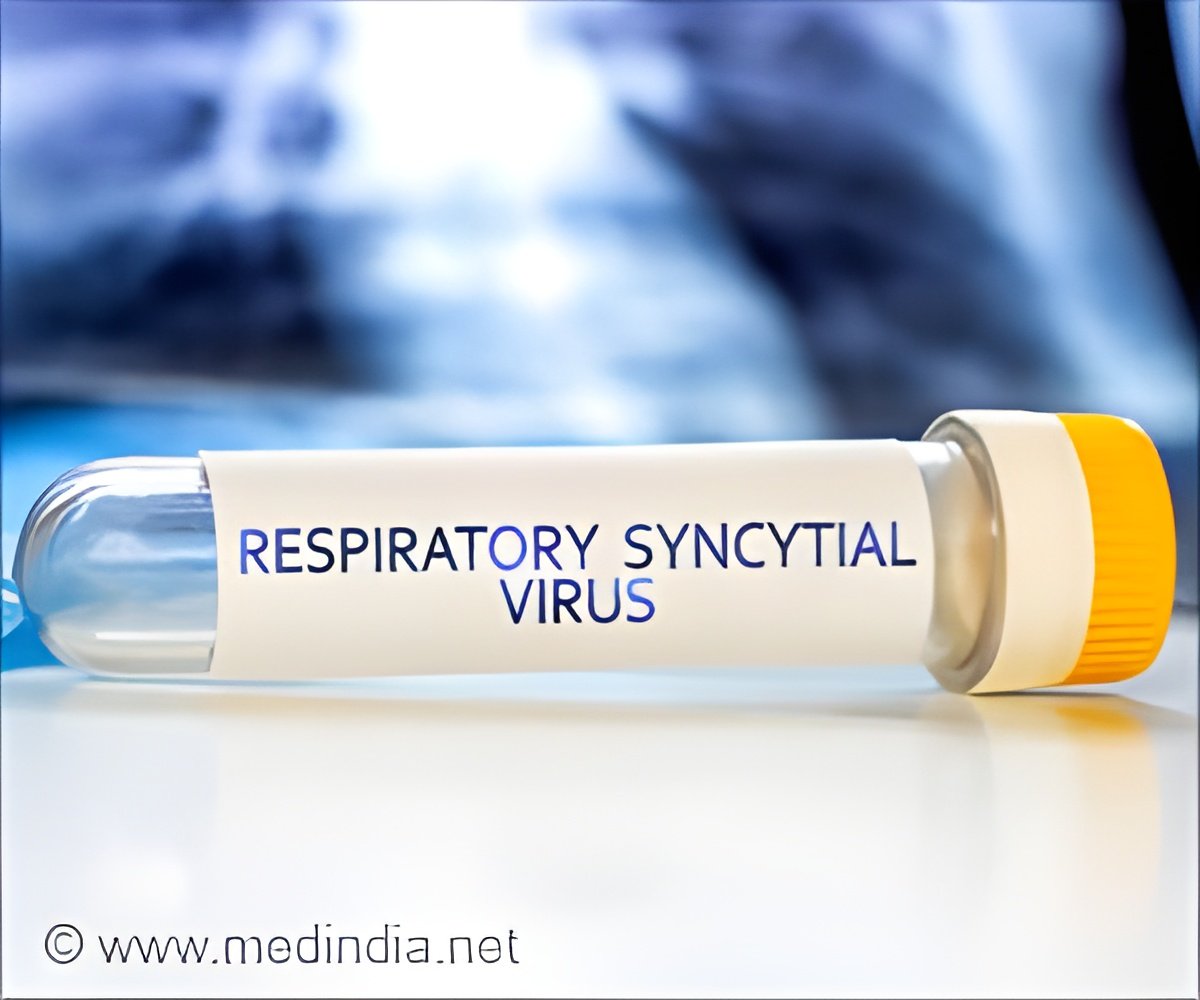
It's time for action now, new vaccines are necessary to protect and prevent babies from severe RSV virus.
Such vaccination programs could help prevent kids from RSV infections, especially during winter.(1✔ ✔Trusted Source
Protecting infants against respiratory syncytial virus this winter — ECDC issues advice
Go to source)
“Respiratory syncytial virus can cause a very severe illness in infants, even in those who are healthy, having a significant impact on their families and healthcare systems”, states ECDC senior expert Bruno Ciancio.

Travel Vaccination Quiz: Test Your Knowledge Before You Fly
Planning a trip abroad Before you pack your bags, test your knowledge with this Travel Vaccination Quiz. Discover which vaccines are exactly required for international travel and what’s recommended by the CDC and WHO, including ...
Planning a trip abroad Before you pack your bags, test your knowledge with this Travel Vaccination Quiz. Discover which vaccines are exactly required for international travel and what’s recommended by the CDC and WHO, including ...
TOP INSIGHT

Did You Know?
Respiratory #syncytial-virus (RSV) harm #infants, racking healthcare. Over 2,50,000 children are hospitalized each year across Europe due to #RSV-infection. It is essential to know and follow #national-prevention-guidelines for patient's safety. #rsv #publichealth #immunization #pediatrics #medindia
Why Babies Under Five Need Urgent RSV Protection
It is imperative that healthcare workers are aware of RSV epidemiology in their community and follow national guidelines for the prevention of RSV in their patients.On average, an estimated 250 000 children under the age of five are hospitalised each year across Europe due to RSV infection, with every third child hospitalised during their first months of life.
Available surveillance data for the EU and EEA show that every second person who tested positive for RSV during the winter season 2024/25 was a young child aged 0–4 years. Twelve per cent of those children were admitted to intensive care units, and one child died.
Since 2022, the EU has authorised safe and effective immunisation products to prevent RSV disease in infants.
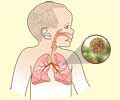
Causes, Symptoms and Signs of Respiratory Syncytial Virus
RSV is highly contagious and spreads through droplets in the air when an infected person coughs or sneezes. Close contact or touching contaminated surfaces also causes RSV infection. Symptoms of RSV include mild cold, lower respiratory tract infections and recurrent asthma and wheezing.
RSV is highly contagious and spreads through droplets in the air when an infected person coughs or sneezes. Close contact or touching contaminated surfaces also causes RSV infection. Symptoms of RSV include mild cold, lower respiratory tract infections and recurrent asthma and wheezing.
Monoclonal Antibodies vs. Maternal Vaccines for Dual Protection
These include long-acting monoclonal antibodies given to newborns and infants during their first winter season and maternal vaccines for pregnant people to protect infants during their first months of life.“Severe cases of RSV in infants can be prevented by vaccinating pregnant individuals or by immunising infants after birth.”
“Premature babies and those with chronic lung conditions are particularly vulnerable to severe illness and can be prioritised for immunisation when universal immunisation is not possible,” Ciancio adds.
Tiny Coughs, Big Costs: The Hidden Economic Toll of RSV in Children
RSV infections in children needing primary care cause high economic impact due to outpatient costs and parental work absences, varying by country and affecting immunization plans.
RSV infections in children needing primary care cause high economic impact due to outpatient costs and parental work absences, varying by country and affecting immunization plans.
Strengthening RSV Immunisation and Data Collection
Twenty-three countries across the EU/EEA already recommend RSV immunisation with long-acting monoclonal antibodies and 19 of these have funded programmes in place, either for all babies born during the winter season (universal immunisation) or for infants at high risk of severe illness.Three EU/EEA countries (Poland, Romania, Slovenia) use maternal vaccination exclusively and five countries (Belgium, Cyprus, France, Greece, Luxembourg) offer it as an alternative for protection alongside long-acting monoclonal antibodies.
To support EU/EEA countries, ECDC will continue to generate and assess evidence on RSV immunisation effectiveness and impact, as well as strengthen surveillance and immunisation programmes in the EU.
Reference:
- Protecting infants against respiratory syncytial virus this winter — ECDC issues advice - (https://www.ecdc.europa.eu/en/news-events/protecting-infants-against-respiratory-syncytial-virus-winter-ecdc-issues-advice)
Source-Eurekalert

Respiratory Syncytial Virus (RSV) Vaccination Guidelines for Pregnant Women
When should pregnant women get the RSV vaccine? Research suggests that 32 weeks into pregnancy ensures the best antibody transfer to protect newborns from RSV.
When should pregnant women get the RSV vaccine? Research suggests that 32 weeks into pregnancy ensures the best antibody transfer to protect newborns from RSV.
 Email
Email