MEDINDIA
 English
 हिन्दी
 Español
 français
 中文
中文
RSV is a common virus causing respiratory infections, especially severe in infants and young children.
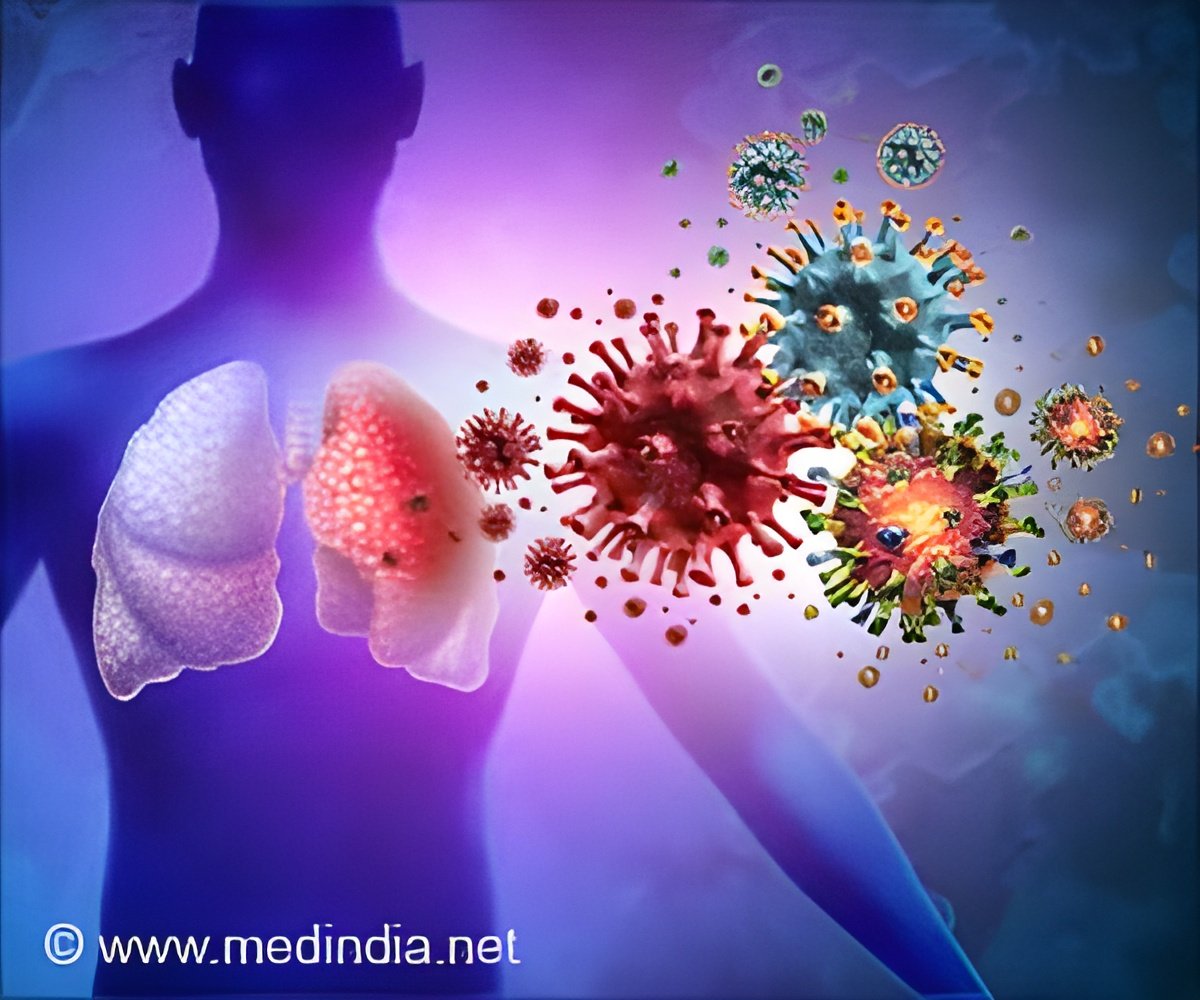
The Impact of RSV Immunization in Children
The study sought to provide insights for public health policy and support costs and benefits analyses for RSV immunisation strategies. RSV infections are a leading cause of acute respiratory infections in children, with nearly all children experiencing at least one RSV infection by the age of 2. While some children develop a severe form of RSV disease that might require hospitalisation, most infections are managed in primary care.
RSV (Respiratory Syncytial Virus) in Children
Respiratory syncytial virus (RSV) is a major cause of lower respiratory tract infections. RSV infection is usually mild and self-limiting but symptoms may be severe in young children, the elderly and those with a weak immunity.
Respiratory syncytial virus (RSV) is a major cause of lower respiratory tract infections. RSV infection is usually mild and self-limiting but symptoms may be severe in young children, the elderly and those with a weak immunity.
TOP INSIGHT

New #RSV immunizations for infants are now available, providing vital defense. Several new RSV vaccines are in development for toddlers and older children, promising a broader shield against the virus. #ChildHealth
Researchers found that the RSV infections resulted in a significant economic burden, with costs varying substantially between the five countries taking part in this study: average outpatient healthcare costs per RSV episode ranged from 97 EUR in the Netherlands to 300 EUR in Spain, and were mostly driven by primary care visits. The costs for parental absence from work ranged from 454 EUR in the UK to 994 EUR in Belgium.
The main sources of costs were repeated visits to primary care physicians and parents missing work to care for their sick children. Costs related to healthcare were higher for infants under the age of 1, while work absences among parents represented a higher proportion of costs among children between 1 to 5 years of age. Medication costs to treat RSV infections contributed the least to the overall economic burden across all countries and age groups.
Is Antibody Nirsevimab the Shield Infants Need Against Severe RSV?
Monoclonal antibody nirsevimab offers strong real-world protection against severe Respiratory Syncytial Virus (RSV) in infants, reducing hospitalizations.
Monoclonal antibody nirsevimab offers strong real-world protection against severe Respiratory Syncytial Virus (RSV) in infants, reducing hospitalizations.
The study has some limitations. There may have been some selection bias by physicians in selecting children and the study only included costs within 30 days of the first doctor visit. The COVID-19 pandemic could also have affected data. While evidence suggests that self-reported work absence serves as a valid alternative to documented work absence, some assumptions were made in the data analysis due to incomplete information. Finally, based on existing research, all costs were assumed to be related to RSV regardless of possible infections with other viruses.
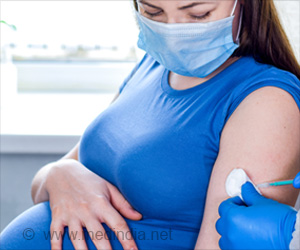
Australia to Fund RSV Vaccines for Moms and Babies
Australia will fund free RSV vaccines for newborns and pregnant women starting in 2025, aiming to protect vulnerable groups from respiratory infections.
Australia will fund free RSV vaccines for newborns and pregnant women starting in 2025, aiming to protect vulnerable groups from respiratory infections.
This study also addresses a critical gap in understanding the overall economic impact of childhood RSV infections, as most studies on the economic burden of RSV so far have focused on the costs associated with RSV-related hospitalisation and not included costs from primary care. While infections treated in primary care have lower healthcare costs, they still contribute significantly to the overall economic burden of RSV.

The Lungs - Animation
The lungs are our organs of respiration. It is within these, that exchange of gases takes place.
The lungs are our organs of respiration. It is within these, that exchange of gases takes place.
 Email
Email