Three academic experts from Asia, Europe, and the United States address the complexity of food systems during the 2016 AAAS Annual Meeting in Washington D.C.
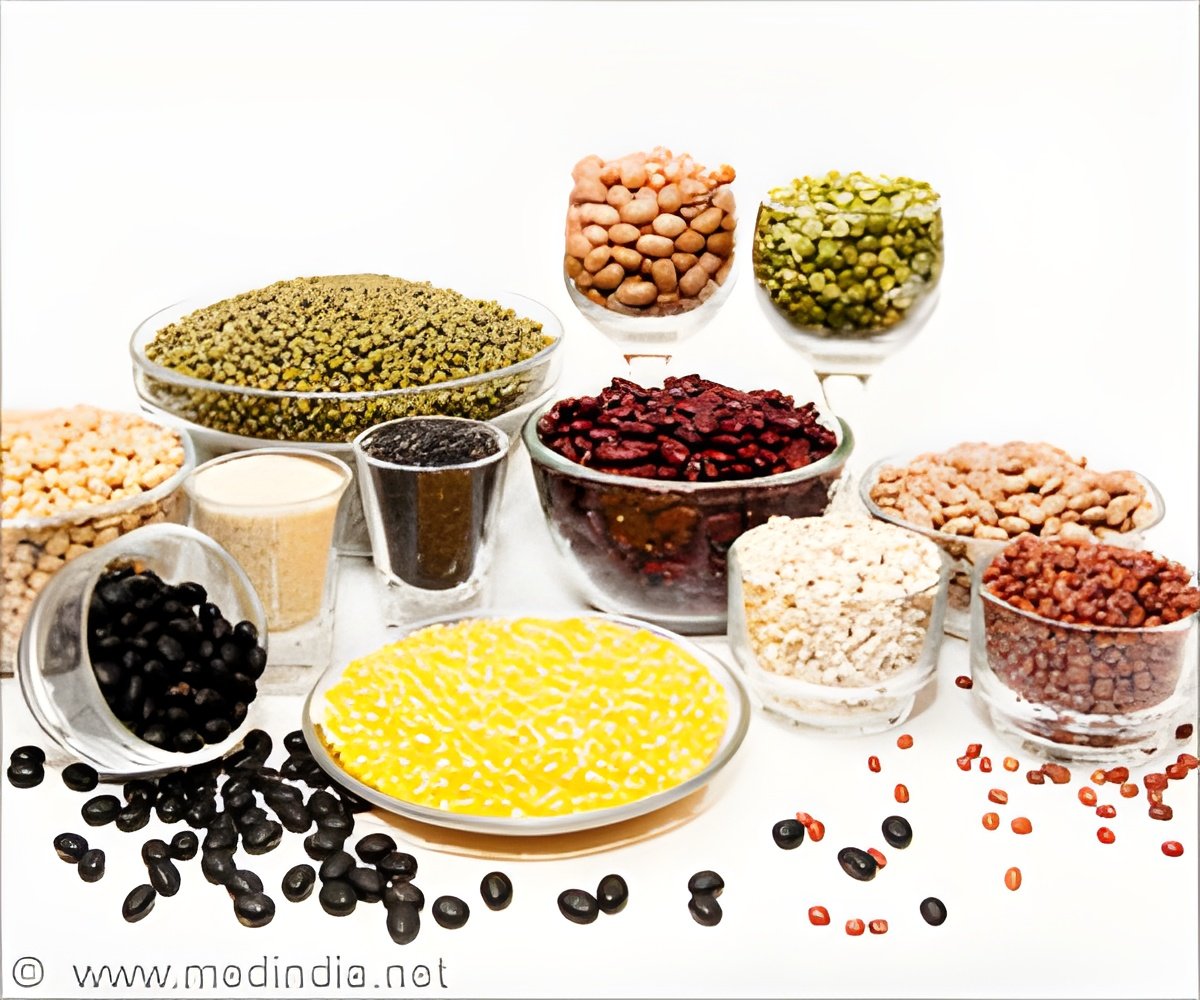

Creating Effective Food System for Space Travel
Despite the carefully planned research, some technical gaps remain in developing the NASA food system for long-duration missions, according to the new study by Maya Cooper and colleagues.
Despite the carefully planned research, some technical gaps remain in developing the NASA food system for long-duration missions, according to the new study by Maya Cooper and colleagues.
‘Applying resilience thinking to food systems is a novel concept for creating a higher level of food security by using decision making models, big data, and information technology.’





Johan Six, Professor of Sustainable Agroecosystems, ETH Zurich, The Swiss Federal Institute of Technology in Zurich, Switzerland tackles the complexity of the world's food systems. Intrinsically complex, food systems are difficult to predict and manage. Comprising of different processes, value chains, actors and interactions, their outcomes affect multiple stakeholders and sectors in diverse and conflicting ways. Rather than trying to optimize individual components for specific risks, Six demonstrates how to improve the general resilience of food systems, with an approach that supports decision-making in practice and extends the resilience mind-set of stakeholders. Many Asian countries are now experiencing rapid growth and development as people migrate from rural to urban areas. In the past 45 years the urban population in Asia grew from around 600 million to two billion. This demographic revolution profoundly affects all aspects of food systems, from production to dietary choices. Communities that were self-sufficient in terms of food resources for centuries, now rely on volatile international markets, even for basic products such as rice. Peter Edwards, Director of the Singapore-ETH Center for Global Environmental Sustainability, a research outpost of ETH Zurich discusses the implications of rapid urbanization for food security. Edwards proposes ways of strengthening the resilience of food systems to create a higher level of food security.
About half of the fruit and vegetables consumed in the United States are produced in California in an agricultural region that, as the recent 4-year drought has shown, is highly vulnerable to the disruption of irrigation water supply. Thomas P. Tomich, WK Kellogg Endowed Chair in Sustainable Food Systems at University of California, Davis, the top-ranked agricultural research university in the world, explores how new information technology and a data-flooded business environment will impact food and agriculture. He demonstrates how information technology supports the formation of an ecosystem between industry, investors, start-ups, and food innovators.

Global Food System Overhaul Urgently Needed
A British government report has said that the world needs fundamental changes to the global food system to feed the expanding population.
A British government report has said that the world needs fundamental changes to the global food system to feed the expanding population.
Food Security may be Put at Risk by Increasing Climate Warming
A University of Washington scientist has said that climate warming caused by greenhouse gases is very likely to increase the variability of summertime temperatures
A University of Washington scientist has said that climate warming caused by greenhouse gases is very likely to increase the variability of summertime temperatures

Manmohan Singh: 'Food Security Is a Key Challenge for the World'
Prime Minister Dr.Manmohan Singh said there is a need to build a movement to conserve traditional varieties of crops.
Prime Minister Dr.Manmohan Singh said there is a need to build a movement to conserve traditional varieties of crops.