MEDINDIA
 English
 हिन्दी
 Español
 français
 中文
中文

A new UK Biobank study finds that handgrip strength could predict who’s most at risk of obesity-related diseases long before symptoms appear.
Highlights:
Despite decades of research, spotting obesity before it causes health problems remains a challenge. Traditional tools like body mass index (BMI) offer only a partial picture — they can’t tell muscle from fat or show where the fat is distributed. A fit athlete may be labeled “obese,” while someone with dangerous visceral fat might appear “normal.”
That’s why researchers have been searching for a more accurate, affordable, and practical early warning tool — one that can catch risk before chronic diseases take root (1✔ ✔Trusted Source- Handgrip strength predicts progression of preclinical obesity and related dysfunctions
- Stronger grip linked to lower inflammation and longer survival in UK Biobank data
- Study suggests muscle strength could become a new early warning sign for obesity risk
Handgrip Strength and Trajectories of Preclinical Obesity Progression: A Multistate Model Analysis Using the UK Biobank
Go to source).

Body Fat Calculator
This calculator estimates your percentage body fat, your body type and the amount of calories you have to burn to lose 1% of your body fat and it uses U.S Navy’s Hodgdon-Beckett formula.
This calculator estimates your percentage body fat, your body type and the amount of calories you have to burn to lose 1% of your body fat and it uses U.S Navy’s Hodgdon-Beckett formula.
TOP INSIGHT

Did You Know?
A firm grip might say more about your health than your scale does - strength could be your body’s earliest warning sign. #obesityresearch #musclehealth #gripstrength #metabolichealth #ukbiobank #preventivehealth #medindia
What the Study Found
In a new study published in The Journal of Clinical Endocrinology & Metabolism, researchers analyzed data from over 400,000 participants in the vUK Biobank to examine how handgrip strength relates to the development of obesity-related health problems.They tracked people from “preclinical obesity” — having a higher BMI but no functional impairments — through later stages marked by metabolic dysfunction, multiple health issues, and death.
The results were striking:
- Each standard deviation increase in grip strength reduced the risk of progressing from preclinical obesity to dysfunction by 14%.
- The risk of developing multiple obesity-induced conditions dropped by 8%, and the risk of all-cause mortality decreased by 13%.
- Those in the highest grip strength group had a 23% lower risk of death, even when obesity-related dysfunctions were already present.

Ideal Body Weight
Calculate the ideal body weight for adults easily with Medindia’s Ideal Body Weight Calculator.
Calculate the ideal body weight for adults easily with Medindia’s Ideal Body Weight Calculator.
Why Grip Strength Beats BMI
Unlike BMI, grip strength reflects overall muscle quality and metabolic health. Stronger muscles help regulate blood sugar, manage inflammation, and protect against fat-related damage.Participants with higher grip strength also had lower levels of C-reactive protein, an inflammatory marker linked to obesity-related diseases.
Researchers believe this simple test might eventually serve as an early, non-invasive indicator of who’s at risk of developing obesity-related problems — years before symptoms appear.
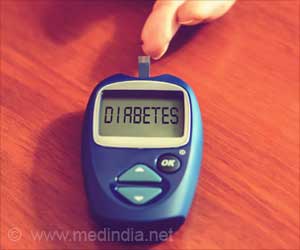
Grip Strength Evaluation can Identify Early Diabetes
Grip strength metrics can provide healthcare practitioners with an easy-to-perform, time-efficient screening tool for type 2 diabetes (T2DM).
Grip strength metrics can provide healthcare practitioners with an easy-to-perform, time-efficient screening tool for type 2 diabetes (T2DM).
Why This Matters for Global Health
Obesity was officially recognized as a disease in 2025. With over 750 million children and adults projected to live with obesity by 2035, prevention requires tools that are both simple and scalable.A handgrip test could become a screening tool for clinicians, offering a quick way to gauge long-term risk and encourage early lifestyle changes.

Easy Method To Test Muscle Function Decline in Parkinson’s Disease
The hand-grip test is an easy and conclusive way to test muscle strength decline in adults with Parkinson’s disease.
The hand-grip test is an easy and conclusive way to test muscle strength decline in adults with Parkinson’s disease.
The Takeaway: Strength as a Vital Sign
The findings suggest that muscle strength — not just body weight — plays a critical role in future health. Building and maintaining strength might protect against obesity’s worst outcomes.While this observational study doesn’t prove cause and effect, it raises an exciting possibility: that a simple squeeze of the hand could reveal what even advanced body scans can miss.
Reference:
- Handgrip Strength and Trajectories of Preclinical Obesity Progression: A Multistate Model Analysis Using the UK Biobank - (https://academic.oup.com/jcem/advance-article/doi/10.1210/clinem/dgaf521/8277450)
Source-Medindia
 Email
Email