MEDINDIA
 English
 हिन्दी
 Español
 français
 中文
中文
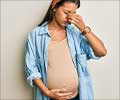
Low vitamin D levels during pregnancy can silently weaken bones and muscles, leading to serious complications during childbirth.
Highlights:
A majority of people think that weaker bones are a sign of aging, and only a few are aware that young pregnant women, especially those who receive little sunlight, can also develop osteomalacia, or softening of the bones (1✔ ✔Trusted Source- Osteomalacia, or soft bone disease, is caused by vitamin D deficiency and can silently affect pregnant women
- Women with osteomalacia were five times more likely to need assisted deliveries
- Immigrant women with low sun exposure and limited dietary vitamin D faced higher risks
Biochemical osteomalacia reaffirmed by signs and symptoms and perinatal outcome. A prospective cohort study of women in Sweden
Go to source). Low levels of calcium, phosphate, or vitamin D cause osteomalacia, a condition in which bones do not mineralise normally. The resulting pain, exhaustion, and muscle weakness are easily mistaken for the typical pregnancy discomforts.
Vitamin D is an essential component that helps the body absorb calcium and keeps bones and muscles strong. Their levels in the body drop when there is insufficient exposure to sunlight or through diet, which causes a chain of events that weakens the skeleton and the muscles required for childbirth.

Vitamin Deficiency Calculator
Vitamin deficiency is one of the major factors causing various diseases and conditions. Use this tool to know the vitamin that is deficient for any particular disease or condition.
Vitamin deficiency is one of the major factors causing various diseases and conditions. Use this tool to know the vitamin that is deficient for any particular disease or condition.
TOP INSIGHT

Did You Know?
Pregnant women with osteomalacia are five times more likely to need assisted delivery! #vitaminD #osteomalacia #bonedefects #vitamindeficiency #medindia
Shedding Light on Hidden Bone Weakness
A study was conducted to investigate the impact of biochemical osteomalacia on 123 women, 67 during pregnancy and 56 postpartum. These women were observed during their pregnancies and nursing periods.Physicians recorded blood levels of the three most significant markers of bone health:
- Alkaline phosphatase (ALP),
- Parathyroid hormone (PTH), and
- Vitamin D (25(OH)D).
Women with low vitamin D levels, elevated bone-related enzymes, and one or more of the following symptoms, like muscle weakness, exhaustion, or excruciating pain, were diagnosed with biochemical osteomalacia.
Vitamin D Deficiency - Causes, Symptoms, Diagnosis, Treatment
Vitamin D the sunshine vitamin is essential for strong bones. Vitamin D deficiency is reportedly increasing worldwide and cause bone pain and muscle weakness.
Vitamin D the sunshine vitamin is essential for strong bones. Vitamin D deficiency is reportedly increasing worldwide and cause bone pain and muscle weakness.
Weak Bones Resulted in Tougher Deliveries
Low Vitamin D Levels
Women with osteomalacia had vitamin D levels nearly half that of women without the condition (15 nmol/L vs. 39 nmol/L). Vitamin D deficiency causes problems with calcium and phosphate absorption, which in turn causes problems with smooth muscle and nerve function.
Weaker Muscles
They had poor muscle control; many had trouble with simple exercises like standing on one leg or squatting, which are indicators of poor muscle control. Poor muscle control increased the need for emergency Caesarean sections.
Lifestyle Factors:
They were more likely to wear veils, avoid sunbathing, and consume less dairy and fish, all of which contributed to their deficiency.
Higher Risk During Delivery:
The problem of osteomalacia in women increased the childbirth complications.
- Vacuum-assisted deliveries were five times more common in this group (20% vs. 4%).
- Emergency C-sections occurred twice as often, though not statistically significant.
- Normal vaginal deliveries were much less frequent (45% vs. 73%).

One in Five Indians Vitamin D Deficient: Should We Be More Concerned?
India faces a silent health crisis as one in five suffer from Vitamin D deficiency, driven by urban lifestyles, poor diets, and limited sun exposure.
India faces a silent health crisis as one in five suffer from Vitamin D deficiency, driven by urban lifestyles, poor diets, and limited sun exposure.
Prior Diagnosis: A Safe Way to Prevent Vitamin D Deficiency
It is difficult to diagnose osteomalacia in pregnancy. The possible reasons for this are- X-rays can harm the fetus.
- The gold standard test, bone biopsies, is invasive, expensive, and not practical in expectant mothers.
This kind of solution can revolutionise prenatal care, particularly in low-resource areas where developed imaging or laboratory services might be inaccessible.

Calcium and Vitamin Supplements
Calcium and vitamin supplements are taken to provide the body with the ''required'' nutrients. Calcium is a mineral found in many foods. Vitamins are very important nutrients for the body.
Calcium and vitamin supplements are taken to provide the body with the ''required'' nutrients. Calcium is a mineral found in many foods. Vitamins are very important nutrients for the body.
Vitamin D Decrease is A Major Threat for Both Mothers and Babies
The study offers a crucial takeaway for women and the medical community:- The deficiency of vitamin D must be frequently screened among pregnant women, particularly for those who are at high risk.
- Minor lifestyle modifications, such as consuming a high-level dietary intake of supplemented foods like cheese, milk, and fatty fish, and obtaining moderate sunshine exposure, can make a big difference.
- In areas with little sunlight, vitamin D and calcium supplements should be a part of prenatal care.
Reference:
- Biochemical osteomalacia reaffirmed by signs and symptoms and perinatal outcome. A prospective cohort study of women in Sweden - (https://www.sciencedirect.com/science/article/pii/S8756328225002911)
Source-Medindia
 Email
Email