MEDINDIA
 English
 हिन्दी
 Español
 français
 中文
中文

 Email
Email
- Dead Butt Syndrome (Gluteal Amnesia) : A Case Study - (https://www.jetir.org/papers/JETIR2503230.pdf)
- Feeling Numb After Sitting? Try These Tips To Awaken Your Dead Butt - (https://health.clevelandclinic.org/no-joke-your-desk-job-promotes-dead-butt-syndrome)
- Dead Butt Syndrome: is it real? - (https://www.researchgate.net/publication/346108868_Dead_Butt_Syndrome_is_it_real)
- Dead Butt Syndrome: 5 Things to Know - (https://www.michiganmedicine.org/health-lab/are-you-risk-dead-butt-syndrome)
About
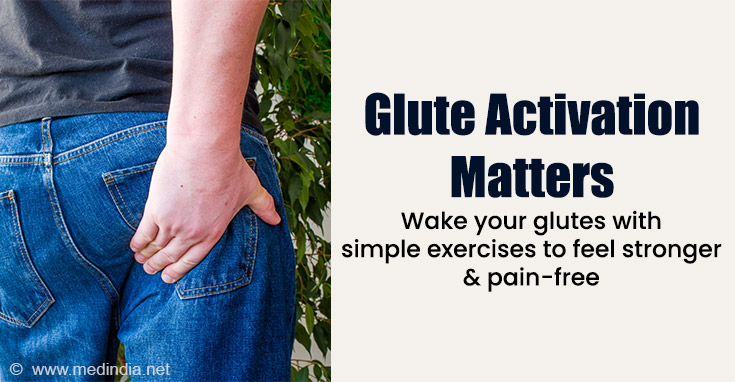
Have you ever stood up after sitting for hours and felt a numb or dead weight in your butt? Maybe your lower back or hip creaks, or your knees complain when you walk. Welcome to what's commonly called Dead Butt Syndrome, a funny name with very real effects. Also known medically as gluteal amnesia (or gluteus medius tendinopathy/lower cross syndrome in some sources), it describes what happens when your gluteal muscles become weak, inactive, or simply forget how to support you.
This condition is increasingly common in our modern era of desk jobs, long commutes, and sedentary living. But the good news? With awareness, movement, and a few smart changes, it's reversible and preventable. Let's look at what causes it, how to recognize it, and what to do about it.
Did You Know?
Your glute muscles are called the "sleepiest" in your body. They literally turn off when you sit too long. It takes almost twice as much effort to revive them through exercise once they’ve gone inactive. #GluteActivation #MoveMore #medindia





What Is Gluteal Amnesia / Dead Butt Syndrome?
Gluteal amnesia, or Dead Butt Syndrome (DBS), refers to dysfunction in the glute muscles (especially the gluteus medius), where these muscles no longer activate properly(1✔ ✔Trusted Source
Dead Butt Syndrome (Gluteal Amnesia) : A Case Study
Go to source). Instead of aiding in hip stability, posture, and movement, they become "dormant" due to disuse.
Prolonged sitting, poor posture, and muscle imbalances around the hips and lower back contribute heavily. The hip flexors (muscles in front of the hip) tighten, while the glutes lengthen or weaken. Over time, this disuse causes alignment issues, altered gait, and extra strain on other muscles.
What are the Causes of Dead Butt Syndrome
Most people with sedentary jobs are at risk. Some specific factors include(2✔ ✔Trusted Source
Feeling Numb After Sitting? Try These Tips To Awaken Your Dead Butt
Go to source):
- Sitting for long hours without breaks (desk workers, drivers).
- Poor sitting posture (slouched back, pelvis tilted forward).
- Weak core or hip muscles that fail to activate during movement.
- Overuse or repetitive activity (running, cycling) without balanced strengthening of the glutes. Even fit people can develop DBS if they don't work their glute muscles properly.
What are the Symptoms of Dead Butt Syndrome?
Often, the early signs are subtle. You may feel(3✔ ✔Trusted Source
Dead Butt Syndrome: is it real?
Go to source):
- Numbness, tingling, or soreness in your buttocks, especially after sitting for a while.
- Pain in the hips, lower back, or knees – because those areas start compensating when glutes aren't doing their share.
- Weakness in glutes or difficulty engaging them—maybe you try to "squeeze your butt" and nothing happens.
- A sensation of stiffness or discomfort when moving from sitting to standing, or balancing on one leg.
- Sometimes, pain radiates or refers into the hip or down the leg, or swelling in the hip bursae if inflammation sets in.
What are the Consequences of Ignoring Dead Butt Syndrome?
Letting DBS go untreated can lead to more than just a sore backside. Here's what may follow(1✔ ✔Trusted Source
Dead Butt Syndrome (Gluteal Amnesia) : A Case Study
Go to source):
- Chronic lower back pain, because the spine is overworked to compensate.
- Hip problems or bursitis (inflammation around the hip joint) due to altered alignment.
- Knee, ankle, or gait issues from imbalance and poor mechanics.
- Loss of mobility, difficulty performing simple movements like climbing stairs or getting in/out of a car. Over time, that may affect quality of life.
How to Treat Dead Butt Syndrome?
Here's where relief comes in. Doctors, physical therapists, and movement specialists agree: you can reverse DBS with consistency. Here are evidence-based strategies (3✔ ✔Trusted Source
Dead Butt Syndrome: is it real?
Go to source):
Move Regularly & Break Up Sitting
Set a timer, stand up every 20–30 minutes. Walking, stretching, and even just shifting positions help. If possible, consider a standing desk or sit-stand workstation(2✔ ✔Trusted Source
Feeling Numb After Sitting? Try These Tips To Awaken Your Dead Butt
Go to source).
Improve Posture & Mechanics
- Sit with your feet flat, knees at about 90°, pelvis neutral. Avoid slouching or constantly crossing legs.
- Use ergonomic chairs, lumbar support, and make sure your workspace encourages upright posture(2✔ ✔Trusted Source
Feeling Numb After Sitting? Try These Tips To Awaken Your Dead Butt
Go to source).
Strengthen & Activate Glutes
Exercises that target all parts of your buttocks and supporting muscles are key. Examples include(2✔ ✔Trusted Source
Feeling Numb After Sitting? Try These Tips To Awaken Your Dead Butt
Go to source):
- Glute bridges: Lying on your back, knees bent, lifting hips while squeezing glutes.
- Side-lying leg lifts / Clamshells: Activate gluteus medius.
- Single-leg or side lunges, squats, step-ups.
Stretch Hip Flexors & Release Tight Muscles
Tight hip flexors pull the pelvis forward and inhibit glute activation. Stretching, foam rolling, and regular flexibility work relieve tension.
Seek Physical Therapy If Necessary
If pain, weakness, or mobility issues persist, a physical therapist can assess muscle imbalances, teach proper movement, and design a personalized rehab plan(4✔ ✔Trusted Source
Dead Butt Syndrome: 5 Things to Know
Go to source).
How Can You Prevent Dead Butt Syndrome?
You don't need full-hour gym sessions every day to keep your glutes alive. Try these habits:
- Stand up, stretch, or walk for 2–5 minutes every hour, especially if sitting for work.
- Incorporate glute-activating moves into your regular workout or daily routine- maybe just 5–10 minutes in the morning or evening.
- Check your posture: when you sit, stand, lift, run. Be mindful of alignment.
- Maintain balanced training: mix strength (glutes, core) with flexibility (hips, hamstrings).
When to See a Healthcare Provider
If you notice these signs, it's time to get evaluated:
- Persistent numbness, tingling, or pain in buttocks, hips, lower back, or legs that doesn't improve with self-care.
- Pain or mobility issues that interfere with daily life (walking, climbing stairs, sitting or standing).
- History of injury or risk factors (e.g. slipped discs, sciatica) or exercises that worsen symptoms.
Medical assessment could include posture analysis, muscle testing (like the Trendelenburg test), imaging if required, and referrals to physical therapy.
Dead Butt Syndrome, or gluteal amnesia, might sound funny, but it's a serious condition rooted in modern sedentary lifestyle habits. Weak, inactive glutes lead to pain, altered posture, and downstream problems in the hips, spine, and knees. The silver lining: it's not inevitable. With consistent movement, posture tweaks, and targeted exercises, you can wake up your glutes, relieve discomfort, and restore strength and balance.