MEDINDIA
 English
 हिन्दी
 Español
 français
 中文
中文
Use of the molecularly targeted agent lapatinib to delay tumor growth and improve the survival of patients with inoperable hepatocellular carcinoma, or liver cancer.
Use of the molecularly targeted agent lapatinib to delay tumor growth and improve the survival of patients with inoperable hepatocellular carcinoma, or liver cancer, only benefited certain subgroups of patients. While results of this study were largely negative, patients that exhibited toxicity from the drug in the form of a skin rash appeared to have a greater tumor response and longer survival.
Findings of this phase II, multi-institutional study are published in Clinical Cancer Research, a journal of the American Association for Cancer Research.
Liver Cancer - Types, Causes, Symptoms, Diagnosis, Treatment, Prevention, Progosis
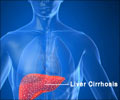
Liver or hepatic cancer is an abnormal growth of cells in the liver. The leading cause of the disease is cirrhosis or scarring of the liver tissue.
Liver or hepatic cancer is an abnormal growth of cells in the liver. The leading cause of the disease is cirrhosis or scarring of the liver tissue.
The prevalence of hepatocellular carcinoma is increasing worldwide, and since this form of cancer typically responds poorly to chemotherapy, new treatments are necessary to help curb its rise. The current standard treatment for advanced hepatocellular carcinoma is sorafenib.
This study is one of the first trials to test the tolerability and efficacy of lapatinib in patients with advanced hepatocellular carcinoma. Lapatinib targets both EGFR and Human EGFR type 2 (HER2/neu) signaling pathways. The FDA approved this drug in March of 2007 for patients with breast cancer who were already using the chemotherapeutic agent capecitabine. Lapatinib works by inhibiting the tyrosine kinase activity associated with the two oncogenes — EGFR and HER2/neu.
Alcoholic Liver Disease - Causes Symptoms Diagnosis Treatment FAQs
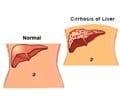
Encyclopedia section of medindia gives general information about Alcoholic Liver Disease.
Encyclopedia section of medindia gives general information about Alcoholic Liver Disease.
Results indicated that lapatinib only benefited a subgroup of patients who developed a rash, which is an effect attributable to EGFR/HER1 inhibition. These patients tended to have a more favorable outcome and longer survival compared to the overall study population. The most common side effects were diarrhea in 73 percent of participants, nausea in 45 percent and rash in 42 percent.

Liver Biopsy - Risks, Making Safe
Learn how liver biopsy is done? What are the complications of liver biopsy and what safety precautions are required before biopsy.
Learn how liver biopsy is done? What are the complications of liver biopsy and what safety precautions are required before biopsy.
Samuel B. Ho, M.D., an editorial board member for Clinical Cancer Research, believes this study provides important information about the relevance of these signaling pathways in advanced hepatocellular carcinoma.

Quiz on Liver
How many of us know that the liver is a vital organ the size of an American Football? To understand more about the liver and its functions spend a few minutes taking part in this quiz.
How many of us know that the liver is a vital organ the size of an American Football? To understand more about the liver and its functions spend a few minutes taking part in this quiz.
Ho is the chief of gastroenterology section at the VA San Diego Healthcare System, and professor of medicine at the University of California, San Diego.
Furthermore, the results of this study represent an important step in the strategy for designing clinical studies for this form of cancer, according to Ho, and additional studies are needed. Specifically with lapatinib, it will be important to determine a way to identify those patients who are more likely to respond and include them in a larger trial.
"Given the complexity of the biology in hepatocellular carcinoma and essentially all other malignancies, we should not hope a single marker would be predicative; it makes more sense biologically to monitor multiple potentially relevant markers," said Ho.
Source-Eurekalert
SRM
 Email
Email