MEDINDIA
 English
 हिन्दी
 Español
 français
 中文
中文
Scientists uncover how disrupted brain connectivity may trigger delirium after stroke or brain bleed.
Disrupted Connectivity of the Brainstem Ascending Reticular Activating System Nuclei-left Parahippocampal Gyrus Could Reveal Mechanisms of Delirium Following Basal Ganglia Intracerebral Hemorrhage
Go to source).

Delirium - Types, Causes, Symptoms, Signs, Diagnosis, Treatment
Delirium is a sudden disturbance in mental function that causes confusion and decreased awareness of one’s environment. It is classified into three subtypes – hyperactive, hypoactive and mixed.
Delirium is a sudden disturbance in mental function that causes confusion and decreased awareness of one’s environment. It is classified into three subtypes – hyperactive, hypoactive and mixed.
TOP INSIGHT

Did You Know?
A 90% accurate brain connectivity marker may soon help doctors predict delirium before it strikes. #delirium #medindia
The Brain’s “Wake-Up” Network — The ARAS System
The Ascending Reticular Activating System (ARAS) is a key communication centre that is located deep within the brainstem. Imagine it as a kind of “on switch” to the body consciousness – it is what keeps us awake, alert and focused. The ARAS conveys messages between the brainstem and the higher parts of the brain, such as the cortex and limbic system. (controls thought, emotion and awareness).When this network functions well, we are in a position to listen, stay alert and think clearly. However, when these signals are impaired, e.g., following a haemorrhage to the brain, the outcome may be mental fog, loss of concentration and the kind of confusion typical of delirium.

ICU Delirium - Causes, Symptoms, Diagnosis, Treatment
ICU delirium is the most dreaded and least diagnosed complication of an illness which requires treatment in the critical care unit.
ICU delirium is the most dreaded and least diagnosed complication of an illness which requires treatment in the critical care unit.
When the Memory Link Breaks Down
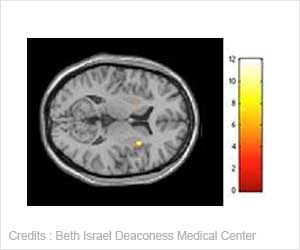
In this study, researchers used high-resolution MRI brain scans to examine 33 patients who had experienced an intracerebral haemorrhage in the basal ganglia. Of these, 15 were found to have delirium. The researchers found that individuals who had delirium had a major impairment in brainstem and left parahippocampal gyrus connectivity (a region involved in memory, emotional control, and spatial orientation).Without this connection, the brain is unable to effectively combine memory and attention. This could explain why you're confused, forgetting events, and feeling unstable. It is as though a crucial phone line between the "wake-up centre" and the "memory control room" of the brain has been cut off.

Roadmap for Delirium Risks, Prevention, Treatment, Prognosis and Research Provided By Study
According to a review, Delirium, a condition with significant short and long-term effects on cognition and function, should be identified as an indicator of poor long-term prognosis.
According to a review, Delirium, a condition with significant short and long-term effects on cognition and function, should be identified as an indicator of poor long-term prognosis.
A New Biomarker for Predicting Delirium
The researchers went a step further to test whether this broken link could help predict who was at risk for delirium. They compared the strength of functional connectivity (FC) between these two brain regions and discovered that it was able to identify reliable cases of delirium with an accuracy score of approximately 90% (AUC = 0.893).In simpler terms, measuring the ARAS-parahippocampal connection may serve as an early warning biomarker of delirium. Doctors will be able to use high-tech brain imaging in the future to identify and prevent patients at high risk, all while paying close attention to monitoring brain activity, reducing inflammatory processes, and changing medications that affect neurotransmitters.

Delirium Has Lasting Effects on Mental Health
A patient who experiences an episode of delirium was more than twice as likely to show significant long-term cognitive decline than a patient who did not experience delirium.
A patient who experiences an episode of delirium was more than twice as likely to show significant long-term cognitive decline than a patient who did not experience delirium.
Why This Brain Connection Matters?
The left parahippocampal gyrus doesn’t just store memories—it also helps us process emotions, stay orientated in our environment, and regulate our focus. Following a brain injury or haemorrhage, the ARAS becomes susceptible to inflammation and chemical imbalances that may ruin its ability to send concise messages to this part of the brain.An imbalance of neurotransmitters such as dopamine, acetylcholine, and norepinephrine causes an irregular flow of communication. Patients may become either drowsy, nervous, forgetful, or disconnected from reality, which are hallmarks of delirium. This study recommends that the rehabilitation or defence of this pathway could be effective in restoring cognitive clarity and recovery.
Towards Better Brain Recovery From Delirium
While more research is needed, these findings are a major step forward. They highlight how delirium isn’t just a symptom — it’s a signal of deeper disconnection within the brain’s communication network.Future therapies might focus on restoring brain connectivity through neurostimulation, medication, or cognitive training. Understanding how the ARAS and parahippocampal regions interact gives doctors a roadmap to detect delirium early and intervene before it worsens.
This study sheds light on an important brain connection that promotes awareness, memory, and emotional balance. When that link is broken, such as after a brain haemorrhage, delirium can occur. However, with this discovery, science has moved one step closer to identifying who is at risk and preventing confusion before it occurs.
As researchers continue to investigate how the brain's networks communicate, the hope is clear: by reconnecting these broken connections, we may one day restore clarity to minds clouded by delirium.
Reference:
- Disrupted Connectivity of the Brainstem Ascending Reticular Activating System Nuclei-left Parahippocampal Gyrus Could Reveal Mechanisms of Delirium Following Basal Ganglia Intracerebral Hemorrhage - (https://www.researchgate.net/publication/393402760_Disrupted_Connectivity_of_the_Brainstem_Ascending_Reticular_Activating_System_Nuclei-left_Parahippocampal_Gyrus_Could_Reveal_Mechanisms_of_Delirium_Following_Basal_Ganglia_Intracerebral_Hemorrhage)
Source-Researchgate
 Email
Email