MEDINDIA
 English
 हिन्दी
 Español
 français
 中文
中文
Early dd-cfDNA monitoring can flag kidney transplant rejection risk years before symptoms appear.
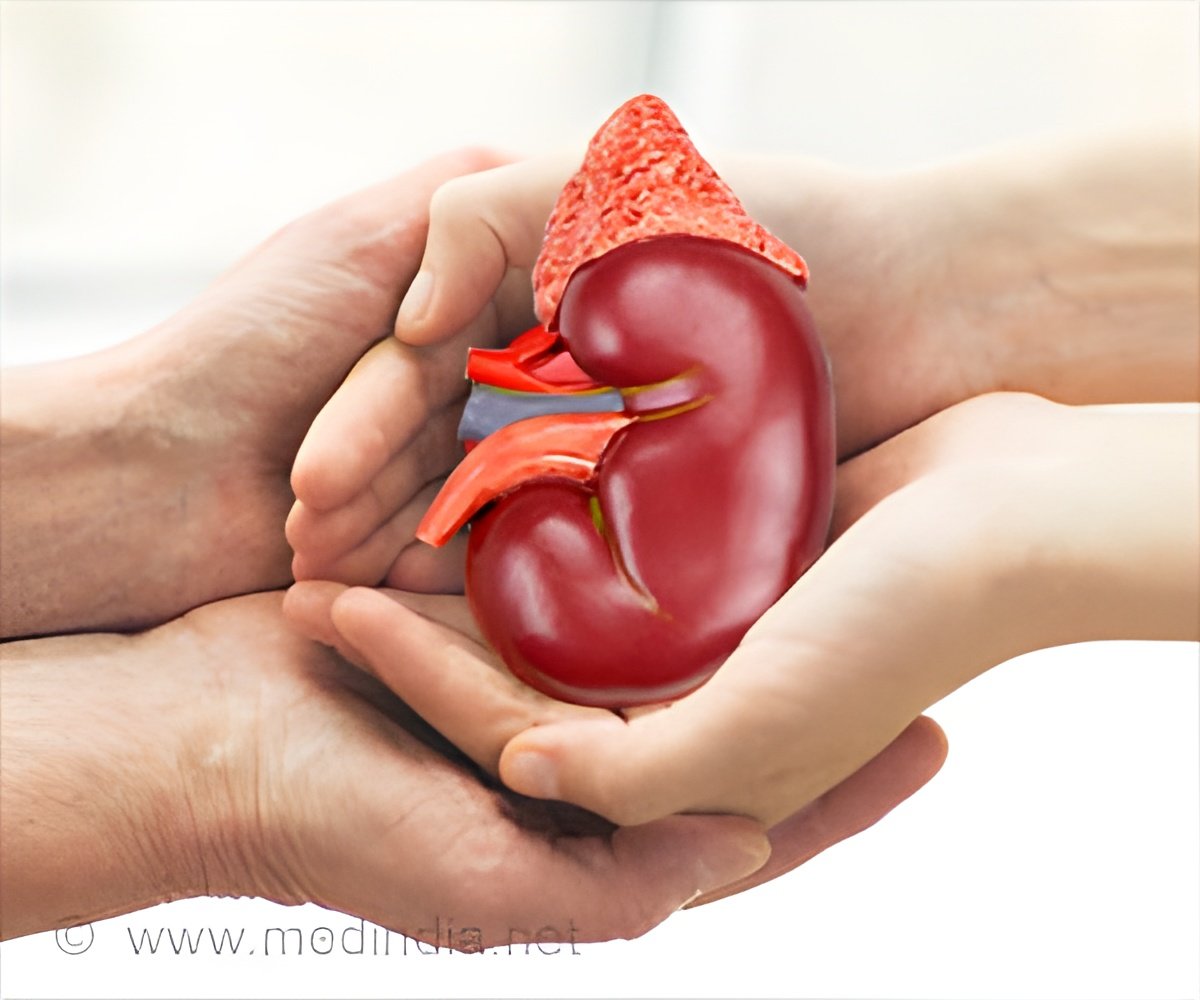
Renal Transplant Recipients with Elevated Donor-Derived Cell-Free DNA (dd-cfDNA) Are at Increased Risk of Graft Loss
Go to source).

John Hopkins Researchers Discover How a Common Chemo Drug Thwarts Graft Rejection in Bone Marrow Transplants
The explanation for why a chemotherapy drug called cyclophosphamide prevents GVHD disease in people who receive bone marrow transplants was explained by the results of a John Hopkins study.
The explanation for why a chemotherapy drug called cyclophosphamide prevents GVHD disease in people who receive bone marrow transplants was explained by the results of a John Hopkins study.
TOP INSIGHT

Patients with rising dd-cfDNA faced up to 8× higher graft loss risk-proof that DNA holds the earliest warning. #kidneyhealth #medindia
What is dd-cfDNA?
Donor organ cells shed DNA fragments into the recipient’s bloodstream upon injury or immune attack. Kidney transplants in particular allow detection through both blood and urine. Elevated urinary dd-cfDNA indicates ongoing graft injury or rejection.
Impact of Microvascular Inflammation on Kidney Transplant Rejection
Microvascular inflammation post-kidney transplantation is critical as it can lead to graft dysfunction and rejection. Understanding this process aids in improving patient outcomes.
Microvascular inflammation post-kidney transplantation is critical as it can lead to graft dysfunction and rejection. Understanding this process aids in improving patient outcomes.
Biological Rationale & Mechanism
Of the 1778 screened patients, 1258 were analyzed, with 944 (about 75%) completing three years of follow-up. Along the three-year course, dd-cfDNA levels measured during routine surveillance testing revealed that patients in the At Surveillance—Reference Change Value (AS RCV) and those in the AS Normal group were mostly females. Risk of graft loss was significantly higher among patients with dd-cfDNA elevations.The cumulative graft loss for the three-year follow-up:
- AS Normal group - 1.4% graft loss
- AS RCV group - 3.0% graft loss
- AS High group - 7.7% graft loss
Higher dd-cfDNA, Higher Graft Loss Risk
The AS RCV group (hazard ratio 3.411) was more than three times more likely to experience graft loss over three years than someone with normal dd-cfDNA. In the AS High group (hazard ratio 8.166), chances were more than eight times greater. The hazard ratios were given in comparison with the normal group, and no significant differences in non-COVID mortality were observed among the three groups.Integrating dd-cfDNA surveillance into post-transplant care could revolutionize management, enabling clinicians to intervene at an earlier stage, customize follow-up, and even lead to a lower dependence on biopsies.
Reference:
- Renal Transplant Recipients with Elevated Donor-Derived Cell-Free DNA (dd-cfDNA) Are at Increased Risk of Graft Loss - (https://www.amjtransplant.org/article/S1600-6135(25)00963-3/fulltext)
Source-Medindia
Graft Rejection, A Result of Secondhand Smoke
Exposed to cigarette smoke in a cause-effect manner leads to graft rejection that would have otherwise been averted by specific drug treatments reveals a new study.
Exposed to cigarette smoke in a cause-effect manner leads to graft rejection that would have otherwise been averted by specific drug treatments reveals a new study.
 Email
Email