MEDINDIA
 English
 हिन्दी
 Español
 français
 中文
中文
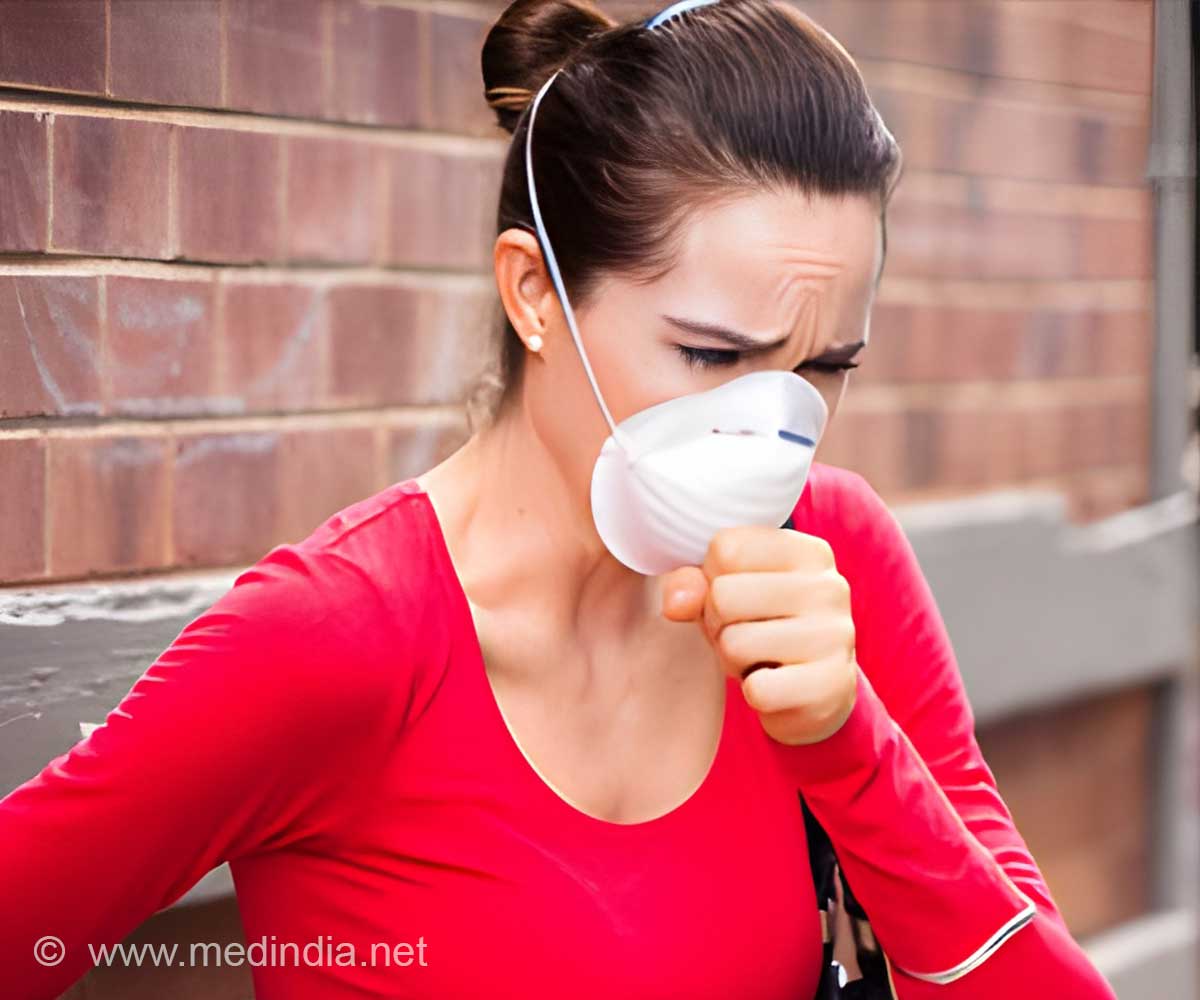
Wearing a mask has become a mandatory action to slow the spread of surging COVID-19. But if it’s not accompanied by proper public education, the practice could lead to more infections.
TOP INSIGHT

Wearing a mask has become a mandatory action to slow the spread of surging COVID-19. But if it’s not accompanied by proper public education, the practice could lead to more infections. It was also found that those who wore masks had a deceptive sense of being protected and had more interactions with other people as compared with those who didn't. This results in a higher proportion of population contracting the coronavirus.
"When you wear a mask, you may have a deceptive sense of being protected and have more interactions with other people. Messaging that people need to wear a mask is essential, but insufficient. It should go hand in hand with education that masks don't give you a free pass to see as many people as you want. You still need to strictly limit your contacts", says Eline van den Broek-Altenburg, an assistant professor and vice chair for Population Health Science in the Department of Radiology at the Larner College of Medicine and the study's principal investigator.
The study also found that a higher proportion of those living in apartments were infected with the virus compared with those who lived in single family homes – as the number of people you visit raises in apartments.

Respiratory Rate and Breath-Count Calculator
Respiratory Rate and Breath-Count Calculator calculates the respiratory rate and number of breaths. More on how breathing exercises and meditation practices are necessary for good health.
Respiratory Rate and Breath-Count Calculator calculates the respiratory rate and number of breaths. More on how breathing exercises and meditation practices are necessary for good health.
The survey found that 2.2 percent of the survey group had contracted the virus, suggesting that an estimated 3,621 Chittenden County residents were likely to have become ill, compared with just 662 reported cases, just 18%. That figure translates to a hospitalization rate of 1.2% and adjusted infection fatality rate of 0.55% – an important finding for policy-makers.
Out of 454 survey respondents who took the serologic test, only 10 had antibodies for COVID-19, and one tested positive for the virus. Given the small number, researchers simplified their models and were able to reach a high confidence level in the two key findings.
To create the study group, the researchers sent a survey to 12,000 randomly selected people between the ages 18 and 70 who had at least one primary care visit at the University of Vermont Medical Center, which services primarily north-western Vermont, in the past three years.
Source-Medindia
 Email
Email