MEDINDIA
 English
 हिन्दी
 Español
 français
 中文
中文
Stomach cancer is more likely to develop even in young people living under-40s, reveals a new study.

Turmeric may Help Combat Stomach Cancer
Possible therapeutic effects of yellow pigment curcumin on stomach cancer have been identified by scientists.
Possible therapeutic effects of yellow pigment curcumin on stomach cancer have been identified by scientists.
TOP INSIGHT

Stomach cancer is more likely to develop even in young people living under-40s. However, timely diagnosis, treatment, and adequate precautions can lower the risk of stomach cancer.
Read More..
In the Mexican study, over half of patients under 40 with gastric cancer were women, in contrast to previous research, which has typically shown that gastric cancer is most common in men. Female patients in Mexico were more likely to have diffuse-type and poorly differentiated tumors and later stage disease at diagnosis than male patients, with a significantly lower overall survival.
"The lack of financial resources may impact on women's behavior of delaying pursuit of medical care when gastric symptoms appear. We hope this research will encourage clinicians and patients to be more aware of the risk of gastric cancer in younger people and, in particular, to encourage women with gastric symptoms to seek medical help sooner," said Calderillo-Ruiz.
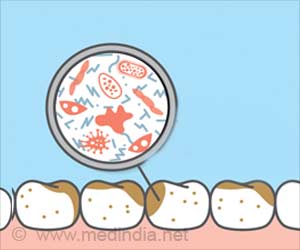
Periodontal Disease Control may Prevent Stomach Cancer
Stomach Cancer causing Precancerous Lesions Can Now Be Predicted By Elevated oral Pathogen Colonization And Lack Of Bacterial Diversity found a new study
Stomach Cancer causing Precancerous Lesions Can Now Be Predicted By Elevated oral Pathogen Colonization And Lack Of Bacterial Diversity found a new study
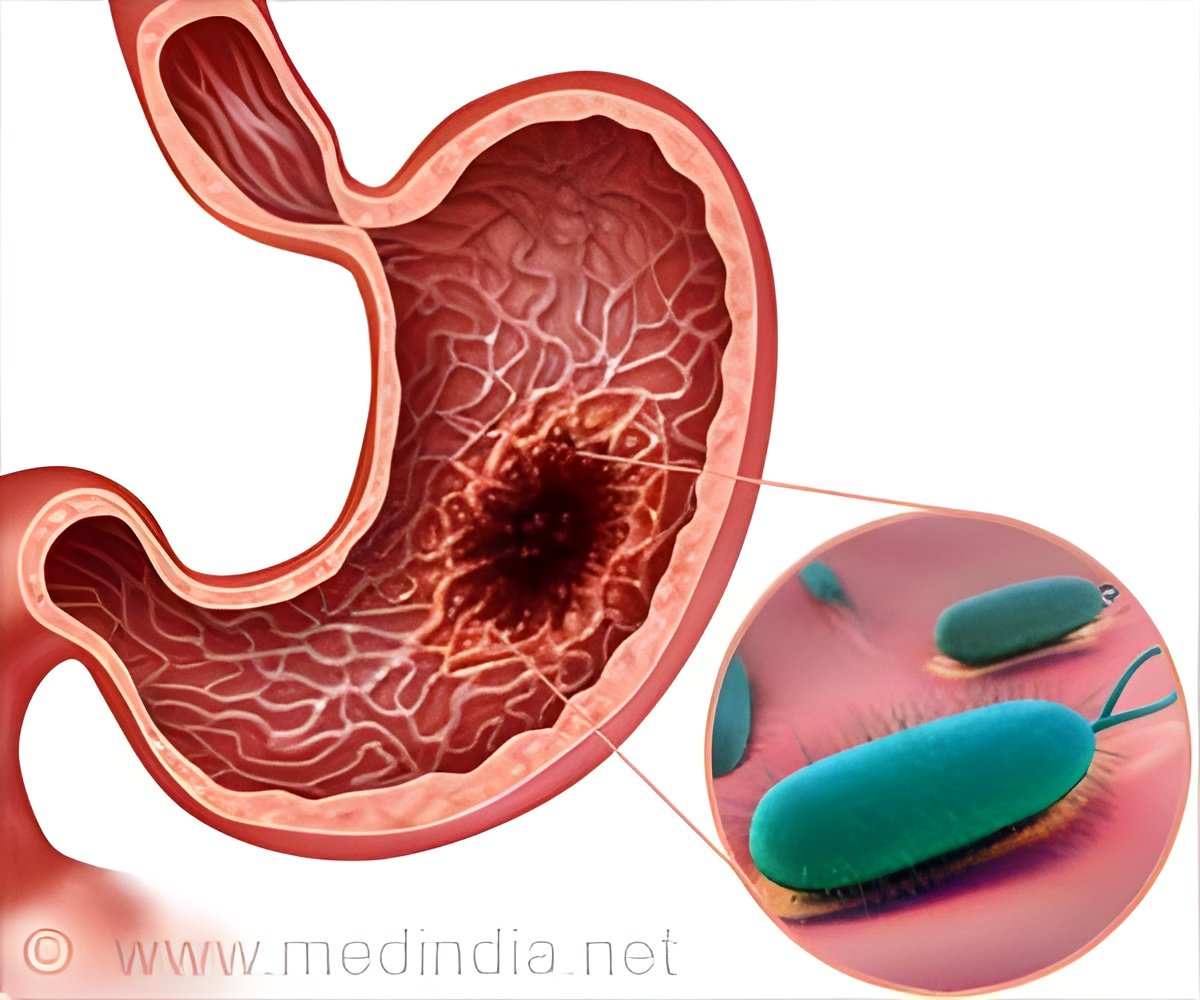
"We cannot change the genetic factors, but we can act on the unhealthy diet, obesity, and untreated Helicobacter pylori infection, which increase the risk of gastric cancer. Helicobacter infection can cause chronic inflammation and lesions that are precursors to gastric cancer but, once diagnosed, can be cured with a combination of antibiotics and drugs to reduce stomach acid," said Dienstmann.

How Does Helicobacter Pylori Bacteria Cause Stomach Cancer?
Nearly 750,000 patients die of stomach cancer every year. This stomach cancer is found to be mainly caused by Helicobacter pylori (H. pylori).
Nearly 750,000 patients die of stomach cancer every year. This stomach cancer is found to be mainly caused by Helicobacter pylori (H. pylori).
Following the latest research in Mexico, epidemiological and molecular studies are being conducted in Latin America and Europe to investigate the different molecular subtypes of gastric cancer in the regions and improve our understanding of risk factors in these populations.

New Graphene-based Biosensor Helps Detect Stomach-cancer Causing Bacteria
Scientists have created a graphene-based biosensor to detect stomach-cancer causing bacteria. When the bacteria interact with the biosensor, chemical reactions are triggered which are detected by the graphene.
Scientists have created a graphene-based biosensor to detect stomach-cancer causing bacteria. When the bacteria interact with the biosensor, chemical reactions are triggered which are detected by the graphene.
In the Mexican study, data from 2,022 patients with gastric adenocarcinoma diagnosed between 2004 and 2016 were analyzed, of whom 290 patients (14%) were under 40. Of these, 54% were women, and 46% were men. Women had higher levels of factors indicating poor prognosis than men: diffuse-type tumour (68% vs 32%; P=0.127), ring-seal cells (76% vs 69%; P=0.049), poorly-differentiated (89% vs 84%; P=0.014) and higher prevalence of stage IV disease (59% vs 41%; P=0.011).
Overall survival was a median of 7 versus 8 months for women and men respectively (P=0.03; hazard ratio (HR) 1.29; 95% CI, 1.05-1.65). Median overall survival was significantly worse in patients with tumors at the oesophagogastric junction: 7 vs 14 months (P=0.23; HR 0.68; 95% CI, 1.05-2.688) and more advanced disease: clinical-stages I-III, locally advanced and stage IV 33, 12, and 5 months, respectively (P=0.001; HR=2.28; 95% CI, 1.72-3.01). Independent predictors of overall survival were maintained in a Cox-Regression analysis: gender (P=0.038, HR 1.29, 95% CI 1.01-1.65), primary tumor (P=0.02, HR 1.68, 95% CI 1.05-2.68) and clinical-stage (P=0.001, HR 2.28, 95% CI 1.72-3.01).
Source-Eurekalert
 Email
Email