MEDINDIA
 English
 हिन्दी
 Español
 français
 中文
中文
Treating septic patients with intravenous vitamin C could lead to decreased mortality, quicker recovery, said study.

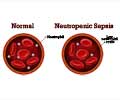
Neutropenic Sepsis | Chemotherapy-associated Infection
Neutropenic sepsis is a potentially life-threatening condition when a patient with low neutrophil counts develops an infection that spirals out of control if not treated urgently and is usually seen in cancer patients on chemotherapy.
Neutropenic sepsis is a potentially life-threatening condition when a patient with low neutrophil counts develops an infection that spirals out of control if not treated urgently and is usually seen in cancer patients on chemotherapy.
TOP INSIGHT

Intravenous vitamin C therapy reduced mortality in septic patients from 46% in the placebo group to almost 30% in the vitamin C group at day 28.
Designed to study the effect of vitamin C on organ failure, a common complication of sepsis that often leads to death, the CITRIS-ALI trial showed that patients receiving intravenous vitamin C spent significantly fewer days in the intensive care unit and in the hospital overall.
"We conducted this phase II, proof-of-concept trial to explore if vitamin C is a more effective therapy for organ failure than the current standard of care for sepsis," Fowler said. "We did not find evidence that vitamin C improves sepsis-related organ failure in this particular trial, but it significantly reduced how long patients were hospitalized."

Test Your Knowledge on Sepsis
Sepsis or septicemia occurs when the body responds in an exaggerated manner to infection resulting in bloodstream infection with severe tissue damage and multiple organ failure and death if not managed promptly. Take this quiz to test your knowledge on sepsis.
Sepsis or septicemia occurs when the body responds in an exaggerated manner to infection resulting in bloodstream infection with severe tissue damage and multiple organ failure and death if not managed promptly. Take this quiz to test your knowledge on sepsis.
Sepsis is a major contributor to disability, death and health care costs in the U.S. and worldwide. Patients with sepsis accounted for $23.7 billion in U.S. hospital costs in 2013 alone, according to the Agency for Healthcare Research and Quality.
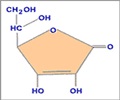
Vitamin C / Ascorbic acid-Toxicity-Supplements-Vitamin B6-Vitamin B9-Vitamin B12
Vital info about vitamin C, its molecular structure, dietary sources, beneficial aspects, symptoms of deficiency and toxicity, supplementation tips and related research news are discussed in detail
Vital info about vitamin C, its molecular structure, dietary sources, beneficial aspects, symptoms of deficiency and toxicity, supplementation tips and related research news are discussed in detail
A $3.2 million National Institutes of Health grant funded the clinical trial that involved 167 patients across seven enrollment sites, including the Cleveland Clinic, the Medical College of Wisconsin, the University of Kentucky and Emory University. It was the first randomized, double-blind, placebo-controlled multicenter trial related to vitamin C and its potential impact on sepsis and acute respiratory distress syndrome, a lung disease often associated with sepsis worldwide. The study was conducted from September 2014 to November 2017.

Vitamin C Helps ICU Patients Recover Faster
Administering about 4 grams of vitamin C to critically ill patients may increase their plasma vitamin C levels and reduce their length of stay in the intensive care unit (ICU).
Administering about 4 grams of vitamin C to critically ill patients may increase their plasma vitamin C levels and reduce their length of stay in the intensive care unit (ICU).
Source-Eurekalert
 Email
Email