MEDINDIA
 English
 हिन्दी
 Español
 français
 中文
中文
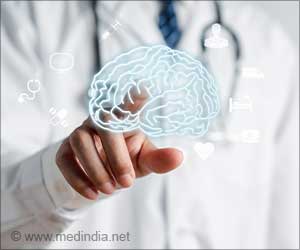
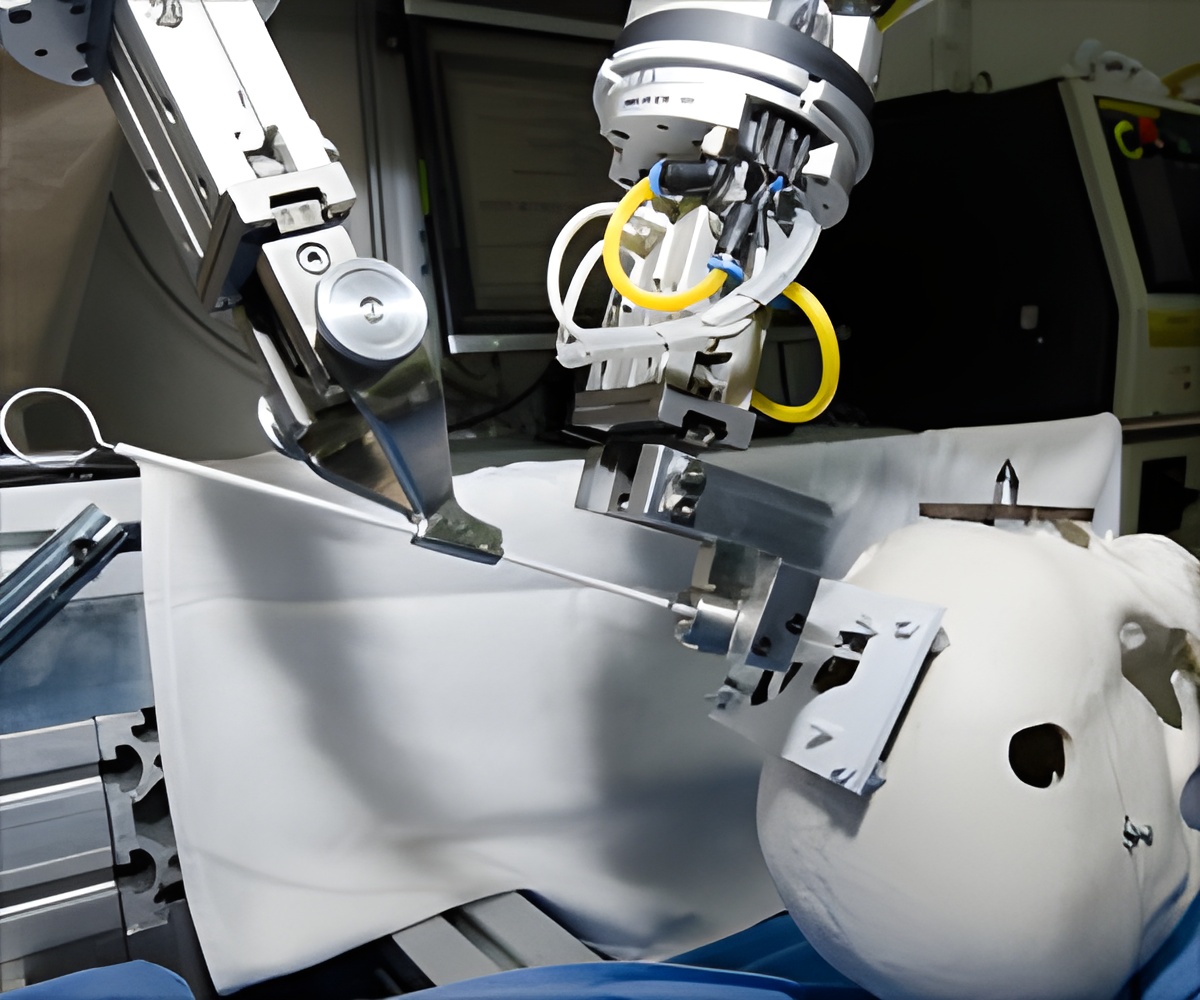
Use of socially assistive robots (SARs) in rehabilitation is increasing significantly because patients' rate of survival after diseases with severe functional deficits, such as a stroke, will increase.
How to Deal with a Stroke - Signs - Symptoms - Risk Factors - Prevention
Stroke is a brain attack, which occurs when the blood supply to the brain is interrupted. It affects all age groups; according to the WHO, 15 million people are affected by stroke annually.
Stroke is a brain attack, which occurs when the blood supply to the brain is interrupted. It affects all age groups; according to the WHO, 15 million people are affected by stroke annually.
TOP INSIGHT

Use of socially assistive robots (SARs) in rehabilitation is increasing significantly because patients' rate of survival after diseases with severe functional deficits, such as a stroke, will increase.
In addition, robots and patients can only interact well, the scientists explain, when they have shared goals that they pursue through the therapy. To achieve this, aspects of philosophical and developmental psychology must also be taken into account in the development of SARs: the ability of robots to recognize the aims and motives of a patient is a critical requirement if cooperation is to be successful. So there must also be trust for the participants to adapt to one another. The frustration felt by patients, for instance as a result of physical or linguistic limitations, would be avoided if the robots were adapted to the specific needs and vulnerabilities of the patient in question.
Philipp Kellmeyer and Oliver Müller are members of the Cluster of Excellence BrainLinks-BrainTools of the University of Freiburg. The study also involved Prof. Dr. Shelly Levy-Tzedek and Ronit Feingold-Polak from the Ben Gurion University of the Negev, Israel. In the 2018/19 academic year, the Freiburg researchers together with the legal academic Prof. Dr. Silja Vöneky and the IT specialist Prof. Dr. Wolfram Burgard, both from the University of Freiburg, are developing a Research Focus into normative aspects of interaction between people and autonomous intelligent systems at the Freiburg Institute for Advanced Studies (FRIAS).
Vestibular Rehabilitation Therapy - Indications, Assessment, Techniques and Exercises
Vestibular rehabilitation therapy is an exercise based program to ease symptoms related to vestibular disorders.
Vestibular rehabilitation therapy is an exercise based program to ease symptoms related to vestibular disorders.
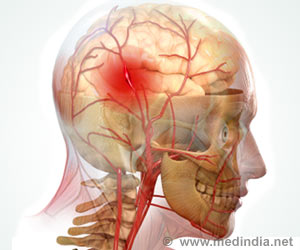
New Concepts and Approaches to the Rehabilitation of Stroke
The study explores novel concepts and approaches to the rehabilitation of stroke that will help point the direction for the next wave of neurorehabilitation research.
The study explores novel concepts and approaches to the rehabilitation of stroke that will help point the direction for the next wave of neurorehabilitation research.
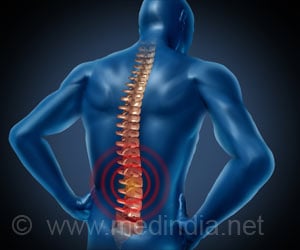
Mind Rehabilitation May Help Treat Patients With Spine Injury
Spinal cord injuries should be treated with mind rehabilitation in patients for a better outcome in treatment, study says.
Spinal cord injuries should be treated with mind rehabilitation in patients for a better outcome in treatment, study says.
 Email
Email