MEDINDIA
 English
 हिन्दी
 Español
 français
 中文
中文
Brain death disrupted the levels of important molecules in the body called S-nitrosothiols that control many functions like oxygen delivery and cell activity.

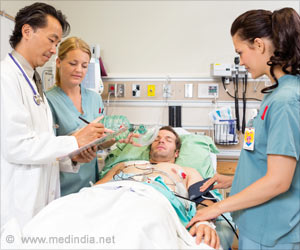
Some U.S. Hospitals Fail to Follow Brain Death Guidelines Properly
A new study shows that some hospitals have failed to adequately implement brain death guidelines created to reduce errors.
A new study shows that some hospitals have failed to adequately implement brain death guidelines created to reduce errors.
TOP INSIGHT

Treating brain dead organ donors with S-nitrosothiols (SNO) medication may help improve tissue function in subsequent transplant recipients.
"Transplantation saves lives," said Reynolds, "but a successful outcome is highly dependent upon the physiologic status of the donor. Brain death can disturb SNO functioning, which we believe is a major contributor to procurement rates of suitable organs as low as twenty percent from consented donors. This is a disheartening figure when one considers how much demand outstrips availability. Clearly, better methods are needed to support the donor after brain death, and we will be exploring one such option under this grant."
Using a drug that grew out of the pioneering work of Reynolds' colleague Jonathan Stamler, (director of the Case Institute for Transformative Molecular Medicine), the Reynolds team had previously found that SNO deficiency in animals could be reversed, improving oxygen delivery and reducing tissue injury. With the new funding, they will use additional animal models to examine if treating donors with their proprietary compound improves tissue function in subsequent transplant recipients.
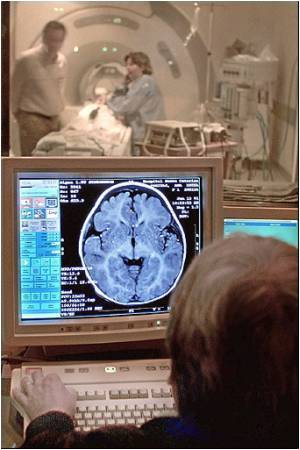
More Clarity and Direction Provided by New AAN Guideline on Determining Brain Death
The American Academy of Neurology has issued an updated guideline that provides doctors with a step-by-step process for determining brain death in adults.
The American Academy of Neurology has issued an updated guideline that provides doctors with a step-by-step process for determining brain death in adults.
There are about 1,700 US amputee service members and 600 with severe facial disfigurement as a result of the Afghanistan and Iraq conflicts. "While some individuals will opt for prosthesis and grafts of their own tissue, our goal is to present VCA as a safe, viable option for replacing limbs and aiding in correcting devastating facial and trunk damage," said Reynolds.
Organ Donation Should be Made Compulsory in India: Health Experts
Western countries have an aggressive approach towards organ donation. They permit organ donation by default unless the donor had opposed it during his lifetime.
Western countries have an aggressive approach towards organ donation. They permit organ donation by default unless the donor had opposed it during his lifetime.
"If our supposition holds true, we will find that muscle and tissue in human donors, not just animals, are also harmed by deficiencies in SNOs," said Reynolds. "If this is confirmed, in combination with positive results from our drug study in animals, support will be in place for a follow-on clinical trial with human VCA transplants. Then we could enact trials of the medication in standard organ transplantation as well. But for this to truly work, we need more organ donors along with these methods to increase the number of viable organs that can be obtained from currently consented donors."
Awareness on Cadaveric Organ Transplantation Must be Initiated: Experts
A general lack of positive attitude towards cadaveric organ transplantation, as it was a social and philosophical issue , was observed and the experts called for spreading awareness on the aspect.
A general lack of positive attitude towards cadaveric organ transplantation, as it was a social and philosophical issue , was observed and the experts called for spreading awareness on the aspect.
Source-Newswise
 Email
Email