MEDINDIA
 English
 हिन्दी
 Español
 français
 中文
中文
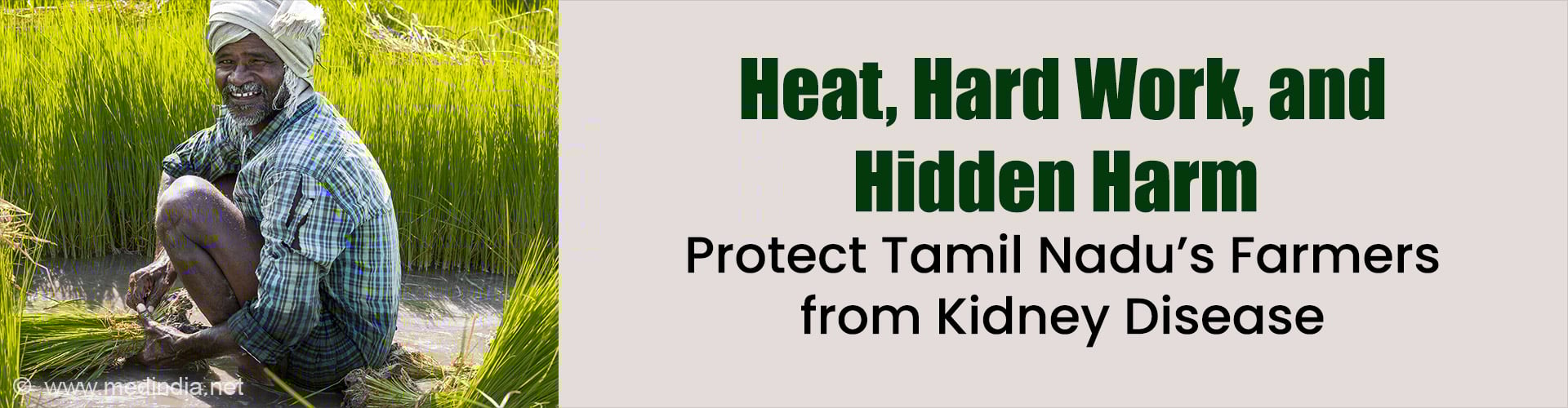
A silent epidemic of chronic kidney disease is devastating Tamil Nadu’s farmers, exposed to extreme heat, dehydration, and chemical hazards.
Highlights:
Chronic Kidney Disease (CKD) is fast emerging as one of the world’s biggest silent killers. It affects the efficiency with which the kidneys can filter the waste in the blood, and when left undiagnosed, may result in kidney failure that may require dialysis or transplant.
- CKD and CKDu are silently rising among Tamil Nadu’s farmers
- Extreme heat, dehydration, and tobacco use are major triggers
- Regular screening, hydration, and rest can save thousands of lives
Chronic Renal Failure - Symptoms, Diagnosis, Complications, Treatment, Prevention
Chronic renal failure or chronic kidney disease is progressive loss in kidney function. The change is irreversible and is due to loss of nephrons of the kidney.
Chronic renal failure or chronic kidney disease is progressive loss in kidney function. The change is irreversible and is due to loss of nephrons of the kidney.
TOP INSIGHT

Did You Know?
Farmers working over 24 hours a week in 38°C heat are twice as likely to develop #kidneydisease. #ckdu #tamilnadu #chronickidneydisease #ckd #lancet #medindia
CKDu Emerges Beyond Diabetes and Hypertension
Global CKD rates have risen dramatically over the last three decades. However, scientists are now becoming concerned with an even more mysterious form of kidney disease, CKD of uncertain origin (CKDu). Unlike regular CKD, which is induced by diabetes or high blood pressure, CKDu attacks otherwise healthy, hard-working adults, particularly in farming societies located in tropical areas. It began by attracting Central American sugarcane workers and got the geographical tag of Mesoamerican nephropathy before spreading to Sri Lanka, parts of India, and other Asian countries.The actual cause of CKDu is a mystery, although research has been carried out over the years. Scientists believe that it primarily attacks those who have been exposed to extreme heat and dehydration, as well as those who have been exposed to agricultural chemicals, a lethal combination for the kidneys (1✔ ✔Trusted Source
CKDu-AGRI Study-a population-based cross-sectional study of chronic kidney disease and chronic kidney disease of unknown aetiology among agricultural workers in Tamil Nadu, India
Go to source).
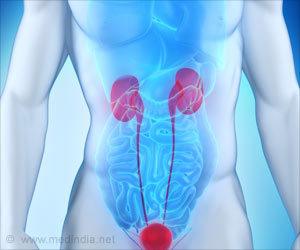
Chronic Kidney Disease (CKD) Cases to Hit 22.97M by 2033
Diagnosed prevalent cases of chronic kidney disease are projected to reach 22.97 million across the 7MM by 2033. This increase highlights the impact of CKD on global health.
Diagnosed prevalent cases of chronic kidney disease are projected to reach 22.97 million across the 7MM by 2033. This increase highlights the impact of CKD on global health.
India’s Own Battle with Chronic Kidney Disease
India, where agriculture employs millions, has begun witnessing similar patterns. National registries indicate that CKDu has recently become the cause of almost one in every five cases of chronic kidney disease. This disease has been detected in clusters in Andhra Pradesh, Odisha, and Tamil Nadu.This growing concern came to light through a new large-scale study conducted in Tamil Nadu between August and December 2023. Researchers surveyed 3,350 agricultural workers from different climatic zones—from the hot plains of Cuddalore to the cooler western regions—to estimate the burden and causes of CKD and CKDu in the state.
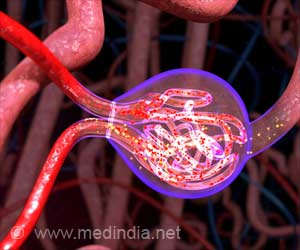
Kidney Function Calculators Not Completely Accurate in the Indian Population
Current creatinine-based calculations of the glomerular filtration rate (eGFR) may provide inaccurate results in the predominantly vegetarian Indian population.
Current creatinine-based calculations of the glomerular filtration rate (eGFR) may provide inaccurate results in the predominantly vegetarian Indian population.
Farmers in Tamil Nadu’s Northeastern and Southern Zones were the Hardest Hit
The outcome was unexpected.- Overall, 5.31% of agricultural workers had CKD.
- The prevalence of CKDu was about 2.66%, and there was no link between kidney disease and diabetes or high blood pressure.
- Most affected areas: North-eastern and southern zones of Tamil Nadu
- Silent nature: Most people showed no symptoms, making it a hidden epidemic
Interestingly, a group of farmers was found to have temporary kidney damage (subclinical AKI), which later recovered in the study. The researchers believe that this unnoticed, repeated kidney stress caused by dehydration and heat exposure may eventually lead to CKD.

Daily Water Intake
Calculate how much glasses of water you need to drink each day to avoid dehydration using this daily water intake calculator.
Calculate how much glasses of water you need to drink each day to avoid dehydration using this daily water intake calculator.
Chronic Kidney Disease Connection to Extreme Heat
The climate of Tamil Nadu is regarded as an important concern behind this. Advanced heat-stress modelling helped scientists discover that most farming areas were exposed to temperatures above 38°C and that temperatures exceeded 38°C for more than four hours per day during the so-called second summer in August. These are referred to as extreme heat stress conditions.Farmers who worked outside for more than 24 hours per week in such weather conditions were nearly twice as likely to develop kidney problems. In addition to manual labour and inadequate rest and hydration, the kidneys are overworked, resulting in gradual and irreversible damage.
Chronic Kidney Disease Link with Lifestyle and Social Factors
Education, or rather the lack of it, emerged as another major factor. Non-schooled farmers were three times more likely to have CKD than graduates. Awareness of safe water, hygiene, and healthy working practices is usually determined through education.Another unanticipated culprit was the use of smokeless tobacco. Farmers usually chew tobacco, commonly to quench hunger or exhaustion from long working hours. However, nicotine in tobacco impacts blood vessels, decreases the flow of renal blood, and harms the kidneys' delicate filters.
Diabetes, high blood pressure, anemia, and kidney stones were all contributing factors in some cases, and when these factors are combined with the physical demands of farm work, CKD is more likely to occur.
Beware of Chronic Kidney Disease Without Pain Until It’s Too Late
The fact that CKD and CKDu are silently progressive is one of the biggest challenges to the disease. The majority of the sufferers do not develop any discomfort until severe destruction of the kidneys occurs. Symptoms, such as frequent urination at night, swollen feet, or fatigue, appear later.This is why routine screening and awareness are essential. Blood and urine sampling can detect even minor kidney damage before symptoms appear, giving doctors the opportunity to slow or even prevent disease progression.
Tamil Nadu’s Farmers Are In Need of Protection From Chronic Kidney Disease!
This research in Tamil Nadu is a call to action for the health officers and policymakers. In order to protect farmers, the specialists suggest:- Periodic screening of the health of the kidneys of agricultural employees.
- Availability of safe drinking water in farmlands.
- Planned rest and water breaks in the hot seasons.
- Lifestyle risk and safe pesticide education.
- Heat protection policies, including shaded shelters and protective gear.
Act Against Chronic Kidney Disease Before It’s Too Late
According to the new study, chronic kidney disease is no longer a disease of the cities but rather a silent killer of rural India's farming community. This is a silent epidemic that is being driven by long working hours in the blazing sun, lack of hydration, tobacco use, and poor access to health.Working under safe conditions, early testing, and raising awareness will help to protect thousands of people from this hidden danger in the fields that threatens their health and livelihoods!
Reference:
- CKDu-AGRI Study-a population-based cross-sectional study of chronic kidney disease and chronic kidney disease of unknown aetiology among agricultural workers in Tamil Nadu, India - (https://www.thelancet.com/journals/lansea/article/PIIS2772-3682(25)00154-4/fulltext)
Source-Medindia
 Email
Email