MEDINDIA
 English
 हिन्दी
 Español
 français
 中文
中文
One of the most common lifestyle diseases today, hypertension affects every third person in the country and it can trigger heart failure slowly over time.
The Need for Gender-Specific Treatments for Hypertension
High blood pressure can cause serious problems and there are marked gender differences in what drives blood pressure in middle-age and adulthood.
High blood pressure can cause serious problems and there are marked gender differences in what drives blood pressure in middle-age and adulthood.
TOP INSIGHT

Some types of hypertension can be managed through lifestyle and dietary choices, such as engaging in physical activity, reducing alcohol and tobacco use, and avoiding a high-sodium diet.
The symptoms of heart failure include shortness of breath (dyspnea) after exertion, fatigue and weakness, edema, rapid or irregular heartbeat, reduced ability to exercise, persistent cough or wheezing with white or pink blood-tinged phlegm, increased need to urinate at night, sudden weight gain, lack of appetite and nausea, and decreased alertness. If you notice any of these symptoms, it is important to seek help. Adding further, Dr Tripathi, said, "Heart failure generally begins with the left side, specifically the left ventricle - the heart's main pumping chamber. 'Ejection fraction' is a term used in connection with heart failure. It refers to the amount of blood pushed out of the left ventricle every time the heart beats. It's usually expressed as a percentage."
"A normal ejection fraction is around 50% to 65%, as there is always some blood left in the heart after each heartbeat. Some people with heart failure have a normal ejection fraction, so this criterion is used alongside other tests to help diagnose heart failure. Certain blood pressure medicines can help treat heart failure. Some examples include diuretics which help in reducing fluid buildup. ACE inhibitors and angiotensin receptor blockers can also help."

Young Adult Men At Higher Risk Of Hypertension Than Women
Young men who are at risk of hypertension are unaware of their condition mainly due to lack of regular health check up.
Young men who are at risk of hypertension are unaware of their condition mainly due to lack of regular health check up.
Cut smoking: Smoking damages the blood vessels, raises blood pressure, reduces the amount of oxygen in your blood, and makes your heart beat faster. Consider quitting the habit right away.
New Guidelines Help Treat Hypertension in Kids, Teens More Effectively
The new recommendations for identifying and treating hypertension in children and adolescents were developed through harmonization with new adult guidelines.
The new recommendations for identifying and treating hypertension in children and adolescents were developed through harmonization with new adult guidelines.
Eat a healthy diet: Consume fruits and vegetables, whole grains, fat-free or low-fat dairy products, and lean proteins. Restrict the salt in your diet. Limit fats and cholesterol. A diet high in fat and cholesterol can contribute to heart failure.
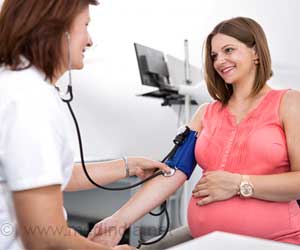
Hypertension During Pregnancy Increases Heart Disease Risk
Would-be-mothers, please take note! Women who experience hypertension during pregnancy face an increased risk of heart disease and hypertension later in life.
Would-be-mothers, please take note! Women who experience hypertension during pregnancy face an increased risk of heart disease and hypertension later in life.
Source-ANI
 Email
Email