MEDINDIA
 English
 हिन्दी
 Español
 français
 中文
中文
Can Traditional Chinese Medicine complement cancer treatment with natural, holistic care?
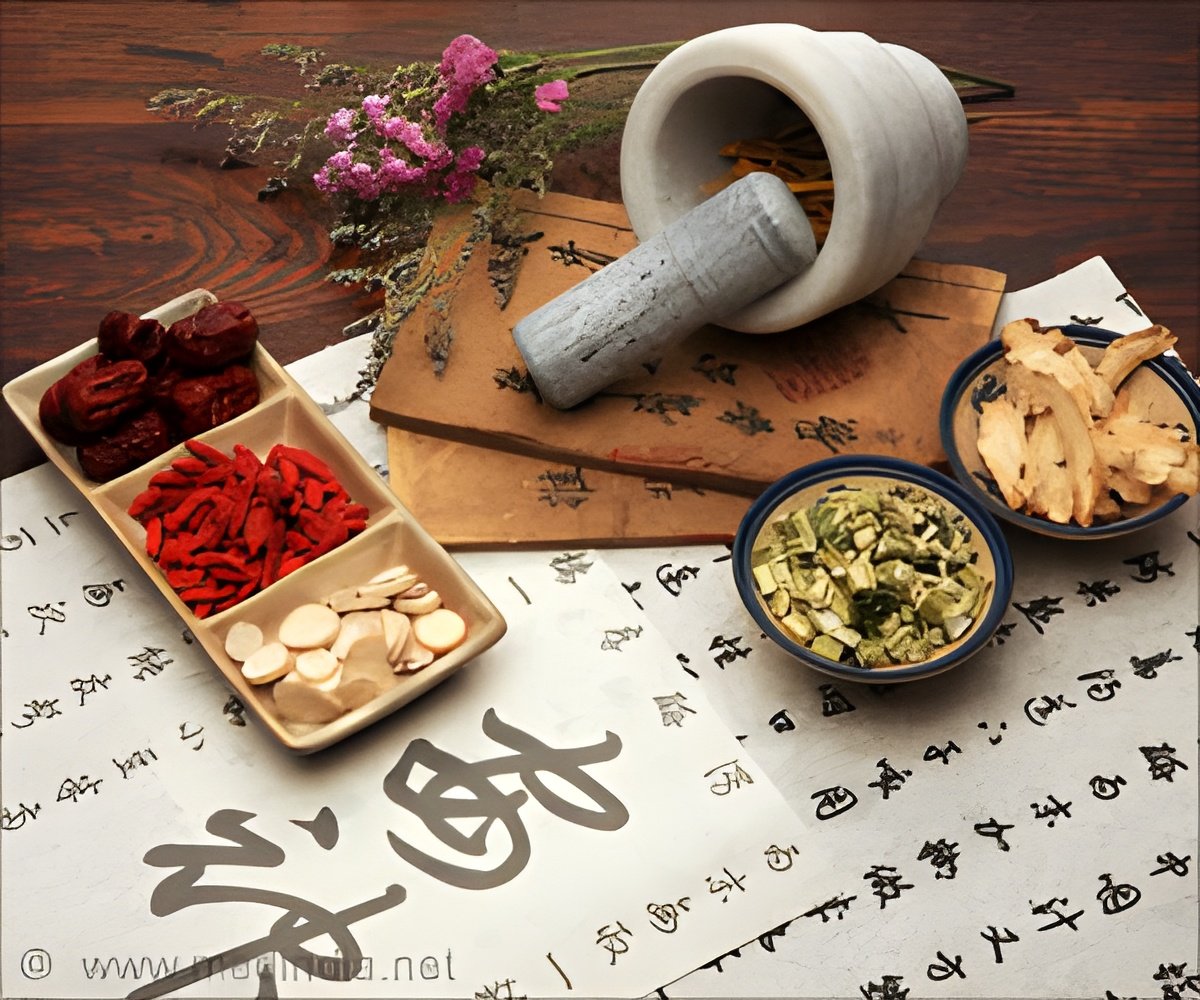
Use of Traditional Chinese Medicine in Chinese Patients with Cancer Receiving Outpatient Care: Primary Reasons and Communication with Oncologists
Go to source). A consecutive sample of 287 outpatients with cancer was recruited. Sociodemographic and clinical data, TCM usage, primary reasons for adopting TCM, and communication about TCM with oncologists were collected. Descriptive statistics, binary logistic regression, and thematic analysis were used to analyze the data.
Diet for Cancer Patients during Chemotherapy
Consuming a nutrient-rich, balanced diet during chemotherapy is essential to preserve immunity, prevent treatment-related complications, and enhance recovery.
Consuming a nutrient-rich, balanced diet during chemotherapy is essential to preserve immunity, prevent treatment-related complications, and enhance recovery.
TOP INSIGHT

Beyond #chemo & #radiation? In #China, Traditional #Chinese_Medicine is a significant part of #cancer_treatment. #TCM #CancerCare #naturalmedicine
Why Choose TCM for Cancer? Five Key Patient Motivations
Patients' primary reasons for choosing TCM fell into five main categories:- Belief in the benefits of TCM itself,
- Recommendations from others (family, friends, or oncologists),
- Belief in the benefits of combining TCM with Western medicine (WM),
- Previous positive experiences with TCM, and
- Dissatisfaction with or intolerance to WM.
The primary reasons patients used TCM were the perceived benefits and recommendations from oncologists and family members.
To enhance patient care, Chinese healthcare providers should receive training to better understand patients’ beliefs and cultural practices, enabling more personalized and culturally sensitive care. Western oncology practitioners must also understand the prevalence and motivations behind the use of TCM among Chinese immigrant patients.
Foods that Fight Cancer
A plateful of fresh fruits and vegetables, whole grains and legumes is the best diet to fight most types of cancer. Avoid meat and saturated fats.
A plateful of fresh fruits and vegetables, whole grains and legumes is the best diet to fight most types of cancer. Avoid meat and saturated fats.
Addressing communication gaps through patient education programs is critical. These programs should emphasize the importance of disclosing TCM use to oncologists, thereby minimizing the risks associated with uncoordinated care. Oncologists should also be equipped to address misconceptions about TCM in a manner that respects its cultural significance, promoting a respectful and holistic approach to patient care.

Lifetime Risk Calculator for Cancers
What are your chances for developing some common cancers in your lifetime - find out now.
What are your chances for developing some common cancers in your lifetime - find out now.
Reference:
- Use of Traditional Chinese Medicine in Chinese Patients with Cancer Receiving Outpatient Care: Primary Reasons and Communication with Oncologists - (https://www.xiahepublishing.com/2835-6357/FIM-2025-00006)
Source-Eurekalert
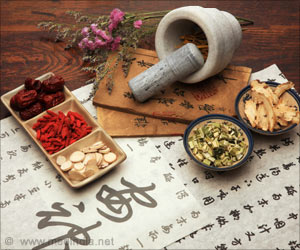
Traditional Chinese Medicine Improves Cancer Treatment
Developing drugs based on traditional Chinese medicine could help improve the quality of life and reduce the mortality of nasopharyngeal carcinoma (NPC) patients.
Developing drugs based on traditional Chinese medicine could help improve the quality of life and reduce the mortality of nasopharyngeal carcinoma (NPC) patients.
 Email
Email