MEDINDIA
 English
 हिन्दी
 Español
 français
 中文
中文
Working for organizations that have toxic work environment can increase the risk of depression by threefold.


World Mental Health Day: Mental Health in the Workplace
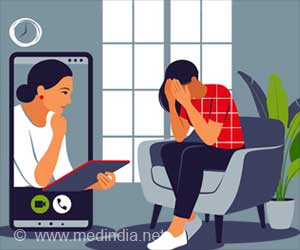
World Mental Health Day focuses on improving mental health at the workplace. The day urges employers to design initiatives that improve well-being of employees
World Mental Health Day focuses on improving mental health at the workplace. The day urges employers to design initiatives that improve well-being of employees
TOP INSIGHT

Low psychosocial safety climate (PSC) is an important predictor of bullying and emotional exhaustion at workplace. When a company is concerned of their employees mental health, bullying can be prevented.
"Evidence shows that companies who fail to reward or acknowledge their employees for hard work, impose unreasonable demands on workers, and do not give them autonomy, are placing their staff at a much greater risk of depression," Zadow said.
While enthusiastic and committed workers are valued, working long hours can lead to depression, affecting an estimated 300 million people worldwide. Men are also more likely to become depressed if their workplace pays scant attention to their psychological health.

Workplace Factors That Affect Women�s Ability to Conceive
A woman’s ability to conceive can be affected by the kind of work she does, and also shift patterns, finds a recent study.
A woman’s ability to conceive can be affected by the kind of work she does, and also shift patterns, finds a recent study.
A separate paper co-authored by internationally renowned expert on workplace mental health, ARC Laureate Professor Maureen Dollard and published in the European Journal of Work and Organizational Psychology earlier this month, found that low psychosocial safety climate (PSC) was an important predictor of bullying and emotional exhaustion.

Stress At Workplace Contributes to Increased Risk of Cardiovascular Disease
Work environment which demands low job control, effort-reward imbalance, job insecurity and long hours can be stressful, leading to hypertension and heart disease.
Work environment which demands low job control, effort-reward imbalance, job insecurity and long hours can be stressful, leading to hypertension and heart disease.
"We also found that bullying in a work unit can not only negatively affect the victim, but also the perpetrator and team members who witness that behaviour. It is not uncommon for everyone in the same unit to experience burnout as a result.

Role of Workplace Adjustments in Preventing Musculoskeletal Disorders (MSDs)
Musculoskeletal disorders (MSDs) are the primary cause of painful, disabling musculoskeletal pain and injuries. Most MSDs are work-related occurring in the workplace.
Musculoskeletal disorders (MSDs) are the primary cause of painful, disabling musculoskeletal pain and injuries. Most MSDs are work-related occurring in the workplace.
Source-IANS
 Email
Email