MEDINDIA
 English
 हिन्दी
 Español
 français
 中文
中文
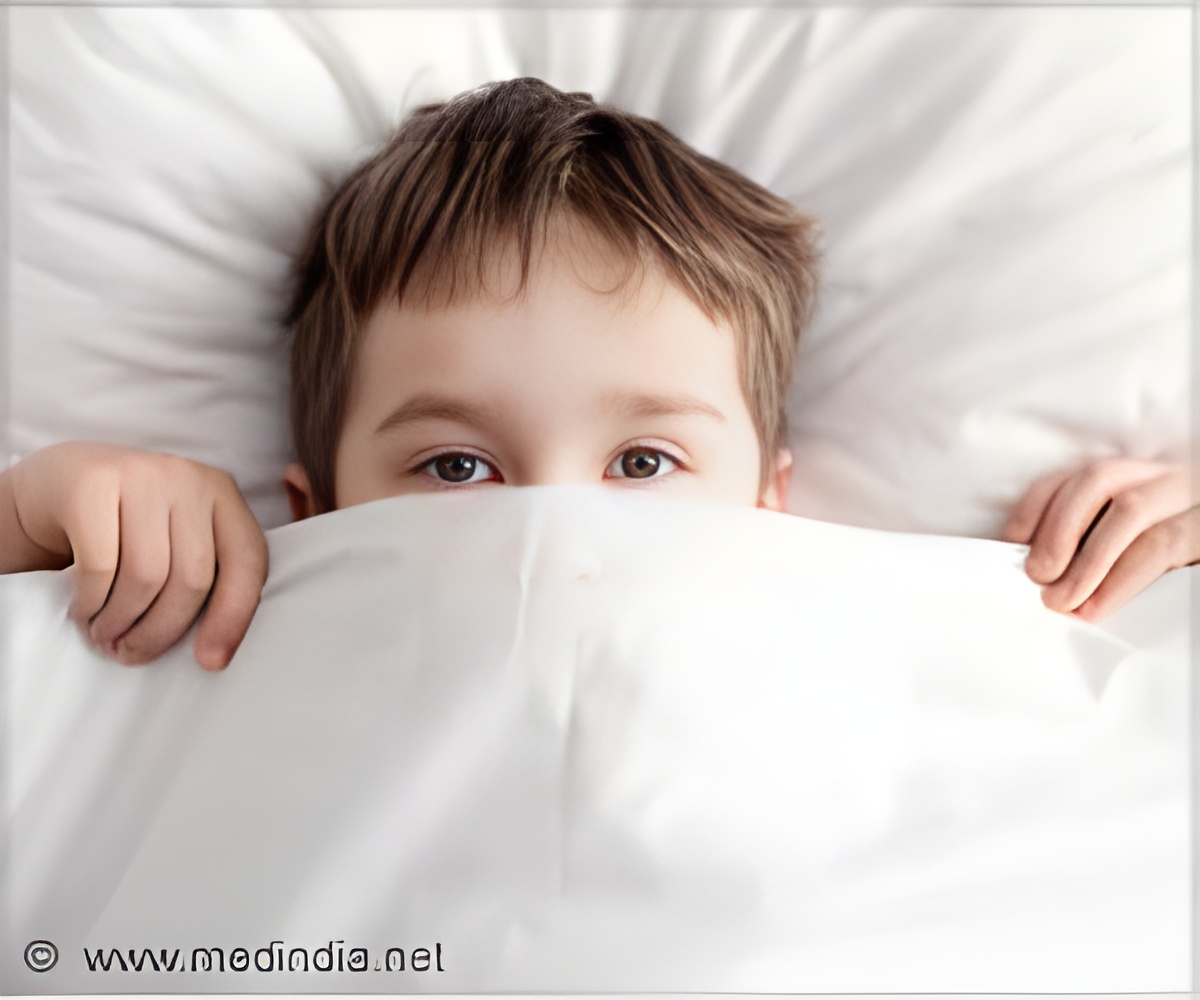
Children with sleep apnea are more likely to develop hypertension in their teenage. However, the sleep disorder can be treated easily if diagnosed earlier.
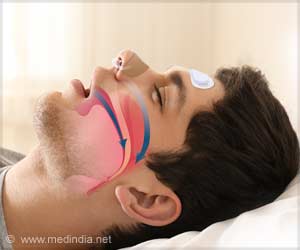
Sleep Apnea Linked With Higher Levels Of Inflammation
Inflammation, thought of as a symptom of sleep apnea could precede the disorder and potentially open the door for novel ways of treating sleep apnea.
Inflammation, thought of as a symptom of sleep apnea could precede the disorder and potentially open the door for novel ways of treating sleep apnea.
TOP INSIGHT

Persistent sleep apnea in kids is a critical sleep disorder that might impair their growth and development. Children with sleep apnea are three times more likely to develop adolescent hypertension in the future than their normal counterparts.
Monitoring the sleep disorder
At the start of this study, the researchers enrolled 700 children aged 5 to 12 years and monitored them in a sleep lab. Then they conducted a follow-up study after about seven years with 421 participants in their adolescent period.
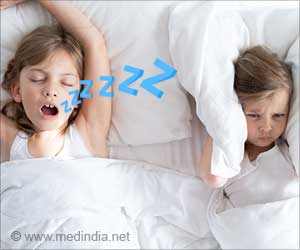
Snoring in Children Linked to Brain Changes
Children who snore with loud noise at least three nights per week are more likely to developbehavioral problems and learning disabilities.
Children who snore with loud noise at least three nights per week are more likely to developbehavioral problems and learning disabilities.
Risk of hypertension

Hypertension: Regular Exercise Helps Control Blood Pressure Rise
Engaging in regular exercise is a safe approach for people living in relatively polluted regions. Air pollution increases the risk of cardiovascular diseases and death.
Engaging in regular exercise is a safe approach for people living in relatively polluted regions. Air pollution increases the risk of cardiovascular diseases and death.
Further data analyses showed that these teens were also more likely to develop orthostatic hypertension, a condition in which blood pressure increases once when an individual takes an upright posture like standing.

Quiz on Obstructive Sleep Apnea
Do you feel sleepy all day despite sleeping normal hours? One of the possible reasons for this sleepiness could be obstructive sleep apnea. Test your knowledge on obstructive sleep apnea by taking this quiz.
Do you feel sleepy all day despite sleeping normal hours? One of the possible reasons for this sleepiness could be obstructive sleep apnea. Test your knowledge on obstructive sleep apnea by taking this quiz.
Mild pediatric sleep apnea can be treated if diagnosed earlier. In some cases, surgical removal of tonsils and large adenoids might be recommended.
Source-Medindia
 Email
Email