MEDINDIA
 English
 हिन्दी
 Español
 français
 中文
中文
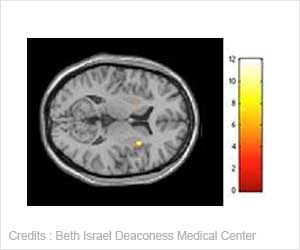
The spread of tau protein may explain why only one area of the brain is affected in the early stages of Alzheimer's but progresses with the disease.
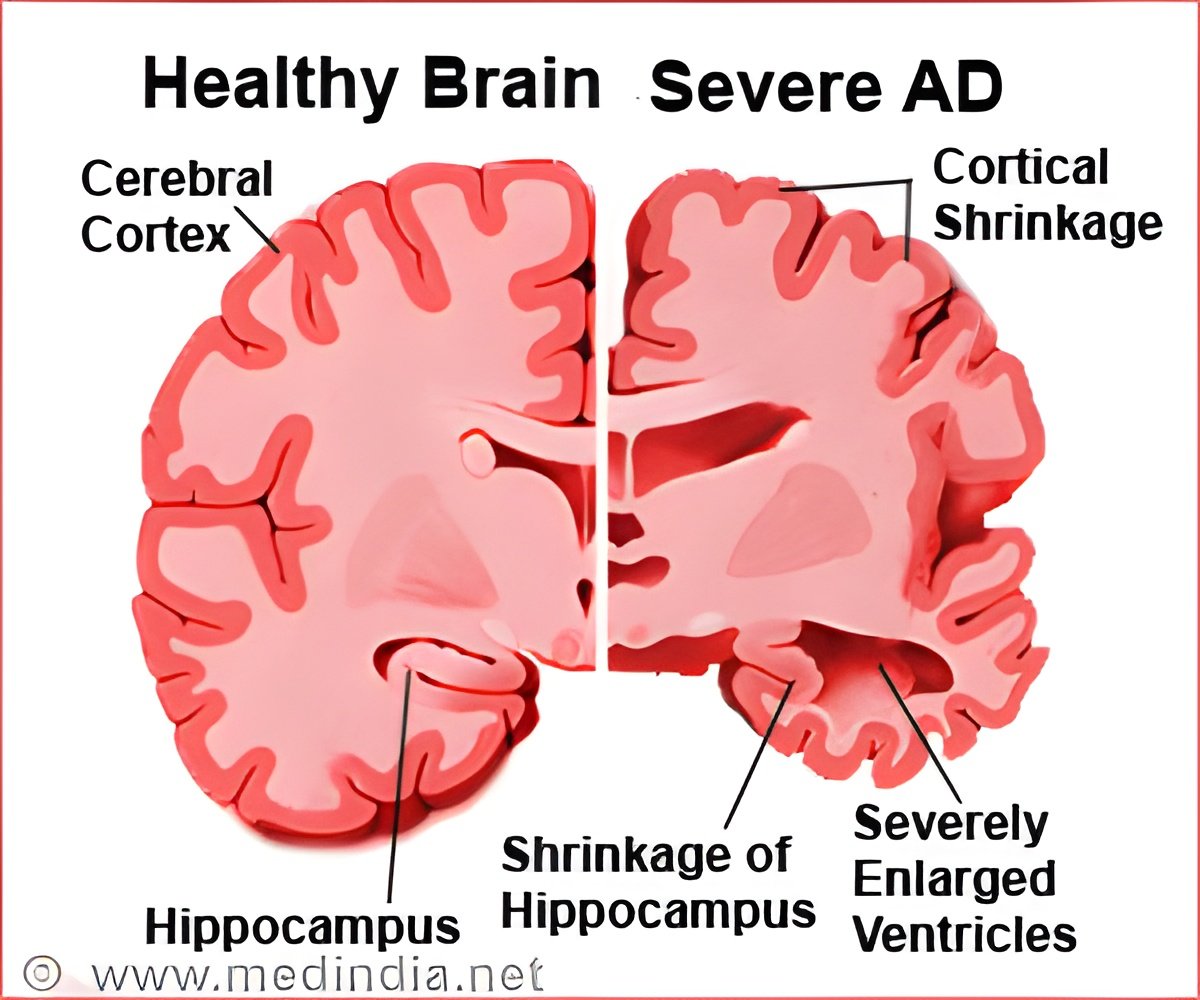

Alzheimer’s disease - Causes, Symptoms, Diagnosis, Stages, Types, Prevention, Prognosis & Treatment
Alzheimer's disease is a progressive neurodegenerative disease affecting memory and thinking and making the person increasingly dependent on others.
Alzheimer's disease is a progressive neurodegenerative disease affecting memory and thinking and making the person increasingly dependent on others.
TOP INSIGHT

When tau is released into the extracellular space by which it spreads, it would be much easier to target the protein with therapeutic agents, such as antibodies.
The idea the Alzheimer's can spread through the brain first gained support a few years ago when Duff and other Columbia researchers discovered that tau spread from neuron to neuron through the brains of mice.
In the new study, lead scientist Jessica Wu, PhD, a former post-doctoral researcher at the Taub Institute who is currently at Massachusetts Institute of Technology, discovered how tau travels by tracking the movement of tau from one neuron to another. Tau, she found, can be released by neurons into extracellular space, where it can be picked up by other neurons. Because tau can travel long distances within the neuron before its release, it can seed other regions of the brain.

Risk Factors for Alzheimers Disease
Cognitively normal adults exhibiting atrophy of their temporal lobe or damage to blood vessels in the brain are more likely to develop Alzheimer’s disease.
Cognitively normal adults exhibiting atrophy of their temporal lobe or damage to blood vessels in the brain are more likely to develop Alzheimer’s disease.
A second interesting feature of the study is the observation that the spread of tau accelerates when the neurons are more active. Two team members, Abid Hussaini, PhD, and Gustavo Rodriguez, PhD, showed that stimulating the activity of neurons accelerated the spread of tau through the brain of mice and led to more neurodegeneration.

Young Blood to Cure Decline of Aging Brain
A research showed that injections of juvenile mouse blood boosts learning and memory in older rodents, findings that hold the long-sought cure for the decline of ageing brain.
A research showed that injections of juvenile mouse blood boosts learning and memory in older rodents, findings that hold the long-sought cure for the decline of ageing brain.

Diseases Related to Old Age
Ageing is referred to the accumulation of changes that brings a person closer to death.
Ageing is referred to the accumulation of changes that brings a person closer to death.
 Email
Email