MEDINDIA
 English
 हिन्दी
 Español
 français
 中文
中文
Scientists explain what happens in the brain when we have bad experiences with food.

How Does Wine Protect the Neurons From Parkinson�s Disease?
Food compounds in wine are responsible for this health benefit in protecting against the onset of neurodegenerative diseases.
Food compounds in wine are responsible for this health benefit in protecting against the onset of neurodegenerative diseases.
TOP INSIGHT

Aversive conditioning to bad food leads to our reluctance to eat that food again.
Read More..
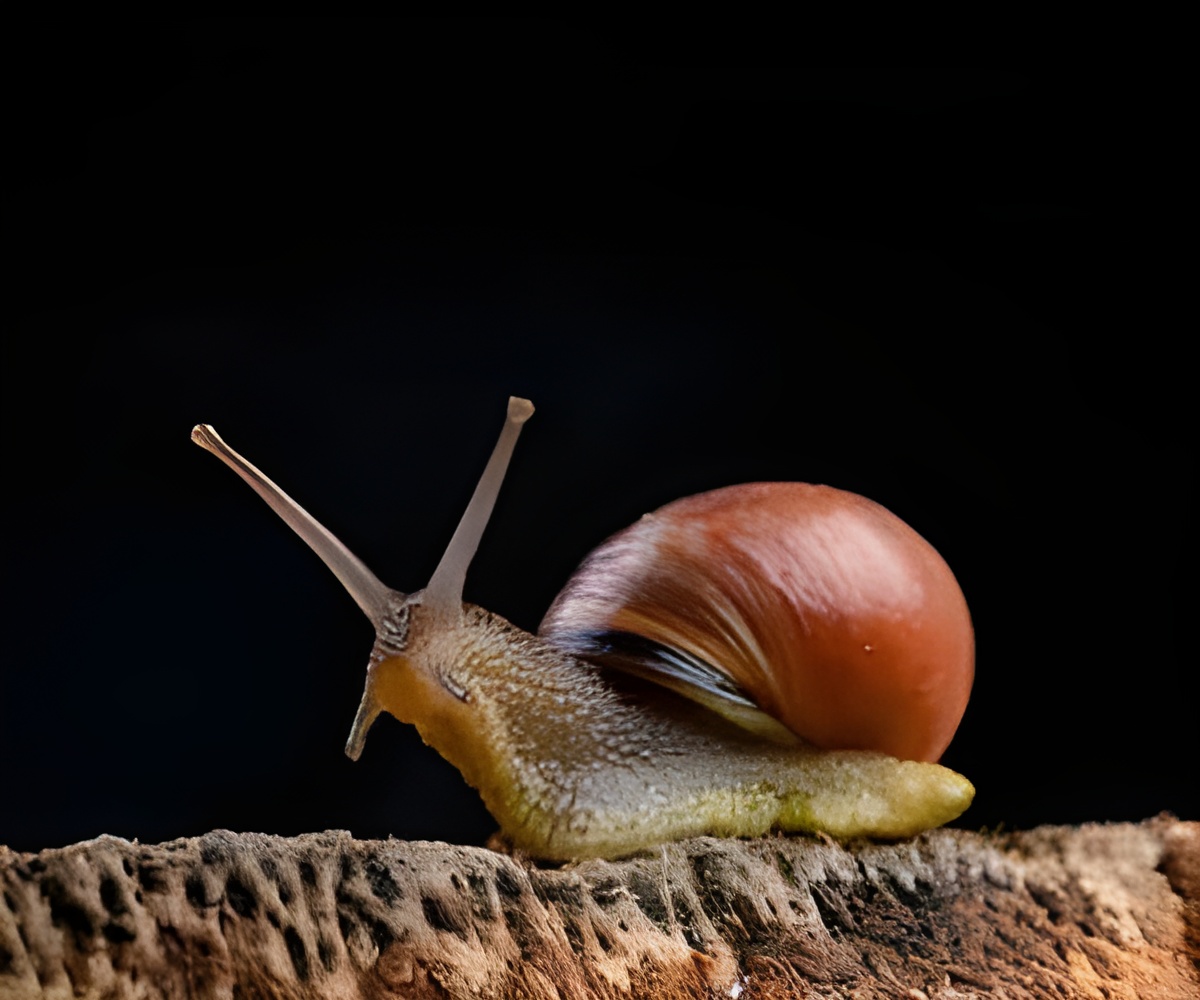
Dr. Ildiko Kemenes led the research team, who discovered a neuronal mechanism that reversed the snails' usual response to sugar after conditionally training them.
She explains that a neuron in the snail's brain normally suppresses the feeding circuit, and this network is prone to pontaneously activate, even in the absence of any food. She adds that stopping the circuit ensures that the snail doesn't eat everything and anything. But in the presence of sugar, this neuron becomes inhibited, and feeding commences.

Folic Acid Could Help Preserve Neurons in Parkinson�s Disease Victims
People with certain forms of early-onset Parkinson's disease could potentially benefit from taking a medication used to treat certain forms of cancer.
People with certain forms of early-onset Parkinson's disease could potentially benefit from taking a medication used to treat certain forms of cancer.
When presented with a piece of cucumber instead, the team found that the trained snails were happy to eat it. This showed that the aversive stimulus (the taps) were associated with only the particular type of food they were trained to reject.
Seafood Allergies - Symptoms, Diagnosis & Treatment
Seafood allergy is the adverse response of the body’s immune system to the proteins present in fish and shelled fish such as crab, lobster, clams.
Seafood allergy is the adverse response of the body’s immune system to the proteins present in fish and shelled fish such as crab, lobster, clams.
The negative experience of the snail with the sugar could be compared to humans eating a bad dish.
Dopamine Brain Reward Molecule can Also Help in Learning to Avoid Unpleasant Experience
The brain chemical dopamine regulates how mice learn to avoid a disagreeable encounter, suggested a new research from the University of Pennsylvania.
The brain chemical dopamine regulates how mice learn to avoid a disagreeable encounter, suggested a new research from the University of Pennsylvania.
Results also showed that when the neuron was removed entirely from trained snails, they started eating sugar again.
Kemenes says, "However, we cannot rule out that the sugar-activated sensory pathway also undergoes some changes, so we don't assume that this is all that's happening in the brain."
Source-Medindia
 Email
Email