MEDINDIA
 English
 हिन्दी
 Español
 français
 中文
中文
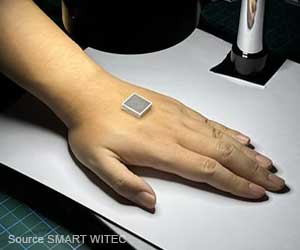
Researchers from all over the world have access to HYSETS, a database of hydrometric data created at École de technologie supérieure (ÉTS), to note the results of climate change on regional water resources.

Radiosurgery | Stereotactic Ablative Radiotherapy (SABR) | Stereotactic Radiosurgery (SRS)
Radiosurgery, also called Stereotactic Radiosurgery (SRS), is a procedure that uses a beam of radiation to treat cancer of the brain, spinal cord and other parts of the body using a Gamma Knife® or CyberKnife®. Radiosurgery can be carried out by a linear accelerator (LINAC), which uses CyberKnife® or TrueBeam® radiotherapy systems. Other radiotherapy technologies include Gamma Knife® and Proton therapy.
Radiosurgery, also called Stereotactic Radiosurgery (SRS), is a procedure that uses a beam of radiation to treat cancer of the brain, spinal cord and other parts of the body using a Gamma Knife® or CyberKnife®. Radiosurgery can be carried out by a linear accelerator (LINAC), which uses CyberKnife® or TrueBeam® radiotherapy systems. Other radiotherapy technologies include Gamma Knife® and Proton therapy.
TOP INSIGHT

The HYSETS database can be used as a test environment for a wide range of applications, including hydrological modeling. Owing to multiple datasets on temperatures and precipitation, the database can assist in rectifying biases in worldwide and regional climate models.
"Normally, we have to draw the data we need from several different databases, then filter them before being able to use them to create a reliable model. This task must be repeated each time we want to create a model. We thought it would be a good idea to create a huge database with ready-to-use data that could serve the entire scientific community," explained Richard Arsenault.
While most current datasets are based on a sample of around 800 watersheds, HYSETS consider 14,425. As for the few databases of greater size which include up to 30,000 watersheds, their defect is they contain only a single category of data.
Radiotherapy - Background
A detailed account of radiation, its mode of action, side effects and dosage in the treatment of cancer.
A detailed account of radiation, its mode of action, side effects and dosage in the treatment of cancer.
It can also be noted that the HYSETS data covers a long period of time, from 1950 to 2018. The database will be augmented annually with data from the previous year. This will make it highly useful for studying past and more recent changes in hydroclimatic variables across different regions of North America.
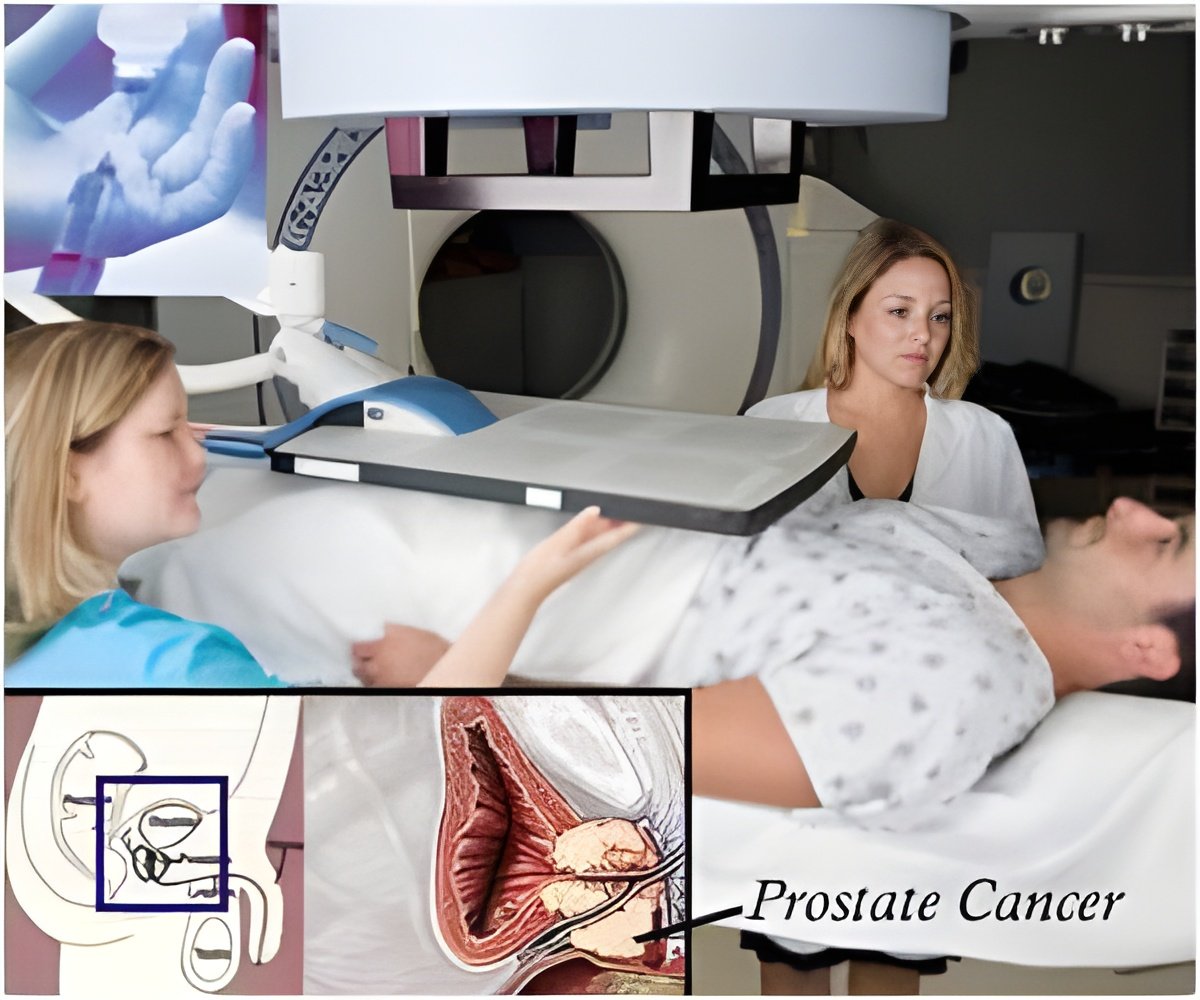
External Beam Radiation Therapy for Prostate Cancer
In depth information about various types of external beam radiotherapy for treatment of prostate cancer. Radiotherapy is an alternative to surgical treatment such as radical prostatectomy.
In depth information about various types of external beam radiotherapy for treatment of prostate cancer. Radiotherapy is an alternative to surgical treatment such as radical prostatectomy.
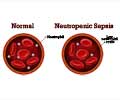
Neutropenic Sepsis | Chemotherapy-associated Infection
Neutropenic sepsis is a potentially life-threatening condition when a patient with low neutrophil counts develops an infection that spirals out of control if not treated urgently and is usually seen in cancer patients on chemotherapy.
Neutropenic sepsis is a potentially life-threatening condition when a patient with low neutrophil counts develops an infection that spirals out of control if not treated urgently and is usually seen in cancer patients on chemotherapy.
 Email
Email





![Prostate Specific Antigen [PSA]](https://www.medindia.net/images/common/patientinfo/120_100/prostate-specific-antigen.jpg "Prostate Specific Antigen [PSA]")