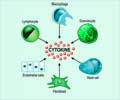
The link between immune function and osteoarthritic pain and progression has been identified by recent research at the McMaster University.
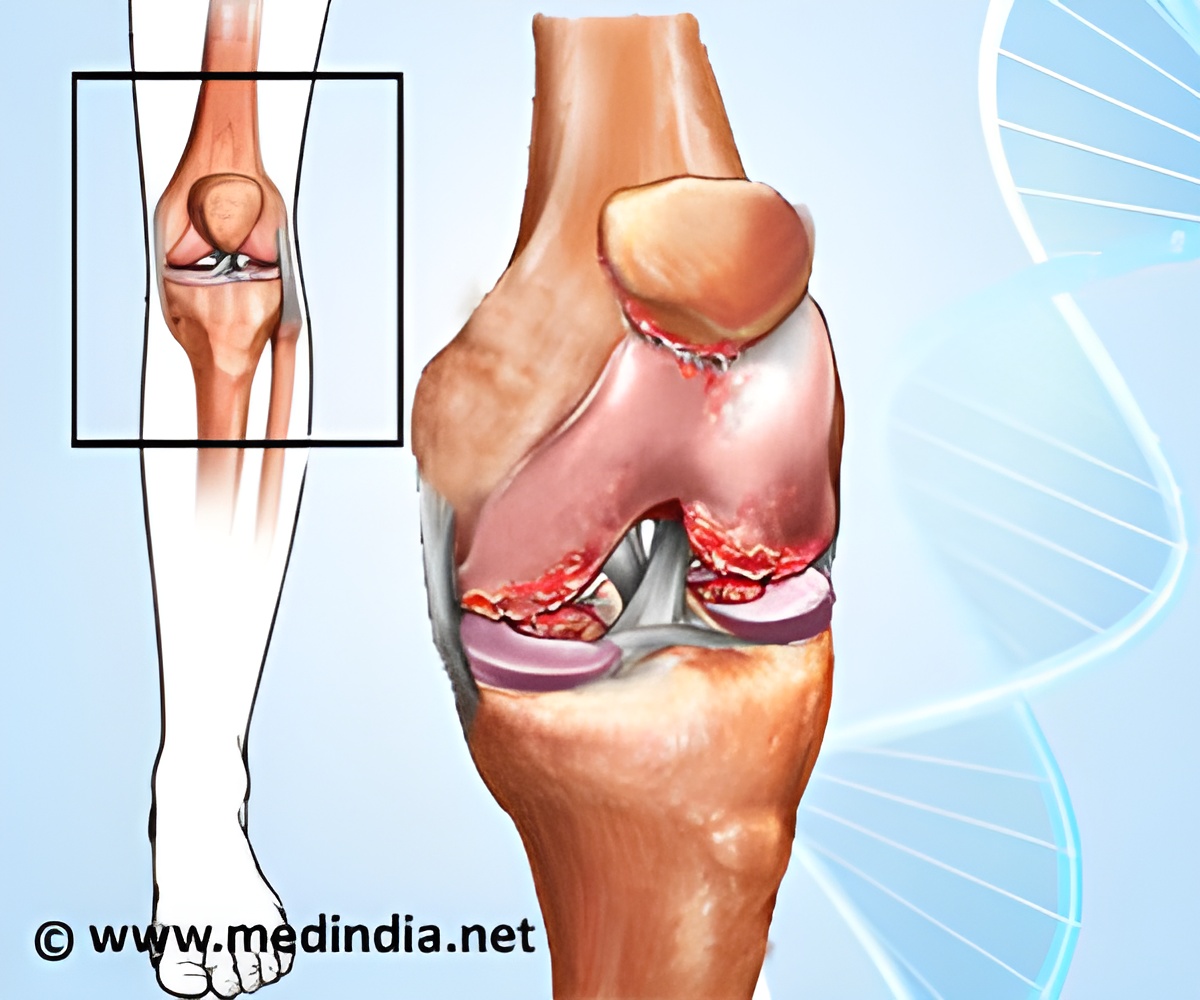

Osteoarthritis - Causes, Symptoms, DIagnosis, Treatment, FAQs
Osteoarthritis is one of the commonest joint disorder and occurs as we age due to wear and tear of a joint. Osteoarthritis can affect any joint of the body.
Osteoarthritis is one of the commonest joint disorder and occurs as we age due to wear and tear of a joint. Osteoarthritis can affect any joint of the body.
‘Targeting monocytes in osteoarthritis may help slow down disease progression or decrease the risk of other chronic inflammatory diseases.’





The study found that monocytes, the white blood cells necessary to regulate immune responses, were more activated and pro-inflammatory in women with osteoarthritis, and that elevated inflammation and body mass index were associated with this increased activation. When compared with a control group, this combination created a perfect storm - one that was found to increase the pain and progression of knee osteoarthritis. The study involved 22 women with osteoarthritis, and 22 women of the same age without osteoarthritis.
"It is the first study, to our knowledge, to specifically characterize changes in circulating monocytes in individuals with osteoarthritis compared to healthy women," said senior author Dawn Bowdish, a professor of pathology and molecular medicine at McMaster, and member of the McMaster Institute for Research on Aging.

Diet, Nutrition and Supplements for Osteo-Arthritis and Rheumatoid Arthritis
Rheumatoid arthritis patients should consume a diet rich in natural antioxidant and anti-inflammatory nutrients and avoid foods like sugar, saturated fats, and trans fatty acids.
Rheumatoid arthritis patients should consume a diet rich in natural antioxidant and anti-inflammatory nutrients and avoid foods like sugar, saturated fats, and trans fatty acids.
Chronic inflammation and osteoarthritis have been linked to an increased risk of heart disease, stroke, diabetes and depression among adults with osteoarthritis. While the cause of osteoarthritis remains unknown, multiple factors contribute to its risk, progression and severity.
Advertisement
Psoriatic Arthritis - Types, Causes, Risk Factors, Diagnosis, Treatment, Prevention & Management
Psoriatic arthritis is a kind of autoimmune inflammatory arthritis, which develops in 30 percent of people with the skin condition of psoriasis.
Psoriatic arthritis is a kind of autoimmune inflammatory arthritis, which develops in 30 percent of people with the skin condition of psoriasis.
The researchers intend to take this knowledge and apply it to better understanding the impact of exercise on the health of older adults with osteoarthritis.
Advertisement

Types of Physiotherapy | Physiotherapy - Types
Physiotherapy also known as physical therapy or physio helps improve movement, reduce pain and stiffness, speed up healing, and improve the quality of life by using physical techniques.
Physiotherapy also known as physical therapy or physio helps improve movement, reduce pain and stiffness, speed up healing, and improve the quality of life by using physical techniques.
The complete study is published in the medical journal Osteoarthritis and Cartilage.
Source-Eurekalert