MEDINDIA
 English
 हिन्दी
 Español
 français
 中文
中文
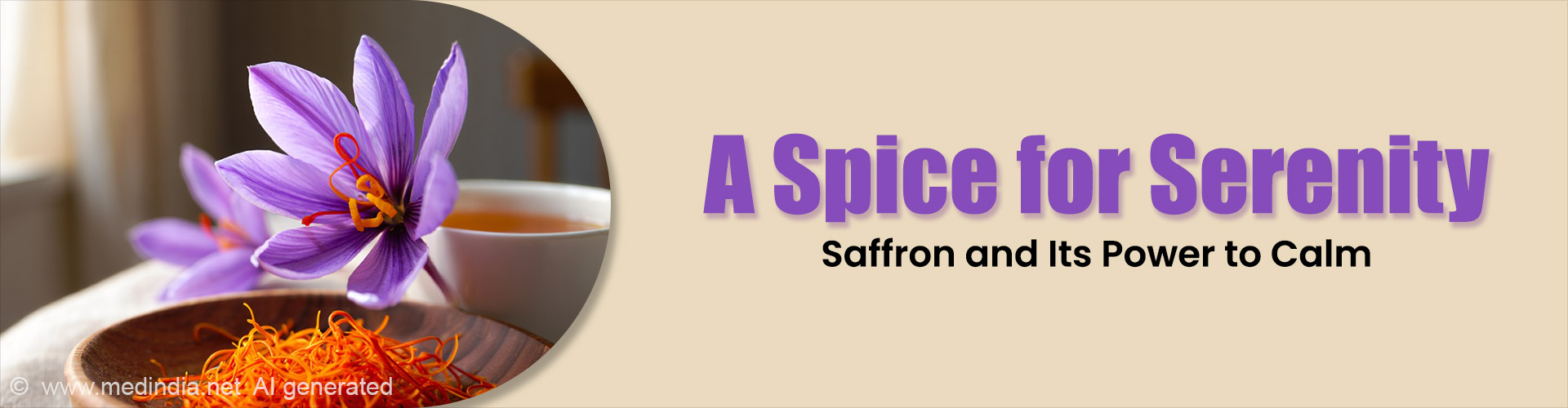
Saffron, the world’s most expensive spice, may hold the key to a calmer mind and sharper memory.
Highlights:
Saffron, being the world’s most expensive spice, is now found to be a medicinal remedy for improving cognitive function (1✔ ✔Trusted Source- Saffron boosts mood and memory naturally
- It improves sleep and reduces anxiety
- A safe herbal option—when used in proper doses
From Mood to Memory: Unlocking Saffron's Potential in Brain Health
Go to source). Saffron (Crocus sativus L.) is currently under research for its potential to improve mood and enhance memory, paving the way for improved cognitive function.

Depression - Types, Causes, Symptoms, Diagnosis, Treatment
Depression is one of the most common mental disorders affecting approximately 340 million people in the world. No one is immune from depression - it occurs in people of all social classes, all countries and all cultural settings.
Depression is one of the most common mental disorders affecting approximately 340 million people in the world. No one is immune from depression - it occurs in people of all social classes, all countries and all cultural settings.
TOP INSIGHT

Did You Know?
#Saffron may work as effectively as #antidepressants like #fluoxetine, without the side effects! #alzheimers #depression #herbalremedy #mentalhealth #medindia
The Herbal Mood Fix
Clinical trials suggest that bioactive compounds in saffron, particularly crocin and safranal, can ease symptoms of mild to moderate depression.
Some studies even found saffron to be as effective as conventional antidepressants like fluoxetine and imipramine and with fewer side effects such as sexual dysfunction or weight gain.
Saffron's antidepressant-like effects are believed to stem from
- Inhibition of serotonin reuptake, like selective serotonin reuptake inhibitors (SSRIs)
- Anti-inflammatory and antioxidant actions
- Modulation of the hypothalamic-pituitary-adrenal (HPA) axis, which regulates stress response.

Depression – A Holistic Approach-Signs, Symptoms and Treatment
Depression is a common disorder and many worldwide suffer from depression. Early recognition of symptoms and signs of depression can help in taking a holistic approach to the management of depression.
Depression is a common disorder and many worldwide suffer from depression. Early recognition of symptoms and signs of depression can help in taking a holistic approach to the management of depression.
Saffron’s Role in Cognitive Health
Clinical research has demonstrated that saffron can be used to treat mild to moderately severe effects, and its constituent components serve three crucial purposes:- Preventing the aggregation of beta-amyloid, a characteristic of Alzheimer's
- Increasing acetylcholine activity, which is essential for memory and learning
- Preventing oxidative damage to neurons

Quiz on Depression
The World Health Organization reports that depression is one of the main causes of disability affecting about 121 million people worldwide. More tragically, it claims around 850,000 lives every year. Hence, it is important that we understand this ...
The World Health Organization reports that depression is one of the main causes of disability affecting about 121 million people worldwide. More tragically, it claims around 850,000 lives every year. Hence, it is important that we understand this ...
The Anti-Inflammatory & Antioxidant Shield
The main causes of mood disorders and neurodegenerative diseases are oxidative stress and persistent inflammation. Strong antioxidants found in saffron, particularly crocin and safranal, may offer protection against these harmful processes.Crocin aids in neutralizing free radicals, and safranal lowers inflammation inside the brain. Their combination helps sustain mitochondrial function and minimize lipid peroxidation, both of which are crucial for preserving the health and vitality of brain cells.
Easing of these underlying biological stressors, through the use of saffron, may help prevent age-related cognitive and neurotoxicity and inflammation-related depression.

Depression Screening Test
Online Depression Screening Test tells if you have mild or chronic depression based on your depression symptoms. Learn how to deal with depression by using this self-assessment calculator.
Online Depression Screening Test tells if you have mild or chronic depression based on your depression symptoms. Learn how to deal with depression by using this self-assessment calculator.
Natural Relief for Sleep Problems, Stress, and Mood Swings
Saffron is anxiolytic (anti-anxiety) and sleep-enhancing in animal models and some early human studies.Saffron even assists in normalizing cortisol, which is the main stress hormone of the body, and affects the main neurotransmitters (such as serotonin and dopamine, which have an impact on mood and emotional stability).
Saffron also helps maintain the circadian rhythm by influencing melatonin levels, the hormone responsible for regulating sleep.
The effects of the combination provide saffron with specific applications to people with sleep disorders, stressful states, and mood swings. It is reported that recent research demonstrated a considerable increase in sleep quality among participants (adults) with a four-week use of saffron supplements.
Safe, Accessible, and Effective, But with a Caution!
The therapeutic doses (20–30 mg/day) of saffron have several relatively low side effects on the brain. However, doses exceeding 5 grams per day can be toxic, and it is important to use purified, standardized extracts to avoid adulteration, which is unfortunately common with saffron products.Saffron is not a magic pill; it can be seen as a mild, evidence-based adjunct to contemporary treatments of mood and memory problems. The more it is studied, the greater the likelihood that saffron will become a staple in mental wellness and neuroprotection, particularly among those who have been hesitant to embrace natural, plant-based approaches.
Reference:
- From Mood to Memory: Unlocking Saffron's Potential in Brain Health - (https://pmc.ncbi.nlm.nih.gov/articles/PMC12103703/)
Source-Medindia
 Email
Email