MEDINDIA
 English
 हिन्दी
 Español
 français
 中文
中文
Researchers found that simple text message reminders to take malaria medication can help in the fight against the disease by boosting the rates at which patients complete their medication regimen.
Malaria - Causes, Symptoms, Diagnosis, Prevention, Treatment
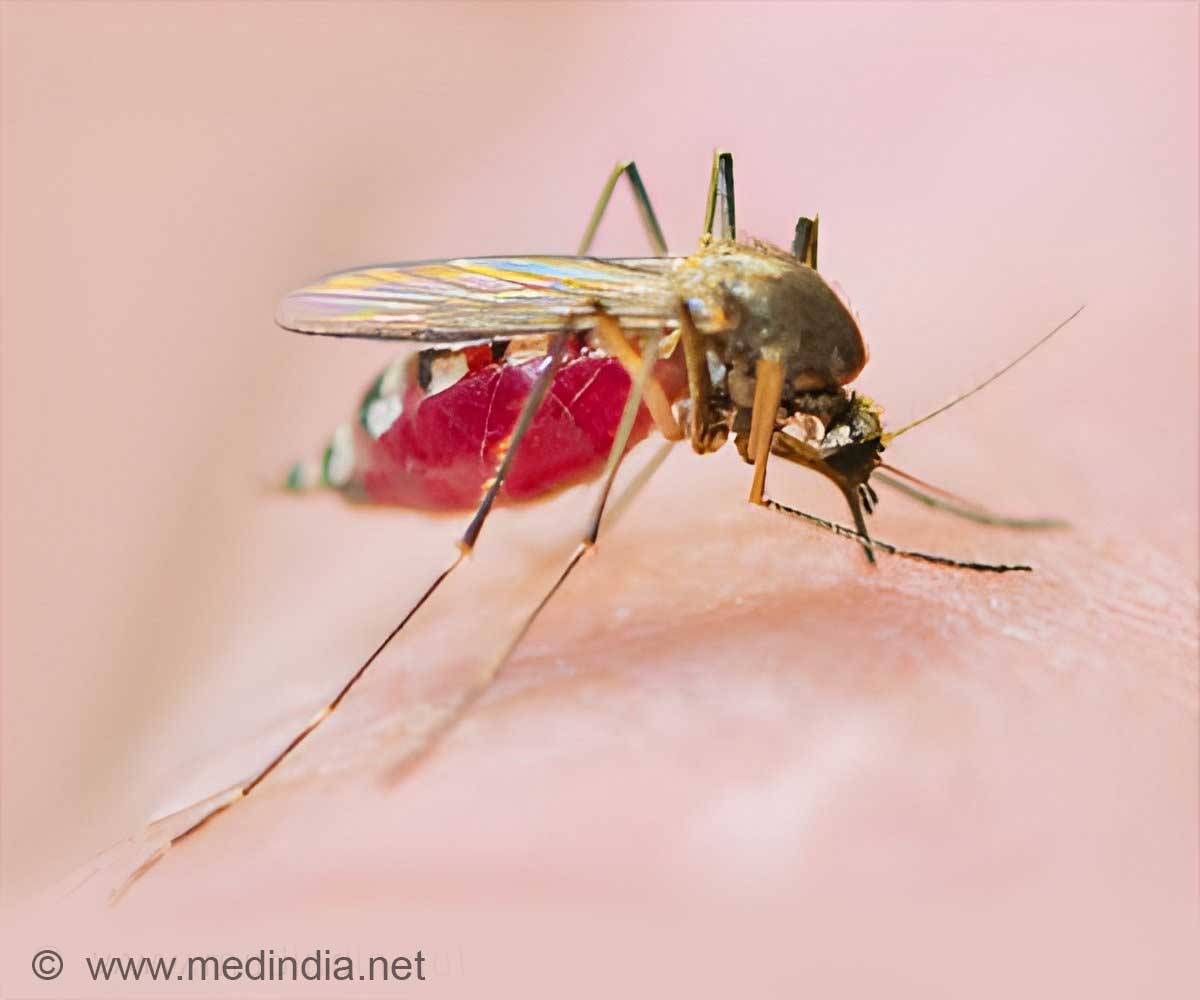
Malaria is caused by a parasite that enters blood through the bite of an infected mosquito. It is characterized by fever, vomiting, shivering, sweating and other symptoms.
Malaria is caused by a parasite that enters blood through the bite of an infected mosquito. It is characterized by fever, vomiting, shivering, sweating and other symptoms.
The study also tested whether a short versus longer, more informative message would be more effective and found unexpectedly that the shorter messages had a significant impact, but the longer ones did not. "SMS reminders are a 'nudge,' not a 'shove' " said Aaron Dibner-Dunlap, an Innovations for Poverty Action researcher who studies text message reminders. "They can help people follow through on something they originally intended to do, but human nature is tricky and the science is still young. We're optimistic because the technology has become so widespread and inexpensive to administer, that for programs like this one that work, there's huge potential for helping people at very low cost."
The study was published in PLOS ONE.

Malaria Waterborne - Causes Transmission Diseases Microscopic Examinations Serological Examinations
Encyclopedia section of medindia gives general information about About Malaria Causes
Encyclopedia section of medindia gives general information about About Malaria Causes
About Mosquito Diseases
Mosquito-borne diseases, like malaria, filaria, dengue, etc are common in places conducive of mosquito breeding. Swamps, ponds and stagnated drainage provide optimal breeding ground for mosquitoes.
Mosquito-borne diseases, like malaria, filaria, dengue, etc are common in places conducive of mosquito breeding. Swamps, ponds and stagnated drainage provide optimal breeding ground for mosquitoes.

Fever / Pyrexia - Symptom Evaluation - Types - FAQs
Fever or Pyrexia is an elevation in normal body temperature. Causes of fever include infections, injury, cancers, inflammation, hormonal, metabolic and genetic diseases.
Fever or Pyrexia is an elevation in normal body temperature. Causes of fever include infections, injury, cancers, inflammation, hormonal, metabolic and genetic diseases.
 Email
Email