MEDINDIA
 English
 हिन्दी
 Español
 français
 中文
中文
Safeguard your health this monsoon in Tamil Nadu with tips to prevent dengue and typhoid amid rising fever cases.
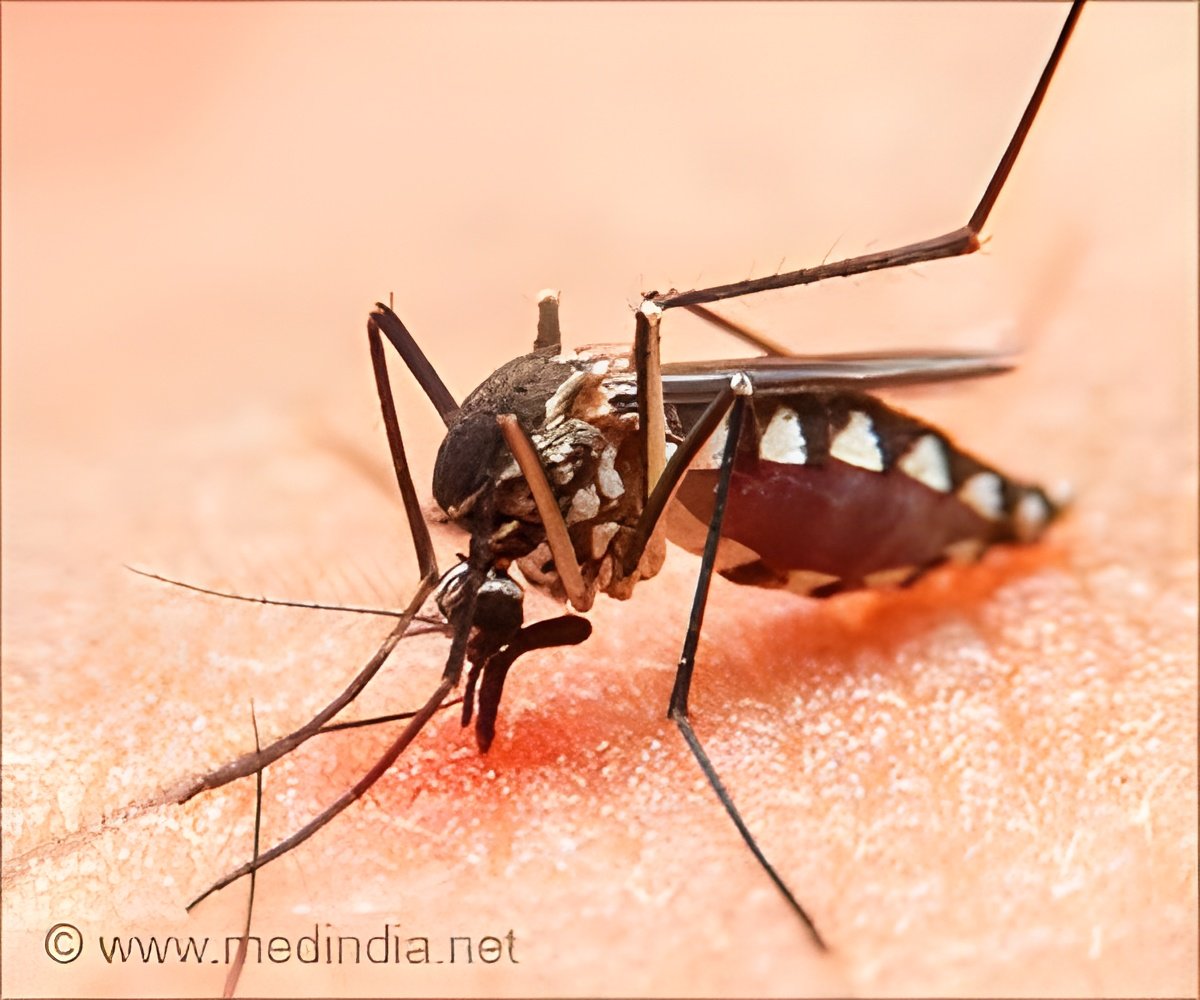
Dengue
Go to source) and dengue cases, with more than 16,000 dengue infections and eight deaths reported across districts as of early October. Health authorities have ramped up door-to-door surveillance, awareness drives, and mosquito-control operations to curb further spread ahead of the northeast monsoon.
Dengue
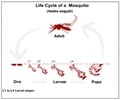
Dengue is a tropical disease caused by mosquitoes carrying the dengue virus. Symptoms include fever, joint & muscle ache, fatigue, nausea and skin rash.
Dengue is a tropical disease caused by mosquitoes carrying the dengue virus. Symptoms include fever, joint & muscle ache, fatigue, nausea and skin rash.
TOP INSIGHT

#TamilNadu is stepping up its efforts to combat the rise in #dengue and #typhoid cases. The state's health department has intensified door-to-door surveillance, launched awareness drives, and increased mosquito control operations to contain the spread. #Health #MonsoonPrep
Dengue and Typhoid
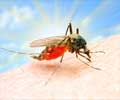
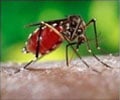
Dengue and typhoid are common diseases that spread during the rainy season. Dengue is caused by the bite of an infected Aedes mosquito. Its main symptoms include high fever, severe headache, body pain, joint pain, skin rashes, and tiredness.Typhoid is caused by eating food or drinking water contaminated with germs called Salmonella typhi. The symptoms of typhoid include fever, stomach pain, headache, loss of appetite, weakness, and sometimes constipation or diarrhea. Both diseases need proper rest, clean food, and medical care to recover.
According to data from the National Centre for Vector-Borne Disease Control (NCVBDC), Tamil Nadu has recorded 16,546 dengue cases in 2025, the second-highest in India after Karnataka. The state had reported 27,378 cases and 13 deaths in 2024, compared to 9,121 cases and eight deaths in 2023, highlighting a recurring post-monsoon trend.

Dengue Vaccine
Several dengue vaccines are under development. Dengvaxia, Sanofi’s live-attenuated tetravalent dengue vaccine is already commercially available in 10 dengue endemic countries.
Several dengue vaccines are under development. Dengvaxia, Sanofi’s live-attenuated tetravalent dengue vaccine is already commercially available in 10 dengue endemic countries.
To contain the spread, the Health Department has deployed medical teams across districts for fever surveillance in both government and private hospitals. Health inspectors are visiting homes daily to identify patients showing symptoms and ensure timely treatment. Meanwhile, field workers are conducting anti-larval measures, spraying insecticides, cleaning clogged drains, and removing potential mosquito-breeding spots.

Diet during Typhoid
Typhoid is a bacterial infection affecting the gastrointestinal tract including several the liver, spleen and muscles. Following a proper diet is an important part of the healing process.
Typhoid is a bacterial infection affecting the gastrointestinal tract including several the liver, spleen and muscles. Following a proper diet is an important part of the healing process.
Medical experts have cautioned against self-medication and stressed the importance of early diagnosis. Individuals with persistent fever are advised to seek medical help promptly and refrain from taking non-prescribed drugs, which can worsen symptoms.

Typhoid and Paratyphoid Enteric Fevers
Typhoid and Paratyphoid Enteric Fevers are caused by bacteria called Salmonella typhi. Causes, symptoms, diagnosis and treatment of Typhoid and Paratyphoid Enteric Fevers are discussed.
Typhoid and Paratyphoid Enteric Fevers are caused by bacteria called Salmonella typhi. Causes, symptoms, diagnosis and treatment of Typhoid and Paratyphoid Enteric Fevers are discussed.
Despite the rising number of cases, officials maintain that the situation remains under control, with fatalities low and preventive action intensified as the state braces for the northeast monsoon in the coming weeks.
Tips to Protect Yourself from Dengue and Typhoid
To protect yourself from dengue and typhoid, it’s important to keep your surroundings clean and prevent mosquito breeding. Always cover water containers and avoid letting water stagnate in buckets, flowerpots, or coolers.Wear full-sleeved clothes and use mosquito repellents, especially during the day, as dengue mosquitoes bite in daylight. Drink clean, boiled, or filtered water and eat freshly cooked food to avoid typhoid infection.
Wash your hands regularly with soap before eating and after using the toilet. If you have a fever, don’t ignore it — visit a doctor immediately for proper treatment and rest.
Reference:
- Dengue - (https://www.who.int/news-room/fact-sheets/detail/dengue-and-severe-dengue)
Source-Medindia
 Email
Email