MEDINDIA
 English
 हिन्दी
 Español
 français
 中文
中文
Supplemental oxygen can eliminate the rise in morning blood pressure in patients with obstructive sleep apnea (OSA) after continuous positive airway pressure (CPAP) withdrawal.

Obstructive Sleep Apnea - Overview
Obstructive sleep apnea should be suspected in overweight middle aged adults who snore loudly and which can cause interruption of breathing for 10 seconds or more and this results in reduced blood o
Obstructive sleep apnea should be suspected in overweight middle aged adults who snore loudly and which can cause interruption of breathing for 10 seconds or more and this results in reduced blood o
TOP INSIGHT

Supplemental oxygen can be used to eliminate the rise in morning blood pressure in patients with obstructive sleep apnea (OSA) after continuous positive airway pressure (CPAP) withdrawal.
Many studies have demonstrated an association between OSA, hypertension and cardiovascular disease. Some of these studies have linked the acute rises in blood pressure that OSA patients experience while sleeping to the constant need to wake up when their breathing stops or is partially blocked.
The authors of the current study wanted to find out if these recurrent arousals were also responsible for higher blood pressure in OSA patients during the day or whether intermittent hypoxia (low oxygen levels), resulting from interrupted breathing during sleep, caused a rise in blood pressure during the day.

Implantable Device to Treat Central Sleep Apnea
An implantable device called the Remedē system is the new treatment option for patients with central sleep apnea.
An implantable device called the Remedē system is the new treatment option for patients with central sleep apnea.
Dr. Turnbull said, "This is important because many patients, especially those with few symptoms, are unable to tolerate using CPAP treatment and other treatments may be needed for these individuals," given that elevated levels of blood pressure put them at greater risk for heart attack and stroke.
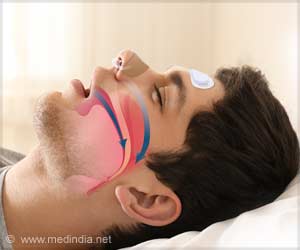
Sleep Apnea Linked With Higher Levels Of Inflammation
Inflammation, thought of as a symptom of sleep apnea could precede the disorder and potentially open the door for novel ways of treating sleep apnea.
Inflammation, thought of as a symptom of sleep apnea could precede the disorder and potentially open the door for novel ways of treating sleep apnea.
"The next challenge for researchers will be to see if supplemental oxygen treatment has similar effects in patients in the longer-term along with assessing its longer-term safety," Dr. Turnbull said.
New Disposable Diagnostic Patch Could Improve Sleep Apnea Testing
Sleep apnea causes breathing pauses during sleep. A new disposable diagnostic patch could help improve sleep apnea testing.
Sleep apnea causes breathing pauses during sleep. A new disposable diagnostic patch could help improve sleep apnea testing.
Source-Eurekalert
 Email
Email