MEDINDIA
 English
 हिन्दी
 Español
 français
 中文
中文
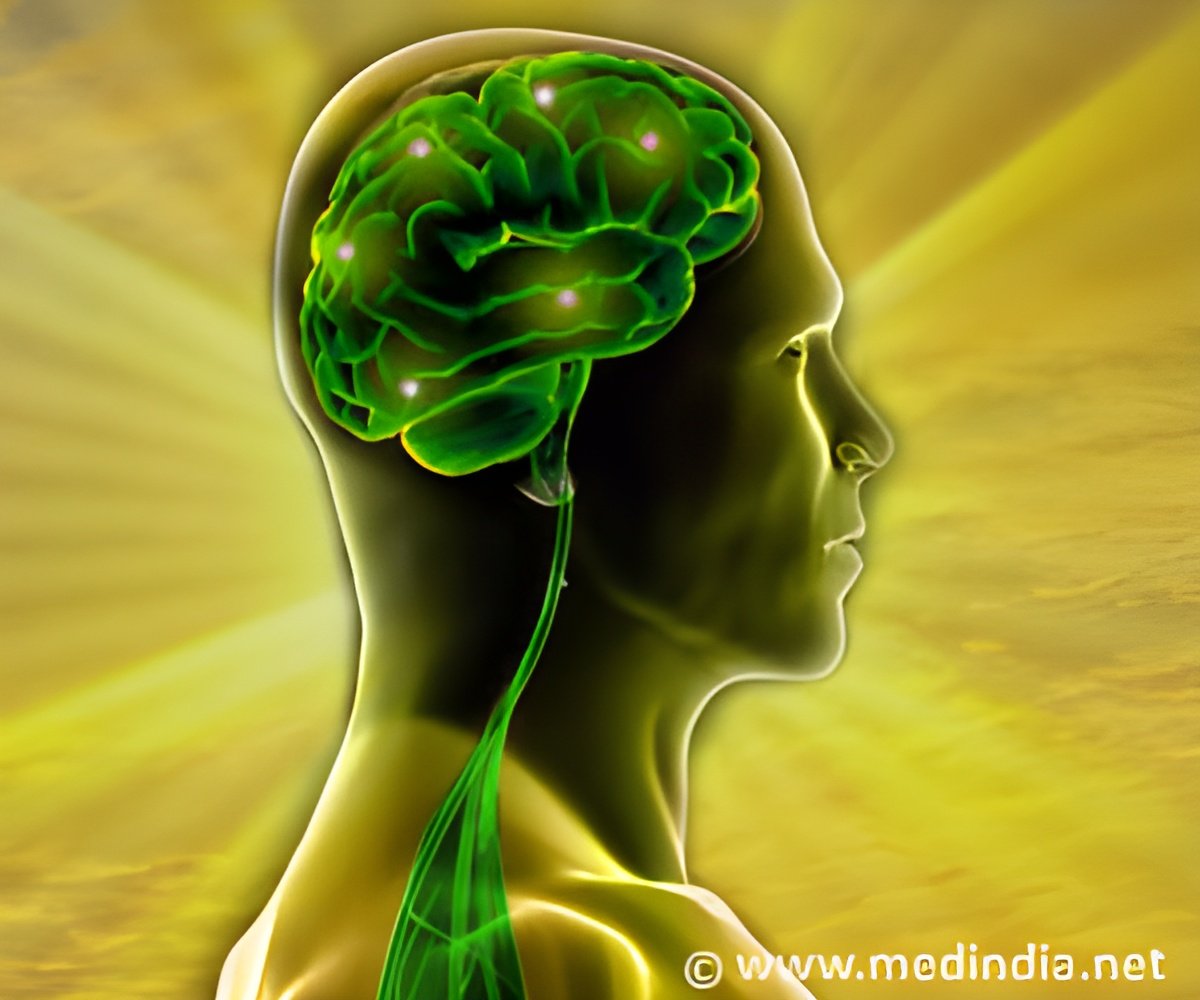
Artificially stimulating the brain's feel-good center boosts immunity in mice in a way that could help explain the power of placebos, a study reported.
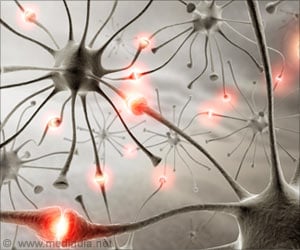
Opioid Abuse Triggers Reactions Associated With the Brain's Reward System
Identification of the pathways that promote opioid addiction, tolerance and pain relief are crucial to develop effective analgesics and new potential treatments for addiction
Identification of the pathways that promote opioid addiction, tolerance and pain relief are crucial to develop effective analgesics and new potential treatments for addiction
TOP INSIGHT

Artificially stimulating the brain's feel-good center boosts immunity in mice in a way that could help explain the power of placebos.
The findings, reported in Nature Medicine, might one day lead to the development of new drugs that utilize the brain's potential to cure.
Rolls and colleagues incubated immune cells from mice exposed to deadly E. coli bacteria after specific cells in the animals' reward center had been stimulated.

Pleasure Eating Triggers Body's Reward System and May Stimulate Overeating: Study
According to a recent study when eating is motivated by pleasure, rather than hunger, endogenous rewarding chemical signals are activated which can lead to overeating.
According to a recent study when eating is motivated by pleasure, rather than hunger, endogenous rewarding chemical signals are activated which can lead to overeating.
In a second test, the scientists vaccinated different mice with the same immune cells.

'Re-regulation' of Body's Natural Reward Systems in People With Opioid Dependence in Recovery
Report says patients in recovery from dependence on prescription pain medications may show signs that the body's natural reward systems are normalizing, within a few months after drug withdrawal.
Report says patients in recovery from dependence on prescription pain medications may show signs that the body's natural reward systems are normalizing, within a few months after drug withdrawal.
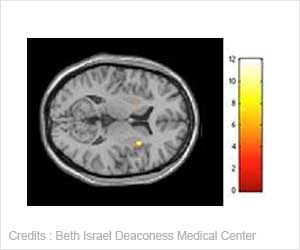
The immune-boosting information emanated from a part of the brain called the ventral tegmental area, home to a reward system powered by the mood-modifying chemical dopamine.
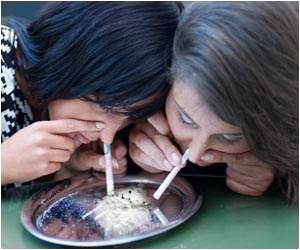
Brain's Reward System Probably Upset by Cocaine Abuse
Recurring contact with cocaine shrinks a protein activity vital for regular functioning of the brain's reward system, thus boosting the reward for cocaine use and stimulating addiction, reveals study.
Recurring contact with cocaine shrinks a protein activity vital for regular functioning of the brain's reward system, thus boosting the reward for cocaine use and stimulating addiction, reveals study.
From there, the study found, the message is routed via the sympathetic nervous system, which is responsible for snap responses in a crisis situation, until it triggers the bacteria-fighting immune response.
Evolutionary pressures may play a key role in the observed association, the researchers speculated.
"Feeding and sex expose one to bacteria," explained Rolls said. "It would give one an evolutionary advantage if - when the reward system is activated - immunity is also boosted."
The next step will be mice experiments to find molecules - potential drugs - that could reproduce this cause-and-effect. "Maybe they could be used as new therapeutic targets," Rolls said.
The breakthrough was made possible thanks to a pair of new technologies, said the study's other lead author, Shai Shen-Orr, also from the Technion-Israel Institute of Technology.
One enables neurons to be switched on an off. The second gives scientists high-resolution profiles of hundreds of thousands of cells in the immune system.
Source-AFP
 Email
Email