MEDINDIA
 English
 हिन्दी
 Español
 français
 中文
中文
Identification of the pathways that promote opioid addiction, tolerance and pain relief are crucial to develop effective analgesics and new potential treatments for addiction

Parkinson’s Disease - Causes, Symptoms, Diagnosis, Treatment
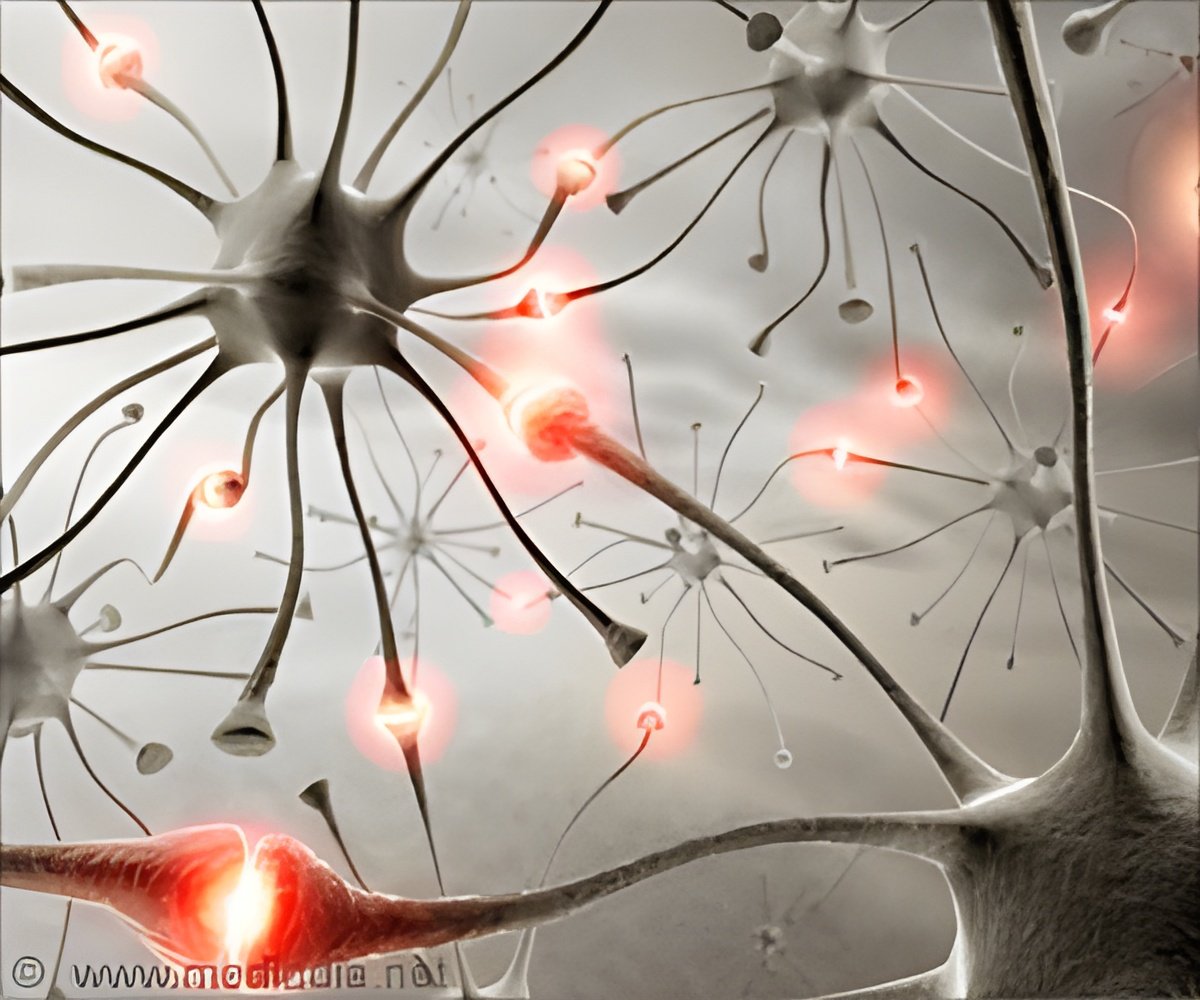
Parkinson’s disease is a neurodegenerative disease caused by progressive dopamine brain cells loss. Symptoms of Parkinson’s disease are correctable to an extent.
Parkinson’s disease is a neurodegenerative disease caused by progressive dopamine brain cells loss. Symptoms of Parkinson’s disease are correctable to an extent.
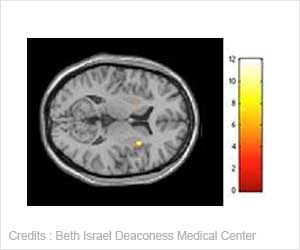
In the study, investigators used a novel technique known as optogenetics, which allows the activation of specific neurons via blue light in real time, to determine the exact cell types of the brain reward center responsible for the reduced analgesic response.
"In our earlier work, by inactivating RGS9-2, we saw a tenfold increase in sensitivity to the rewarding actions of morphine, severe morphine dependence, a better analgesic response, and delayed development of tolerance," said the study's senior author. While opiate analgesics act in several brain regions to alleviate pain, their actions in the brain reward center may also affect analgesia. The nucleus accumbens may also affect the development of morphine tolerance, via mechanism that are distinct from those described in other regions of the brain.

Effective and Safe Use of Opioids is Complex
Nearly 100 million Americans have chronic pain. The effective and safe use of opioids for the management of chronic pain is complex.
Nearly 100 million Americans have chronic pain. The effective and safe use of opioids for the management of chronic pain is complex.

Opioids and Their Relation to Chronic Pain
Though the dangers of hydrocodone, oxycodone and other opioids are well known, there is still a lot left to know about its relation to chronic pain
Though the dangers of hydrocodone, oxycodone and other opioids are well known, there is still a lot left to know about its relation to chronic pain
 Email
Email