MEDINDIA
 English
 हिन्दी
 Español
 français
 中文
中文
People who take blood pressure medicines often are nervous about what their blood pressure will be when they're seeing their physician.
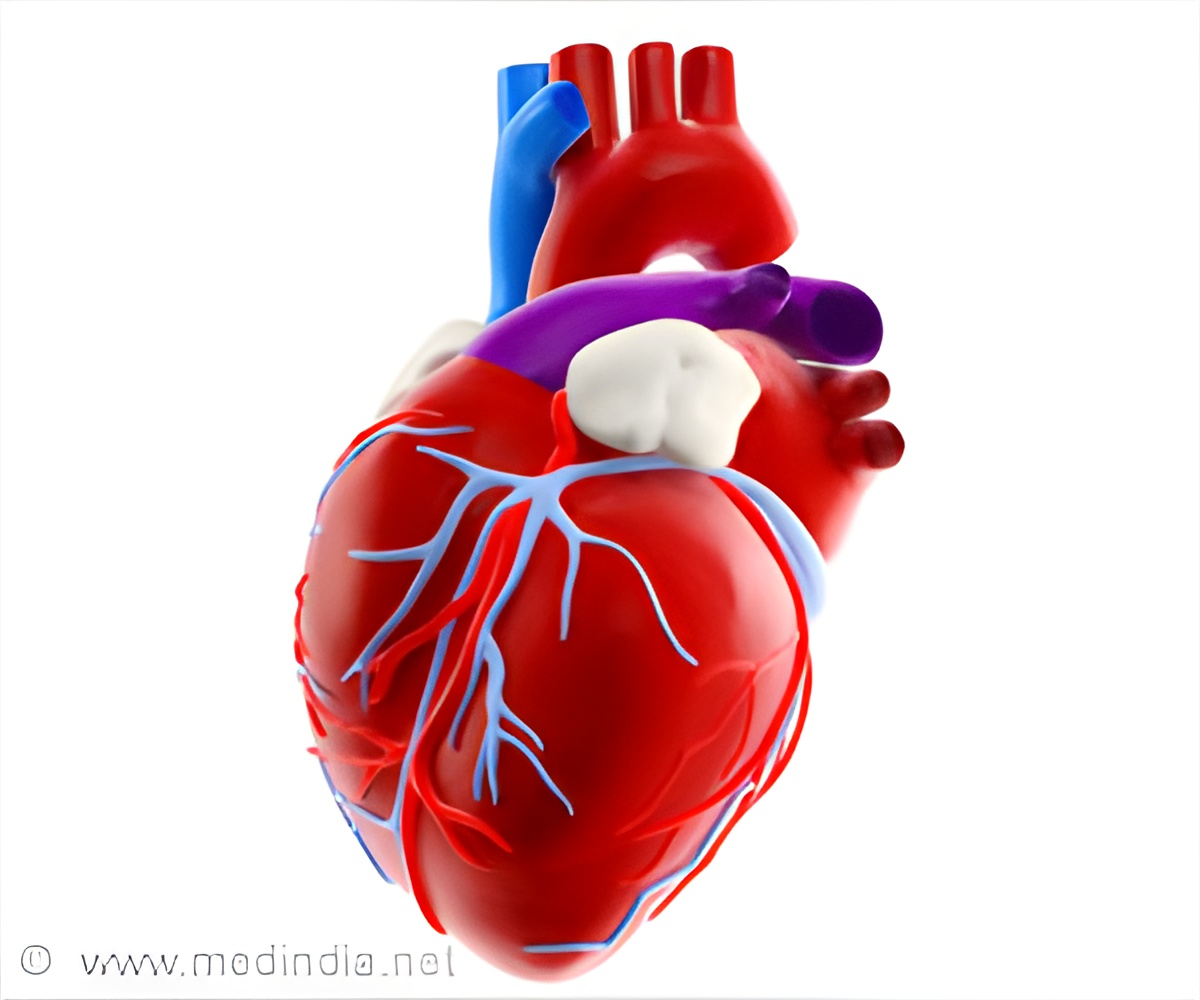

Intensive Therapies to Lower Blood Pressure can Cut Risk of Heart Diseases in Older Adults
Adjusting the amount or type of blood pressure medication to achieve a target systolic pressure of 120 mm Hg reduced rates of cardiovascular events and death.
Adjusting the amount or type of blood pressure medication to achieve a target systolic pressure of 120 mm Hg reduced rates of cardiovascular events and death.
TOP INSIGHT

Excessive sitting is associated with reduced cardiorespiratory fitness and a higher risk of heart disease, thus, reducing sitting time by one to two hours per day could improve future cardiovascular health.
Heart health: Arm yourself with two BP readings - one from each arm
If you take your blood pressure at home, get a reading on one arm and then get a reading on the other. If the systolic number - the higher number - varies by more than 10 points between the two arms, it could be an indicator that you are at risk of heart disease, says cardiologist Dr. Wanpen Vongpatanasin, Professor of Internal Medicine at UTÂ Southwestern Medical Center. Several studies in recent years have shown that variations in blood pressure readings on the right and left arm are associated with increased risk of death from heart attack or stroke, says Dr. Vongpatanasin, who specializes in research on high blood pressure.
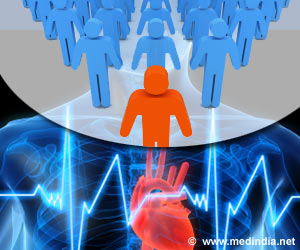
Risk of Unplanned Hospitalization in Heart Failure Patients With Apnea
Chronic heart failure (CHF) patients with predominant central sleep apnea (CSA) are at higher risk for death and unplanned hospitalization.
Chronic heart failure (CHF) patients with predominant central sleep apnea (CSA) are at higher risk for death and unplanned hospitalization.
Dr. Vongpatanasin holds the Norman and Audrey Kaplan Chair in Hypertension.

Regular Physical Activity is Magic Bullet Against Obesity and Heart Disease
Only about 20 percent of Americans engage in recommended levels of regular physical activity and about 64 percent never do any physical activity.
Only about 20 percent of Americans engage in recommended levels of regular physical activity and about 64 percent never do any physical activity.
People who take blood pressure medicines can monitor their blood pressure at home to help compensate for what's known as "white coat" effect -a spike in readings while visiting the doctor's office, a UTÂ Southwestern cardiologist advises.
Gene That Helps Prevent Heart Attack may Block Effects of Aging
A gene that scientific dogma insists is inactive in adults actually plays a vital role in preventing the underlying cause of most heart attacks and strokes.
A gene that scientific dogma insists is inactive in adults actually plays a vital role in preventing the underlying cause of most heart attacks and strokes.
Here are some tips for taking blood pressure at home: Pick a time when you are relaxed to measure your blood pressure. Hypertension experts recommend taking three measurements and then averaging the last two. Avoid early morning readings - 5 a.m. or 6 a.m. - because blood pressure is often highest very early in the morning. Be consistent and take your blood pressure readings at the same time of day. It's also important to know your recommended blood pressure levels and see your physician if the readings are consistently high. Normal blood pressure is typically less than 120 for systolic (the number when your heart is contracting) and less than 80 for diastolic (when your heart is relaxed). A systolic measurement of 120-139 and a diastolic of 80-89 are considered prehypertension. Above 140/90 is hypertension.
Dr. Reimold holds the Gail Griffiths Hill Chair in Cardiology.
Source-Newswise
 Email
Email