MEDINDIA
 English
 हिन्दी
 Español
 français
 中文
中文
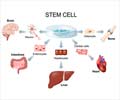
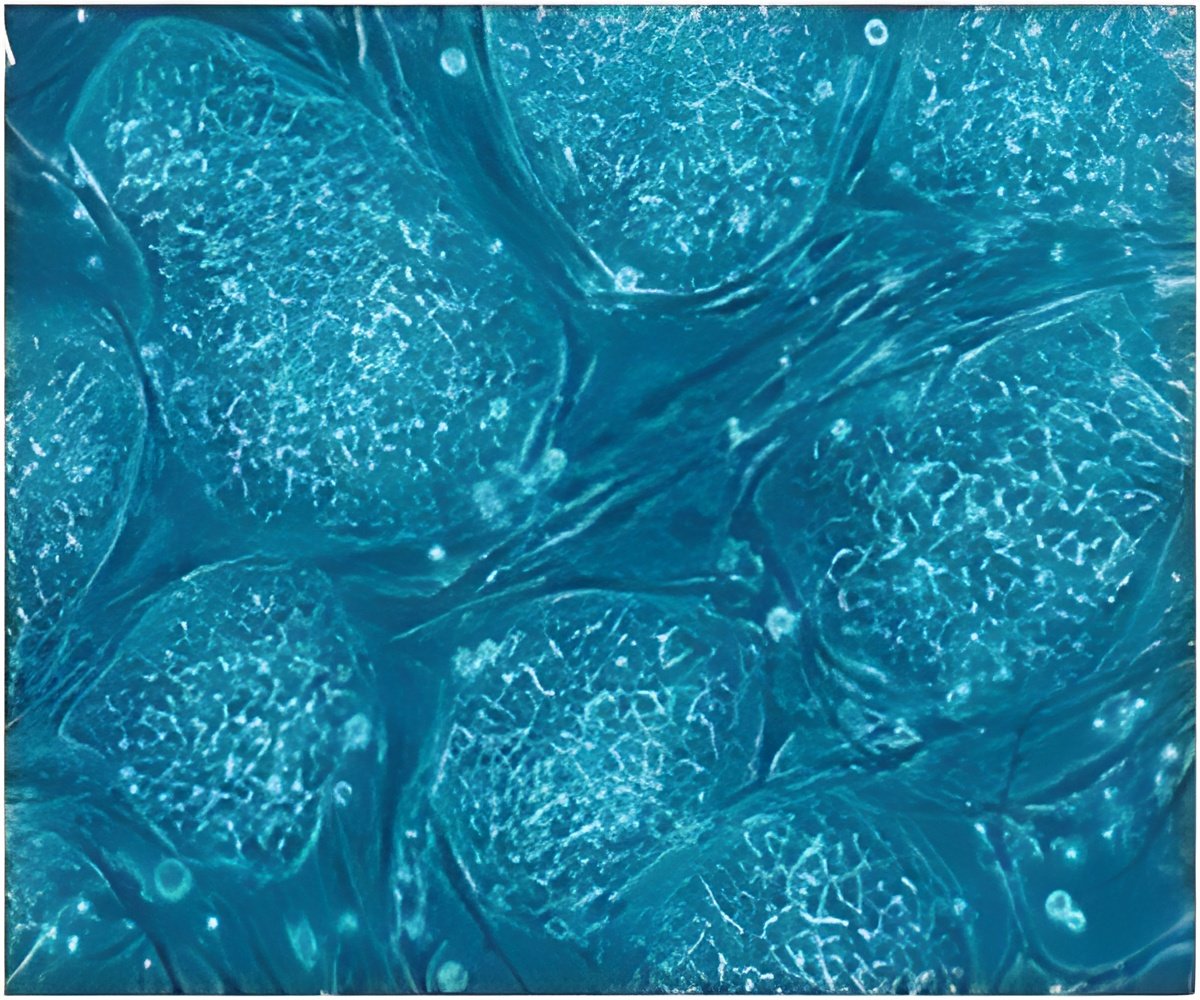
Now researchers have identified a new mechanism by which cells are instructed during development to become stem cells.

TOP INSIGHT

Clusters of stem cells receive signals from other nearby cells that instruct them to either stay a stem cell, or differentiate into a specific cell type.
Clusters of stem cells receive signals from other nearby cells that instruct them to either stay a stem cell, or differentiate into a specific cell type. These instructive groups of cells, called the 'niche', are known to maintain adult stem cell populations. Less well understood is how the niche forms, or when and where stem cells first appear during embryonic development.
First author Tamara Ouspenskaia said, "Adult stem cells are dependent on the niche for instructions on both how to become a stem cell, and how to control stem cell population size. The question was, does the niche appear first and call other cells over to become stem cells? Or is it the other way around? Stem cells could be appearing elsewhere first and then recruiting the niche."
Novel Mechanism That Controls Neuron Production from Stem Cells
A new study has now discovered a mechanism enabling the production of cellular diversity in the developing nervous system.
A new study has now discovered a mechanism enabling the production of cellular diversity in the developing nervous system.
Further experiments revealed that this escapee becomes a stem cell. This finding is significant as it's the earliest point in development that stem cells have been detected in this system, and it indicates stem cells may exist before the niche is formed.

Use of Stem Cells in Personalized Medicine
Stem cell therapy, a leading topic of interest among the budding scientists. These cells play a role in the development of personalized medicines for millions of cancer and heart patients.
Stem cell therapy, a leading topic of interest among the budding scientists. These cells play a role in the development of personalized medicines for millions of cancer and heart patients.
They found that the environment to which the escapee cell daughter moved had low levels of WNT signaling, known to play a role in embryonic development. In contrast, WNT signaling was high in the environment where the other daughter remained. The level of WNT affected how the cells responded to another signal known as SHH (Sonic Hedgehog) - only those in the low-WNT environment responded to SHH signaling, which instructed the cells to become stem cells.

Comparison of Outcomes of Peripheral and Bone Marrow Stem Cells Transplantation
Bone marrow transplant was first done successfully in 1968. The surgical procedure is required for treating those suffering from leukemia, aplastic anemia, Hodgkin’s disease.
Bone marrow transplant was first done successfully in 1968. The surgical procedure is required for treating those suffering from leukemia, aplastic anemia, Hodgkin’s disease.
The researchers believe that antagonism between WNT and SHH signaling may help to control the number of stem cells produced during this time of embryo development.
Fuchs, who is also a Howard Hughes Medical Institute investigator, said, "This newly identified signaling crosstalk provides insights into why these two signals have such a profound impact on skin cancers, where the numbers of cancerous tissue-propagating stem cells are excessive. This work now paves the way for future research into the fascinating and clinically important relation between tumor-propagating and normal stem cells."
Source-Eurekalert
 Email
Email