MEDINDIA
 English
 हिन्दी
 Español
 français
 中文
中文
In several bioassays, inhibition of Tau protein accumulation shows that the formulation additives do not reduce drug efficacy and activity.
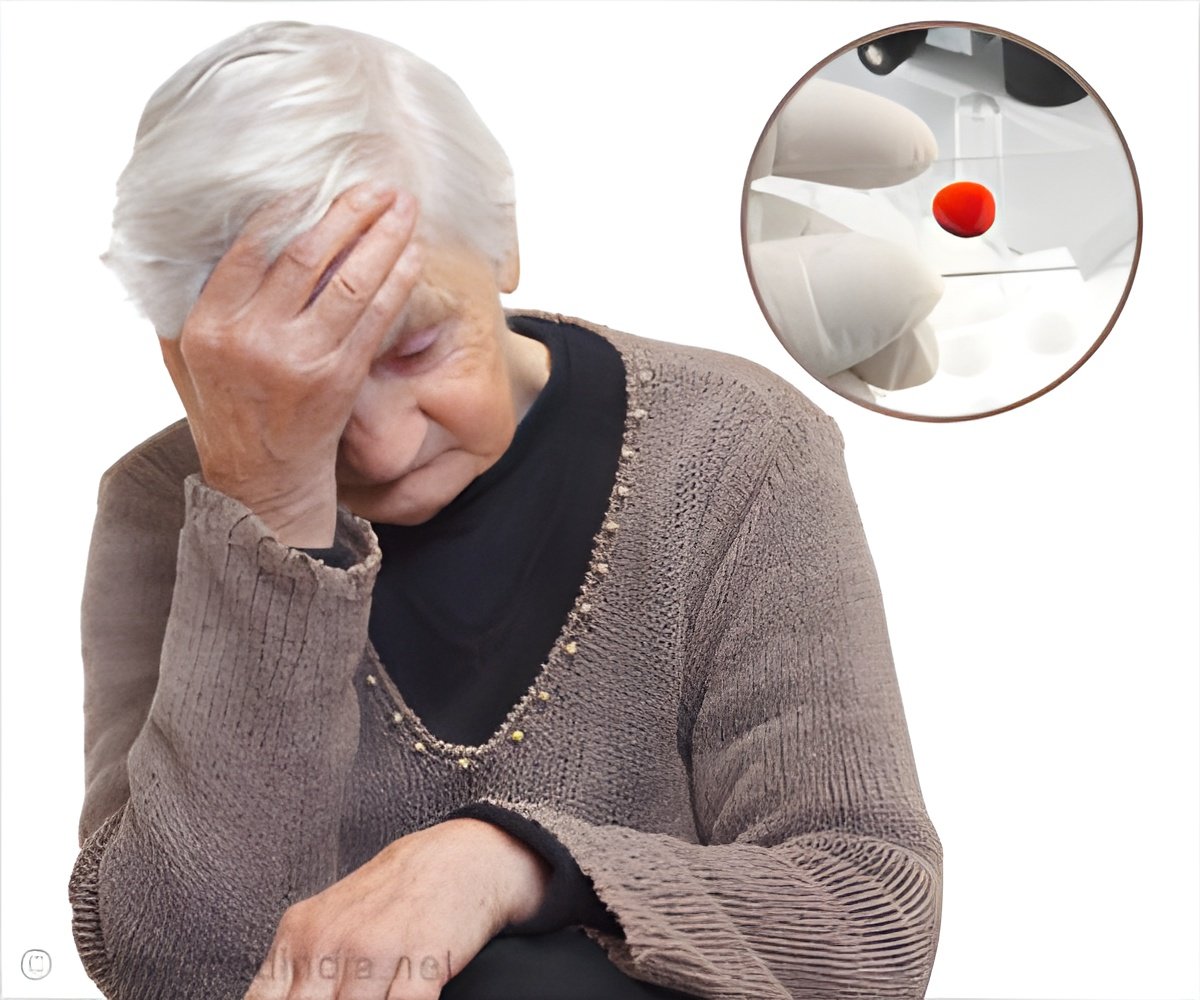

Tau Protein May Be The Leading Culprit in Alzheimer's Disease
New molecular imaging research is revealing how tau, rather than amyloid-deposition, may be more directly instigating neuronal dysfunction of Alzheimer's disease.
New molecular imaging research is revealing how tau, rather than amyloid-deposition, may be more directly instigating neuronal dysfunction of Alzheimer's disease.
TOP INSIGHT

The drug release from the peptide-polymer conjugates is feasible, which improves cell viability and reduces apoptosis.
Using a fluorescence microscopy-based screening procedure, peptide sequences with high drug binding capacity are identified from large peptide libraries.
The synthesis of corresponding peptide-poly(ethylene glycol) (peptide-PEG) conjugates leads to precision formulation additives for the potential anti-AD drugs. Whereas the PEG-blocks of the conjugates provide water solubility and drug shielding, the drug specific hosting is dominated by the peptide-segments, binding the drug in a non-covalent manner and thus bypassing the requirements of additional drug approval procedures.

Shedding New Light on the Pathological Processes That Involve Tau Proteins
New light on the pathological processes that involve Tau proteins has been shed by researchers.
New light on the pathological processes that involve Tau proteins has been shed by researchers.
The drug formulations showed a reduction of the fibril formation of the tested Tau construct comparable to the drug alone dissolved in DMSO. Thus, drug release from the conjugates is feasible.
Tau Protein Phosphorylation in Rats Subjected to Cerebral Ischemia-reperfusion Injury
Hyperphosphorylation of the microtu-bule-associated protein tau induced by transient brain ischemia, shows a study.
Hyperphosphorylation of the microtu-bule-associated protein tau induced by transient brain ischemia, shows a study.
The precision formulation additives offer opportunities for early stage drug structure or lead compound testing in DMSO free systems. This is important as DMSO is currently believed to affect relevant protein functions and might influence cell studies.

Tau Protein Damages the Brain in Alzheimer�s Patients and Could Make Them Wander
Accumulation of tau protein in the grid cells of the brain of Alzheimer’s patients could lead to damage and result in wandering and cognitive decline.
Accumulation of tau protein in the grid cells of the brain of Alzheimer’s patients could lead to damage and result in wandering and cognitive decline.
Source-Eurekalert
 Email
Email