For Yves Barral, Professor of Biochemistry at ETH Zurich, the view of the aging process as a consequence of flawed cell function and disease is too narrow.

Slowing Aging Process Could Help Treat Neurodegenerative Diseases
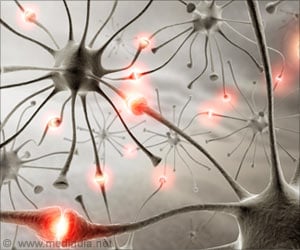
A new and unique compound, named NT219, selectively inhibits the process of aging in order to protect the brain from neurodegenerative diseases, without affecting lifespan, find researchers.
A new and unique compound, named NT219, selectively inhibits the process of aging in order to protect the brain from neurodegenerative diseases, without affecting lifespan, find researchers.
‘Age-associated protein accumulations were observed to help yeast cells to cope with the physiological changes caused by aging. Therefore, researchers suggest that these prion-like protein accumulations could have a positive effect, too, and therefore should not be referred to as cellular malfunction.’





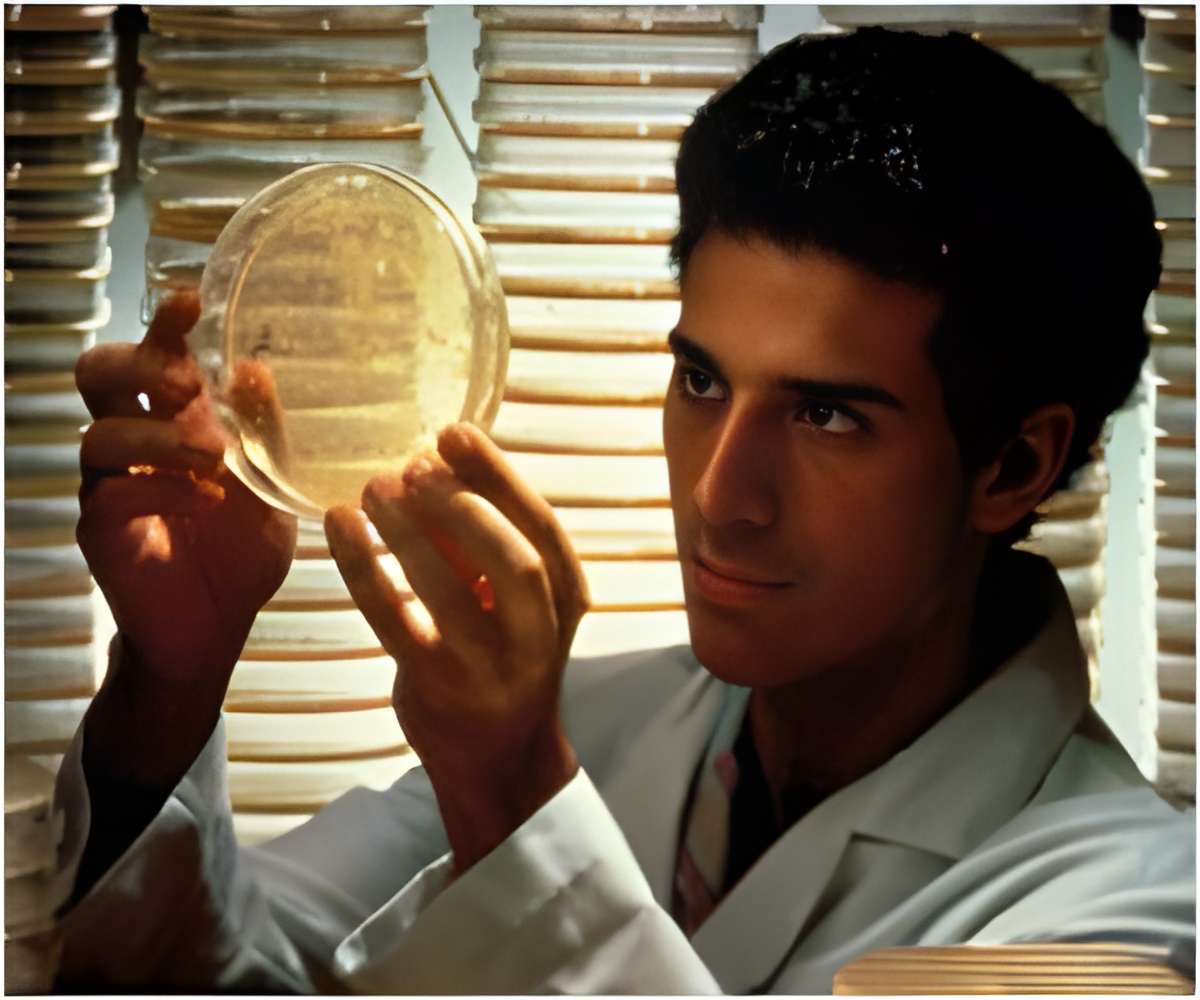
Barral drew this conclusion based on his research on yeast cells. He and his colleagues recently found in these cells a new type of protein aggregate, which appears as the cells get older. As the scientists were able to show, these protein aggregates do not arise as the result of a cell's malfunctioning internal quality control. On the contrary: in yeast cells with such aggregates, quality control functions even better. "It certainly seems that these aggregates help yeast cells to cope with the physiological changes caused by aging. We are very exited to learn what type of information is stored in these structures," says Juha Saarikangas, a postdoc in Barral's group and first author of the recent study in eLife. The scientists assume that these age-associated aggregates are formed by several different proteins. The researchers have already identified one prion-like protein that is part of the accumulations. What other proteins are involved and why the aggregates remain in the parent cells during cell division are subjects of further research.
Only in recent years have scientists speculated that aggregating proteins in the cells can generally play a positive role. Barral and his research group showed back in 2013 that yeast cells memorize experiences related to unsuccessful sexual reproduction attempts in the form of aggregated proteins. These aggregates - which are not identical to the newly discovered age-associated accumulations - thus serve as molecular memory for yeast cells. Even in mice there is a positive relationship between prion-like aggregates and memory. A few months ago, American scientists demonstrated that mice with such accumulations in their nerve cells exhibit a more stable long-term memory.
Cognitive Test can Differentiate Between Alzheimer's Disease and Normal Aging Process
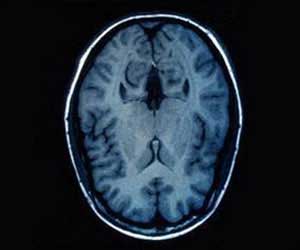
Scientists have developed a new cognitive test that can determine whether memory impairments are due to very mild Alzheimer's disease or the normal aging process.
Scientists have developed a new cognitive test that can determine whether memory impairments are due to very mild Alzheimer's disease or the normal aging process.
"We're still a fairly small group of scientists who say: aggregate proteins are not pathological - they are neither an accident nor a defect," says Barral. Rather, these proteins aggregate because it is their normal function. Diseases such as Parkinson's and Alzheimer's only arise when the system becomes imbalanced and too many prion-like proteins accumulate in the wrong place in the cells. Barral further added, "There are two aspects to aging. Yes, you die at the end of the process, and this is negative. But you die wise. And Alzheimer's is perhaps a bad end to a good thing."
Advertisement

Aging Process Influenced by Genes Inherited from Mother
Researchers in Sweden have found that our aging process may be partly influenced by the genes that we inherit from our mothers.
Researchers in Sweden have found that our aging process may be partly influenced by the genes that we inherit from our mothers.

Environmental Toxins may Accelerate Aging Process
A new study suggests that toxins present in the environment may be accelerating the aging process.
A new study suggests that toxins present in the environment may be accelerating the aging process.