MEDINDIA
 English
 हिन्दी
 Español
 français
 中文
中文
Leisure times are not always a time of enjoyment for people with autism.


Autism Causes, Symptoms, Diagnosis, Treatment, Prognosis
Autism is a neurodevelopmental disorder typically characterized by impaired social and communication skills combined with repetitive movements.
Autism is a neurodevelopmental disorder typically characterized by impaired social and communication skills combined with repetitive movements.
The researchers, who released their findings in the current issue of Research in Autism Spectrum Disorders, said that after completing the program, participants showed significant improvement at recognizing and labeling emotions. The participants scored about 24 percent higher than the control group in the ability to recognize emotions in a person in a picture. The score of the participants' ability to label those emotions correctly was 50 percent higher than the control group's score.
Since people with autism are less willing to interact socially, caregivers are particularly interested in programs that help improve social and communication skills, according to Dattilo, who worked with Domingo Garcia-Villamisar, professor, psychopathology, Complutense University of Madrid Spain.

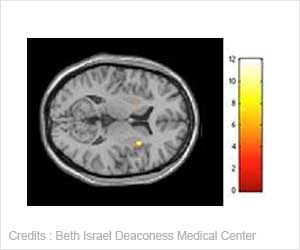
Measuring Brain Activity Identifies Autism?
A new research study seems to indicate that measuring brain activity in infancy would help in identifying the potential risk of autism.
A new research study seems to indicate that measuring brain activity in infancy would help in identifying the potential risk of autism.
The participants also improved their ability to carry out executive functions, such as setting goals and maintaining attention.
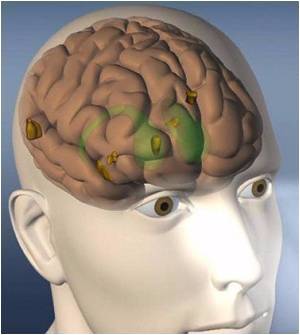
Study Finds Why Males Have a Higher Incidence of Autism Than Females
Male and female sex hormones regulate expression of an important gene in neuronal cell culture through a hitherto unknown mechanism, scientists say.
Male and female sex hormones regulate expression of an important gene in neuronal cell culture through a hitherto unknown mechanism, scientists say.
"While people are learning, you can also give them choices," said Dattilo. "And as they make those choices, they are also learning and are empowered to make even more choices."

Young Adults With Autism Get No Help
Rates of service usage among young adults with autism spectrum disorder during first few years after leaving high school was studied.
Rates of service usage among young adults with autism spectrum disorder during first few years after leaving high school was studied.
Source-Eurekalert
 Email
Email