MEDINDIA
 English
 हिन्दी
 Español
 français
 中文
中文
Those resolving cannabis problems do so at younger ages, with less assistance than those resolving other substance-use problems.
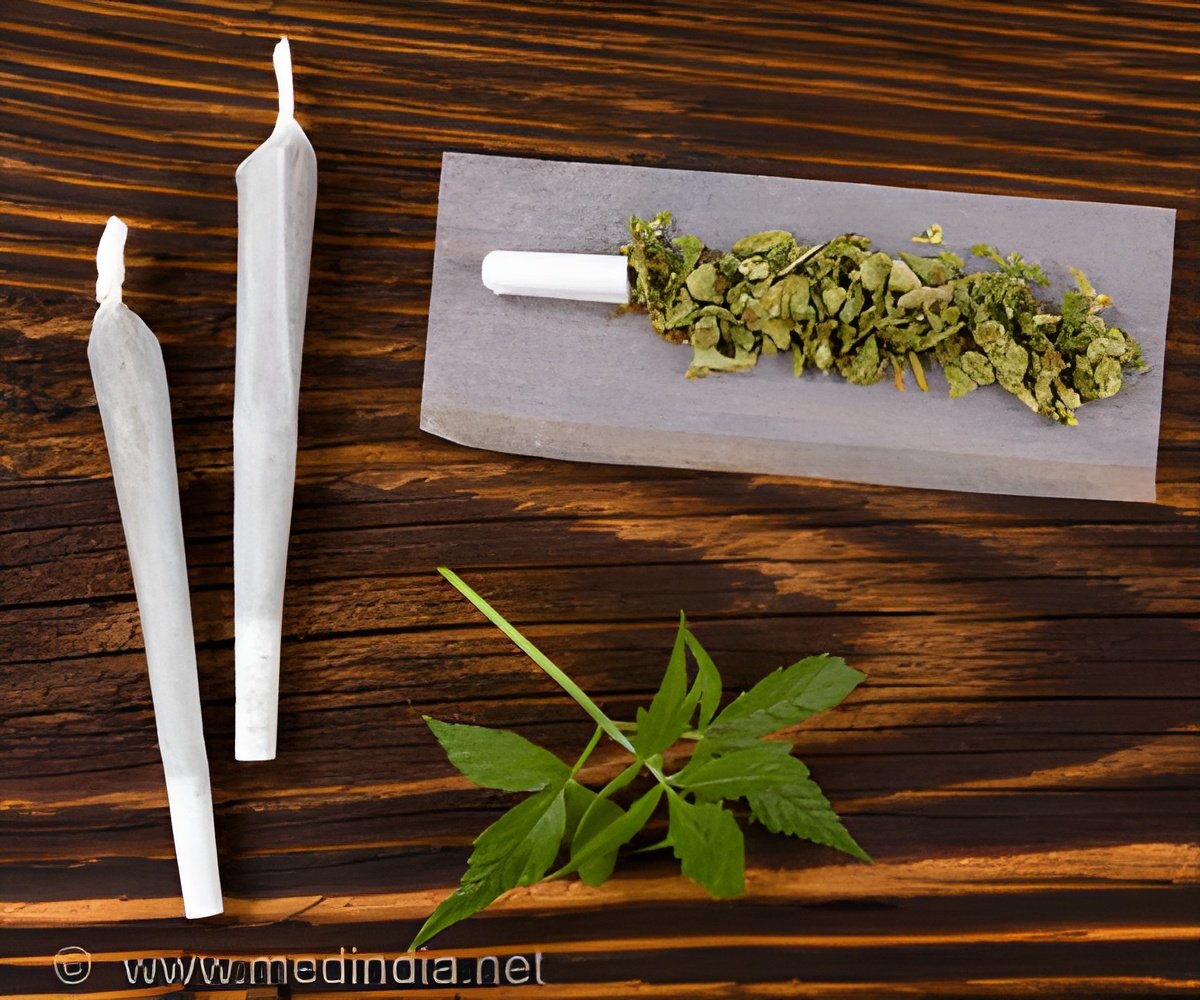
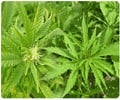
Cannabis
Cannabis has a long history of medicinal, recreational, and industrial use and comes from a bushy plant with thick sticky flowers called Cannabis Sativa
Cannabis has a long history of medicinal, recreational, and industrial use and comes from a bushy plant with thick sticky flowers called Cannabis Sativa
TOP INSIGHT

Compared with those resolving problems with alcohol or other drugs, those resolving cannabis problems reported resolving the problem at younger ages.
The current study analyzes data from the National Recovery Survey, conducted by Kelly's team. A nationally representative sample of nearly 40,000 U.S. adults who participate in the Knowledge Panel of the market research company GfK were asked "Did you used to have a problem with drugs or alcohol, but no longer do?" Of more than 25,000 respondents, a little over 2,000 indicated they had resolved such a problem and were sent a link to the full study survey, which asked a variety of questions such as the specific problem substances and details regarding how and when they had resolved their problem. As reported in a paper published in Drug and Alcohol Dependence, more than half of all respondents reported resolving their problem with no assistance.
The current study focused on participants who indicated having resolved a cannabis problem, who made up around 11 percent of respondents, reflecting around 2.4 million U.S. adults. Compared with those resolving problems with alcohol or other drugs, those resolving cannabis problems reported starting regular use - once a week or more - at younger ages but also resolving the problem at younger ages, an average of 29 compared with 38 for alcohol and 33 for other drugs.
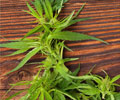
Marijuana - Types, Uses & Adverse effects
Marijuana (cannabis) is a drug obtained from the hemp plant and often abused for its psychoactive effects, though it has medicinal uses as well.
Marijuana (cannabis) is a drug obtained from the hemp plant and often abused for its psychoactive effects, though it has medicinal uses as well.
"We did expect that the cannabis-primary individuals would be less likely than the illicit drug group to use formal treatment; but very little is known about the magnitude or nature of such differences, " says Kelly. "That may be due to fewer physiological and other life consequences compared with the impairments caused by drugs like alcohol or opioids. For example, while there is a documented withdrawal syndrome related to cannabis dependence, withdrawal from opioids or alcohol is notoriously more severe and often requires medically-managed detoxification."

Side Effects of Medical Cannabis can Outweigh Its Benefits
Medical cannabis used to treat severe specific medical conditions like chronic nerve and cancer pain can have harmful side effects than benefits.
Medical cannabis used to treat severe specific medical conditions like chronic nerve and cancer pain can have harmful side effects than benefits.
The Spallin Associate Professor of Psychiatry in Addiction Medicine at Harvard Medical School, Kelly explains that brain changes caused by the higher THC content in marijuana today - 15 to 20 percent, versus 1 to 5 percent 10 or 20 years ago - could make it harder for individuals using this more potent cannabis to stop on their own. While inpatient treatment was considered first-line treatment for addiction two decades ago, it is much less common today, and insurance companies often require attendance at outpatient treatment first.

Medical Cannabis: Safer than Opioids for Elderly to Treat Chronic Pain
Cannabis therapy found to be safe for elderly patients to treat cancer symptoms, Parkinson's disease and other pain related issues rather than opioids.
Cannabis therapy found to be safe for elderly patients to treat cancer symptoms, Parkinson's disease and other pain related issues rather than opioids.
Source-Eurekalert
 Email
Email