MEDINDIA
 English
 हिन्दी
 Español
 français
 中文
中文
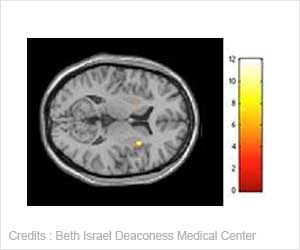
Disrupting protein complex mTORC1 led to metabolic changes that favored development of unconventional T cells at the expense of conventional T cells.

Autoimmune Disorders - Types - Symptoms - Signs - Diagnosis - Treatment
Autoimmune disorders occur when the immune system fails to recognize the body as ‘self’ and attacks it.
Autoimmune disorders occur when the immune system fails to recognize the body as ‘self’ and attacks it.
TOP INSIGHT

Protein complex mTORC1 acts in response to cues from in and around developing T cells and intersects with metabolic activity, to influence whether the cells become conventional or unconventional T cells.
T cells play a central role in the adaptive immune system, functioning like elite commando units trained to find and eliminate specific viruses and other threats. T cell development occurs in the thymus after immature (precursor) cells in the bone marrow travel there to mature and specialize. Their specialty is signaled partly by protein receptors on the cell surface known as T cell receptors (TCRs) or antigen receptors. T cells depend on the T cell receptors to recognize targets and respond to changing conditions.
In humans, the vast majority of T cell receptors have an alpha (α) protein chain and a beta (β) chain. These are conventional T cells that circulate widely and reside in the spleen and lymph nodes. A smaller number of T cells carry receptors made from a gamma (γ) and a delta (δ) protein chain. They belong to the family of unconventional T cells that are found in the gut, skin and other barrier tissues.

Test Your Knowledge on Fungal Infections
Fungal infections usually affect the skin causing an itchy rash, but can affect deeper tissues and cause more serious infections as well. There are several types of fungi that affect humans. Test your knowledge on fungal infections by taking this quiz.
Fungal infections usually affect the skin causing an itchy rash, but can affect deeper tissues and cause more serious infections as well. There are several types of fungi that affect humans. Test your knowledge on fungal infections by taking this quiz.
When investigators disabled mTORC1, metabolism was disrupted, which was associated with a reduction in the αβ T cells and an increase in γδ T cells. Deleting a key component of mTORC1, a protein called RAPTOR, disabled mTORC1 and altered the metabolic balance in developing T cells. The change reduced anabolic metabolism but increased levels of toxic molecules called reactive oxygen species (ROS) and upregulated activity along a molecular pathway that promotes cell growth.

Lifetime Risk Calculator for Cancers
What are your chances for developing some common cancers in your lifetime - find out now.
What are your chances for developing some common cancers in your lifetime - find out now.
"This research establishes mTORC1-driven metabolic signaling as a decisive factor in determining the fate of developing T cells and suggests metabolic processes are a fundamental mechanism that connects external signals with internal processes to guide the fate of immune cells," Chi said.
Dust Cells may Cause the Spread of Liver Cancer to the Lung
Spread of liver cancer to the lung can be caused by dust cells, also called ‘alveolar macrophages’ (AMs). Dust cells are responsible for the uptake of oxygen and excretion of carbon dioxide in the lung.
Spread of liver cancer to the lung can be caused by dust cells, also called ‘alveolar macrophages’ (AMs). Dust cells are responsible for the uptake of oxygen and excretion of carbon dioxide in the lung.
 Email
Email