MEDINDIA
 English
 हिन्दी
 Español
 français
 中文
中文
Prostate cancer is one of the most common forms of cancer to be diagnosed in men
Prostate cancer is one of the most common forms of cancer to be diagnosed in men. Several risk factors such as age, height, obesity, and genetic predisposition have been held responsible for the development of prostate cancer.
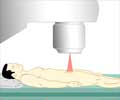
A recent research conducted has offered insights into the association between obesity and prostate cancer. Men who gain weight rapidly between the ages of 25 and 40 are twice as likely to have recurrence of prostate cancer after surgery as men without rapid rates of weight gain.Furthermore, patients who are obese at age 40 and at the time of time of diagnosis have a higher risk of recurrence. These patients are also more prone for biochemical failure, characterized by elevated PSA levels, following treatment. PSA, or prostate specific antigen, is a protein produced almost exclusively by the prostate. It is a screening marker, measured in blood, that when elevated to over four nanograms per milliliter is a signal for men and their clinicians to consider additional diagnostic tests. After removal of the prostate gland, however, the PSA level should be undetectable. Obese patients had elevated PSA levels much sooner after surgery – 12 months earlier – than their lighter counterparts.
The incorporation of body mass index at time of diagnosis with other measures of prostate cancer progression could enhance the predictive value of tools used to determine the risk each patient has for recurrence of prostate cancer.
Keeping this in mind, it would be beneficial if men only become more conscious about their weight and participate in weight reduction programs.
 Email
Email



![Prostate Specific Antigen [PSA]](https://www.medindia.net/images/common/patientinfo/120_100/prostate-specific-antigen.jpg "Prostate Specific Antigen [PSA]")