MEDINDIA
 English
 हिन्दी
 Español
 français
 中文
中文
The recommendations are based on studies that looked at the benefits and harms of different drug combinations for pregnant women with HIV.

About Pregnancy
Detailed look at Early pregnancy Symptoms and easy health solutions during 1st, 2nd and 3rd trimester of pregnancy. With an addition of an online pregnancy due date calculator.
Detailed look at Early pregnancy Symptoms and easy health solutions during 1st, 2nd and 3rd trimester of pregnancy. With an addition of an online pregnancy due date calculator.
TOP INSIGHT

The new recommendations on the antiretroviral drugs for pregnant women with HIV supports a shared decision making between pregnant women and their doctor.
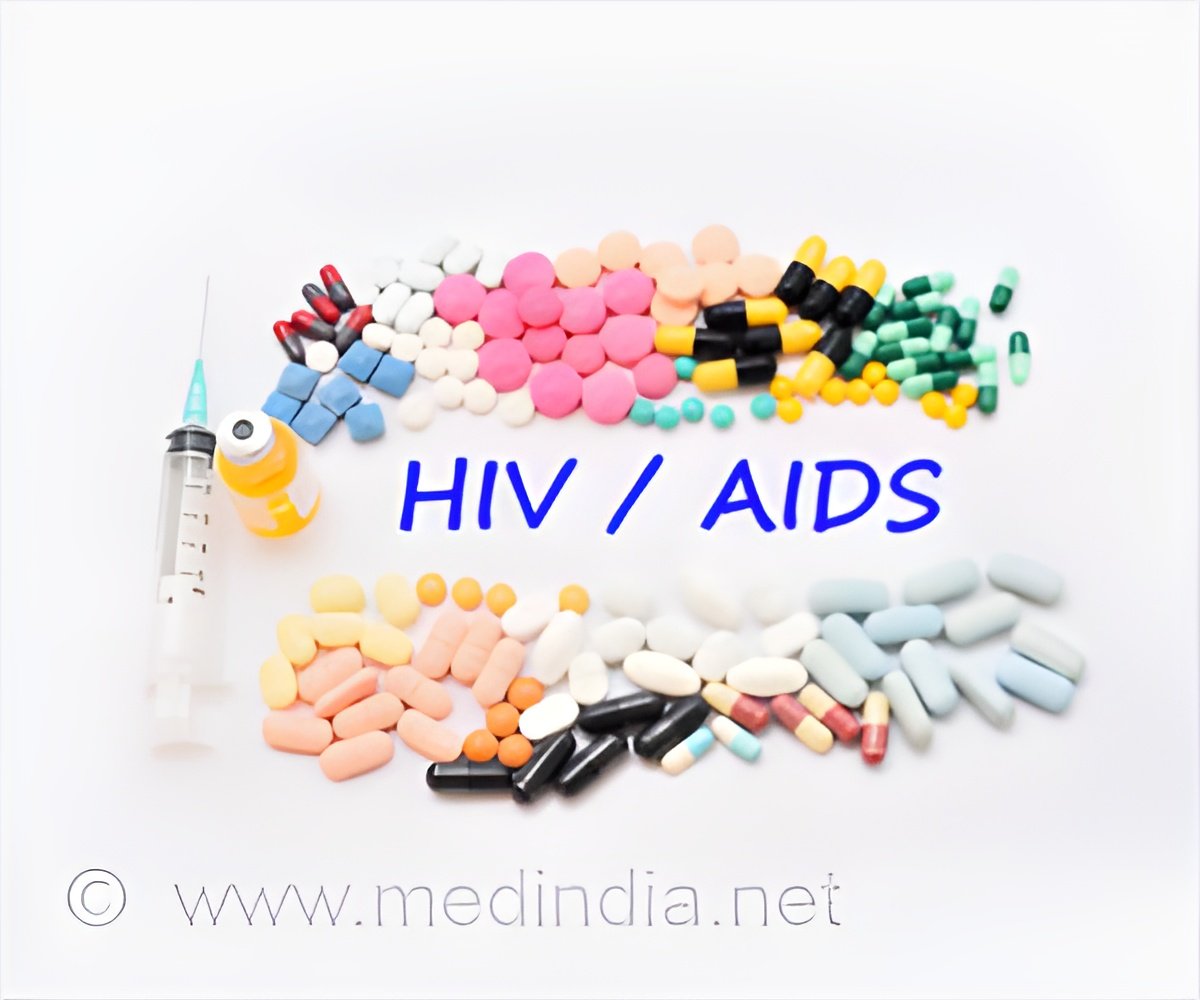
Every year about 1.4 million women living with HIV become pregnant. Most women take a combination of three antiretroviral drugs to reduce the risk of transmission to their child or for personal health reasons.
Recent trial evidence suggested that the most commonly used drug combinations might increase the risk of premature birth and neonatal death compared with other drug combinations. So an international panel - made up of women living with HIV, specialist doctors, and general practitioners - carried out a detailed analysis of the evidence to make recommendations.

Top Do�s and Don�ts of Traveling While Pregnant
Pregnancy and travel can be a safer bonding by following simple but proper precautions based on the modes of travel.
Pregnancy and travel can be a safer bonding by following simple but proper precautions based on the modes of travel.
Evidence from these reviews led the panel to recommend older alternatives instead of the most widely used drug combinations to help reduce the risk of premature birth and neonatal death - which almost all women said they were extremely keen to avoid.
AIDS and Pregnancy - Treatment - Caring HIV Babies
The Acquired immune deficiency syndrome is brought about by the deadly human immunodeficiency virus. In the USA alone an estimate of 120,000 - 160,000 women are HIV- infected.
The Acquired immune deficiency syndrome is brought about by the deadly human immunodeficiency virus. In the USA alone an estimate of 120,000 - 160,000 women are HIV- infected.
They also point out that their recommendations, like all BMJ Rapid Recommendations, take a patient centred perspective. Whereas guidelines that take a public health perspective, such as the WHO guideline, need to consider resource use and might make different recommendations based on the same evidence.
AIDS/HIV - Clinical Features Treatment FAQ Prevention & Transmission
"AIDS is an epidemic disease, a potentially preventable, deadly infection for which there is no cure, no vaccine, and it is not under control." - National Commission on AIDS, 1993.
"AIDS is an epidemic disease, a potentially preventable, deadly infection for which there is no cure, no vaccine, and it is not under control." - National Commission on AIDS, 1993.
They call for further research to inform treatment options, as well as efforts to overcome operational challenges "so that availability of the right choice of combination antiretroviral therapy is aligned with the best available evidence for almost all pregnant women living with HIV."
In a linked opinion piece, Alice Welbourn, a researcher, trainer, writer and activist on gender and sexual and reproductive health and rights, says women's fundamental rights to informed choices about what happens to their bodies are often curiously contested; especially if they are pregnant or have HIV. Yet, informed choices about risks and benefits form a critical part of long-term prognosis.
As Founding Director of the Salamander Trust, and a woman living with HIV, she welcomes the positive response by the new WHO director-general to support more people-centred policy developments.
She urges WHO to "ensure women's rights to informed, voluntary, and confidential choice about if, when, and how to start treatment safely, which treatment to consider, and how long to take it."
Source-Eurekalert
 Email
Email