MEDINDIA
 English
 हिन्दी
 Español
 français
 中文
中文
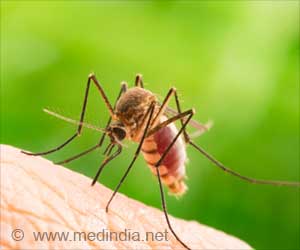
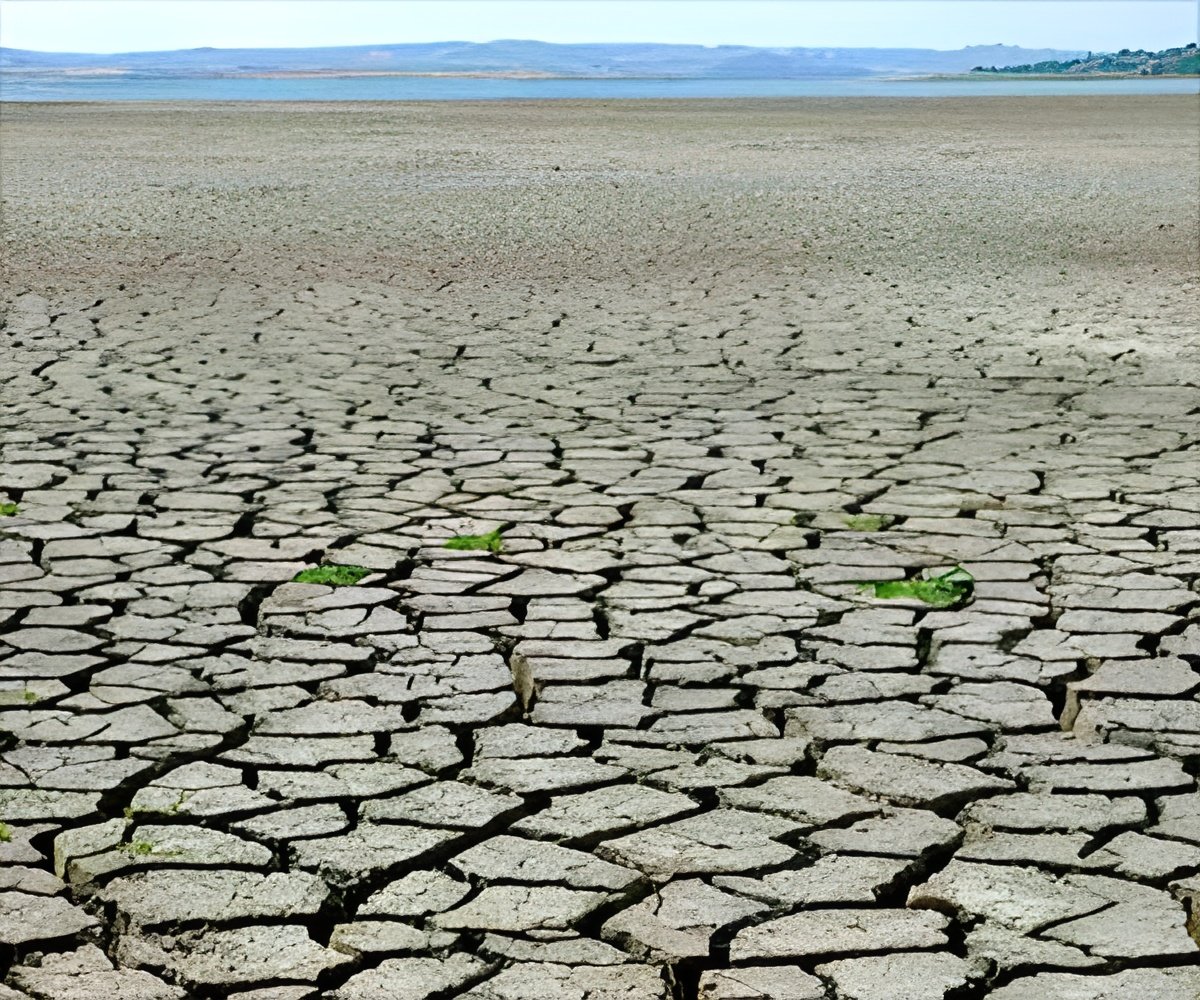
New climate model that can predict dengue outbreaks in the Caribbean region has been developed by a research team at the Barcelona Institute for Global Health (ISGLOBAL) who finds that the risk of outbreaks is highest after a period of drought followed by intense rainfall several months later.
Dengue and Dengue Fever - Symptoms, Causes, Diagnosis, Treatment & Prevention
Dengue is a tropical disease caused by mosquitoes carrying the dengue virus. Symptoms include fever, joint & muscle ache, fatigue, nausea and skin rash.
Dengue is a tropical disease caused by mosquitoes carrying the dengue virus. Symptoms include fever, joint & muscle ache, fatigue, nausea and skin rash.
TOP INSIGHT

A new climate model that can predict dengue outbreaks by predicting climate has been developed.
The results show that the tool successfully predicted the months with dengue outbreaks. In particular, the optimal conditions for outbreaks were drought periods followed by a combination of hot conditions and intense rainfall 4 to 5 months after.
Rachel Lowe, lead author and researcher at ISGlobal and the London School of Hygiene & Tropical Medicine, explains: "this is the first statistical model that considers the combined impact of drought and rainfall in disease risk. This is important because climate change is leading to more intense and frequent droughts and hurricanes in the region," she adds.
Dengue and Dengue Hemorrhagic Fever
Encyclopedia section of medindia gives general information about Dengue and Dengue Hemorrhagic Fever
Encyclopedia section of medindia gives general information about Dengue and Dengue Hemorrhagic Fever
The complete study is published in PLOS Medicine.

Dengue Vaccine - Types, Symptoms, Treatment & Prevention
Several dengue vaccines are under development. Dengvaxia, Sanofi’s live-attenuated tetravalent dengue vaccine is already commercially available in 10 dengue endemic countries.
Several dengue vaccines are under development. Dengvaxia, Sanofi’s live-attenuated tetravalent dengue vaccine is already commercially available in 10 dengue endemic countries.
Top 15 Do�s and Don�ts for Preventing and Managing Dengue Fever
Dengue can be easily prevented and managed if you follow proper precautionary measures. Here we give you the most important dos and don’ts for dengue fever.
Dengue can be easily prevented and managed if you follow proper precautionary measures. Here we give you the most important dos and don’ts for dengue fever.
 Email
Email